 Pocket Botanist

Check these first
- Feel the soil moisture 3 inches deep near the root zone.
- Observe if water pools around the trunk after a rainstorm.
- Inspect the base of the trunk for soft or discolored bark.
Likely causes
Poor soil drainage
Most likelyHow to tell: The soil stays soggy for days after rain and the tree looks stunted or yellowing. You might notice a sour smell coming from the dirt near the trunk.
What to do: Improve the drainage by amending the soil with organic matter or creating a slight mound to divert water. Avoid watering during heavy rain periods. Ensure the tree is not sitting in a low spot where water collects.
Overwatering
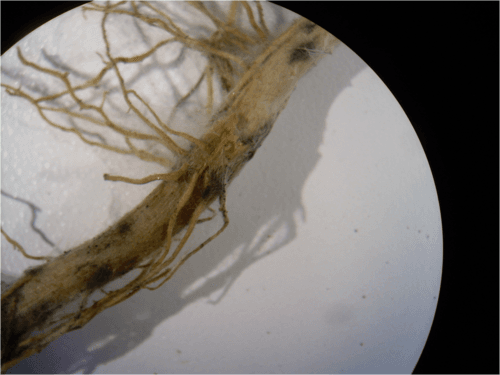
PossibleHow to tell: The leaves may wilt or drop prematurely even though the ground feels wet. The roots will appear mushy or dark instead of firm and light colored.
What to do: Stop all supplemental watering immediately to let the soil dry out. Only water every 7 to 14 days during dry spells. Check the top 3 inches of soil before adding more water.
Find out what's wrong with your field elm
The list above covers the usual causes. Pocket Botanist looks at a photo of your actual plant and tells you the likely cause, how serious it is, and what to try first. Identification and a health check are free.



Scan with your phone's camera to get the app
Or go to pocketbotanist.app/get on your phone
When to worry
If the tree shows significant branch dieback or the leaves are turning brown and brittle, the damage may be too far gone. It is normal for a tree to show some stress during an unusually wet season.
Stopping it coming back
Plant your elm in well draining soil and avoid overwatering during the cooler months. Always ensure the root flare is visible above the soil line.
Field elm: root rot? Check yours with a photo
Every plant is a little different. Take a photo of your field elm and Pocket Botanist tells you which cause is most likely, how serious it is, and what to try first. A few checks a day are free. Save the plant and you get care reminders timed for it.
Scan with your phone's camera to get the app
Or go to pocketbotanist.app/get on your phone
Get the app · Or check it from a photo now, free
Questions people ask
- Can I save a tree with root rot?
- If you catch it early, you can improve drainage and reduce watering to help the roots recover. If the rot has spread to the main trunk, the tree may not be salvageable.
- How often should I water my field elm?
- Water deeply every 7 to 14 days during dry spells. This encourages deep root growth and prevents surface moisture issues.
More problems with Field elm
This article was generated with AI on from the plant’s care profile and is general information, not horticultural advice. Read about how we build these guides.