 Pocket Botanist
Plant guide
Field elm.
Ulmus minor
Pronounced UL-mus MY-nor
Also known as Common Elm, English cork elm, English elm, European Field Elm, Field Elm, Lock Elm, Plot's Elm



Scan with your phone's camera to get the app
Or go to pocketbotanist.app/get on your phone
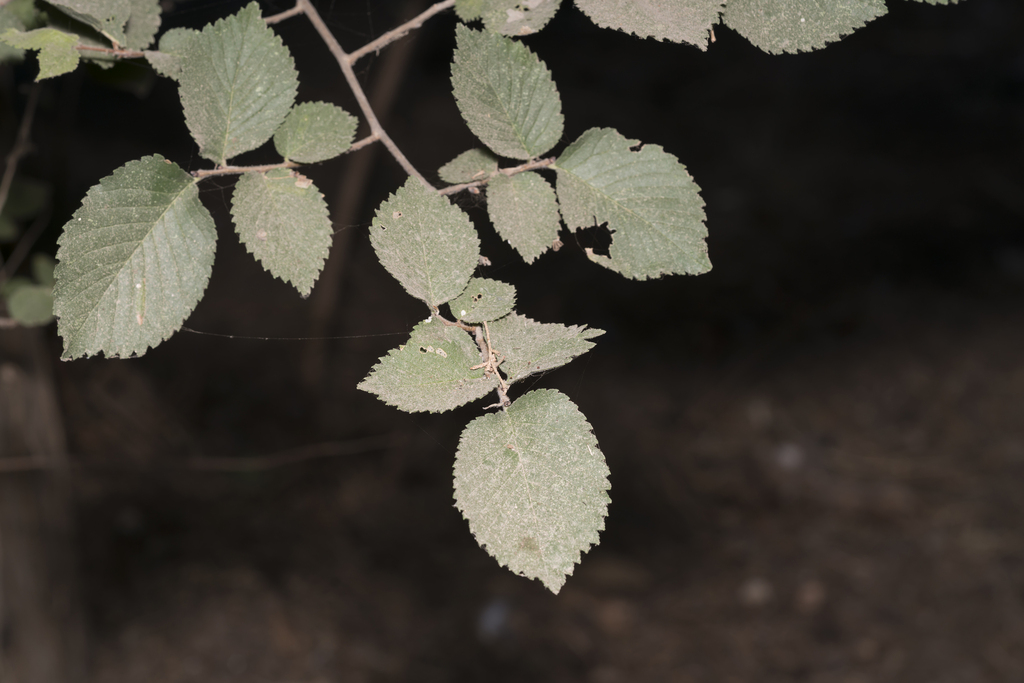
The field elm is a sturdy, deciduous tree that has historically been a staple in European landscapes. It is known for its ability to sprout from suckers and its resilience in various soil conditions. You will find it often forms dense thickets if left to its own devices.
At a glance
- Care level
- Moderate
- Plant type
- Deciduous tree
- Light
- Full sun to partial shade
- Indoor light
- Direct sun
- Water
- Every 7 to 14 days
- Mature size
- 15 to 30 meters
- Growth rate
- Medium
- Hardiness
- USDA 5 to 9
- Bloom time
- Early spring
Care
Plant this tree in a spot with plenty of room for its roots to spread. Keep an eye out for signs of Dutch elm disease, which is a serious threat to this species. Regular monitoring of the canopy helps catch issues early.
- Watering
- Water deeply during dry spells to help the tree establish a strong root system.
- Feeding
- Apply a balanced slow-release fertilizer in early spring to support seasonal growth.
- Pruning
- Prune during the dormant winter months to remove dead or crossing branches.
- Repotting
- Young trees in containers need larger pots every few years as they grow.
- Soil
- Deep, fertile, well-draining soil
- Soil pH
- 6.0 to 7.5
- Temperature
- -25 to 35°C
- Humidity
- 40 to 70%
- Drought tolerance
- Moderate
- Lifespan
- Perennial, can live for over 100 years.
- Deer and rabbits
- Moderate
Signs it needs repotting
- Roots growing out of drainage holes.
- Water running straight through the pot.
Safety
- People
- The plant is not considered toxic to humans.
- Children
- There are no specific safety concerns for children, though climbing large trees should always be supervised.
- Contact allergens
- The rough texture of the leaves can cause minor skin irritation in sensitive individuals.
- Airborne allergens
- The windborne pollen is a common seasonal allergen for many people.
- Edibility
- The seeds are edible but generally considered too small for practical human consumption.
How to identify it
- Small, oval, serrated green leaves
- Rough and textured leaf surface
- Asymmetrical leaf base shape
- Deeply fissured, corky grey bark
- Produces winged seeds called samaras
- Height
- 15 to 30m
- Spread
- 10 to 20m
- Leaves
- green, yellow, deciduous
- Flowers
- green, red, 0.5 to 1cm
- Fruit
- green, brown, late spring
Problems to watch for
- Dutch elm disease · A fungal infection spread by bark beetles that causes wilting and death.
Check your field elm from a photo
Pocket Botanist looks at a photo of your plant and tells you what's wrong and what to try first.
Scan with your phone's camera to get the app
Or go to pocketbotanist.app/get on your phone
Growing it
- Propagation
- seed, cuttings, suckers
- When to plant
- spring, autumn
- Overwintering
- No special winter care is needed as it is fully hardy in its native range.
- In containers
- Not suitable for long term container growth due to its massive size.
Suckers
- 1. Locate a healthy sucker away from the parent tree.
- 2. Carefully dig around the root to expose the connection.
- 3. Sever the root with a sharp spade.
- 4. Replant immediately in moist soil.
Plant in areas where its suckering habit can be managed or used to create a natural screen.
Grows well with
- English Ivy · They often grow together in woodland settings, though ivy should be managed to prevent it from smothering the tree.
Similar species
- Wych Elm · It has larger leaves and is generally more cold tolerant.
Science
- Family
- Ulmaceae
- Genus
- Ulmus
- Order
- Rosales
- Class
- Magnoliopsida
- Native range
- Europe, Western Asia, and North Africa.
- Conservation
- It is not currently listed as endangered, but populations are threatened by Dutch elm disease.
It thrives in riparian zones and woodlands where it can spread through its extensive root system.
- Value to wildlife
- larval host plant, nesting site
- Pollinators
- bees, butterflies
- Uses
- shade tree, hedgerow plant, wildlife habitat
Through the year
Ecological indicators
- Salinity
- 2/9
- Soil reaction
- 6/9
- Light
- 6/9
- Temperature
- 5/9
- Moisture
- 6/9
- Nutrients
- 6/9
Taxonomy resolved against GBIF.
Questions people ask
- Is it susceptible to Dutch elm disease?
- Yes, it is highly susceptible, which has decimated many mature populations.
- How fast does it grow?
- It is a moderately fast grower under favorable conditions.
Where the name comes from
The name Ulmus is the ancient Latin name for the elm tree, while minor refers to its relatively small leaves compared to other species.
Good to know
- It was historically used to make coffins in parts of England.
- The wood is very resistant to rot when kept constantly wet.
- It has been used for centuries in traditional hedgerow management.
Keep your field elm growing
This page is a general guide. Save your plant in Pocket Botanist and you get care reminders timed for this plant, plus a care history that shows what worked.
Scan with your phone's camera to get the app
Or go to pocketbotanist.app/get on your phone
This guide was generated with AI on and checked against GBIF taxonomy. It is general information, not horticultural or veterinary advice. Read about how we build these guides.