 Pocket Botanist
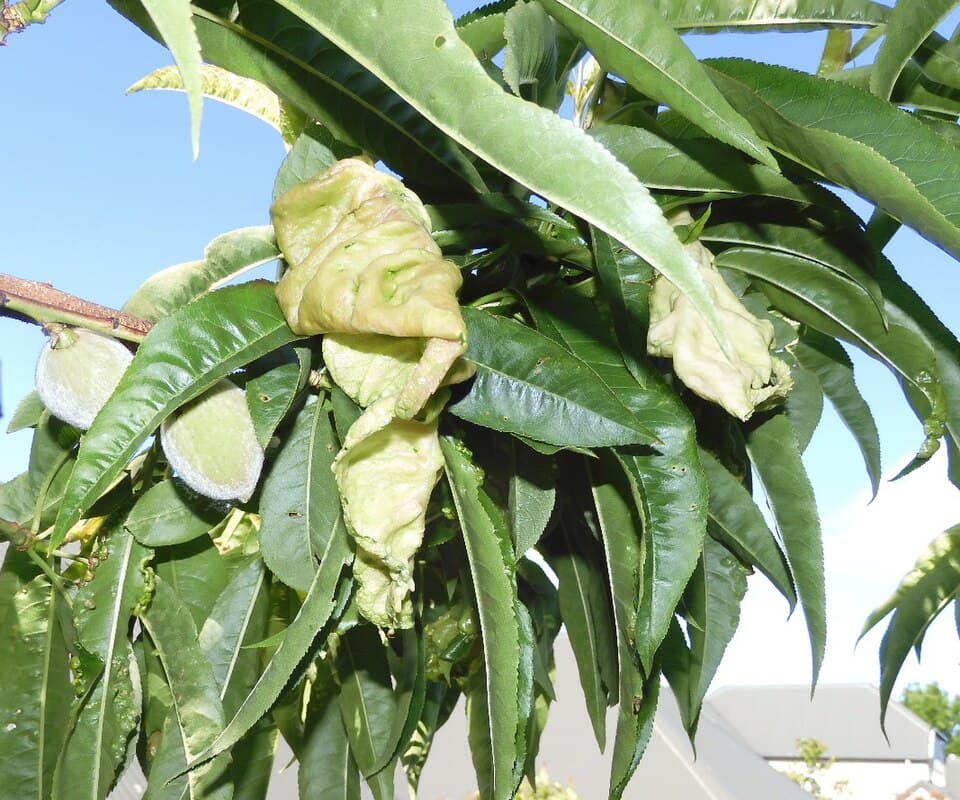

Check these first
- Examine the undersides of the curled leaves for tiny insects.
- Check if the leaves uncurl once the sun goes down.
- Look for sticky residue on the leaves or branches.
Likely causes
Aphids
Most likelyHow to tell: You will see tiny green or black insects on the undersides of the leaves. The leaves may also look sticky from the honeydew the pests leave behind.
What to do: Spray the leaves with a strong stream of water to knock the aphids off. If the infestation is heavy, apply insecticidal soap according to the label instructions. Repeat the treatment every 5 to 7 days until they are gone.
Heat stress
PossibleHow to tell: The leaves curl inward during the hottest part of the day to conserve moisture. They usually look normal again in the early morning or evening.
What to do: Provide a deep watering to ensure the roots are hydrated. Apply a 2 to 3 inch layer of mulch around the base to keep the soil cool. Avoid pruning during extreme heat waves.
Find out what's wrong with your field elm
The list above covers the usual causes. Pocket Botanist looks at a photo of your actual plant and tells you the likely cause, how serious it is, and what to try first. Identification and a health check are free.



Scan with your phone's camera to get the app
Or go to pocketbotanist.app/get on your phone
When to worry
If the leaves remain curled and start to turn brown or drop, the tree is under severe stress. It is normal for leaves to curl slightly during the peak of a hot summer afternoon.
Stopping it coming back
Keep the tree healthy with consistent deep watering and monitor for pests early in the spring. A healthy tree is much better at resisting minor pest issues.
Field elm: curling leaves? Check yours with a photo
Every plant is a little different. Take a photo of your field elm and Pocket Botanist tells you which cause is most likely, how serious it is, and what to try first. A few checks a day are free. Save the plant and you get care reminders timed for it.
Scan with your phone's camera to get the app
Or go to pocketbotanist.app/get on your phone
Get the app · Or check it from a photo now, free
Questions people ask
- Are curled leaves a sign of Dutch elm disease?
- Dutch elm disease typically causes wilting and yellowing rather than just curling. If you see sudden wilting of branches, contact a professional arborist immediately.
- Should I prune the curled leaves off?
- It is better to leave them unless they are infested with pests. The tree needs its leaves to produce energy, even if they are slightly curled.
Guides to these causes
More problems with Field elm
This article was generated with AI on from the plant’s care profile and is general information, not horticultural advice. Read about how we build these guides.