 Pocket Botanist
Plant guide
Dandelion.
Taraxacum officinale
Pronounced tuh-RAK-suh-kum oh-fiss-ih-NAH-lee
Also known as Blowball, Common Dandelion, Common Dandelion, Blow Ball, Faceclock, Dandelion, Eurasian dandelion, Faceclock, Lion's Tooth


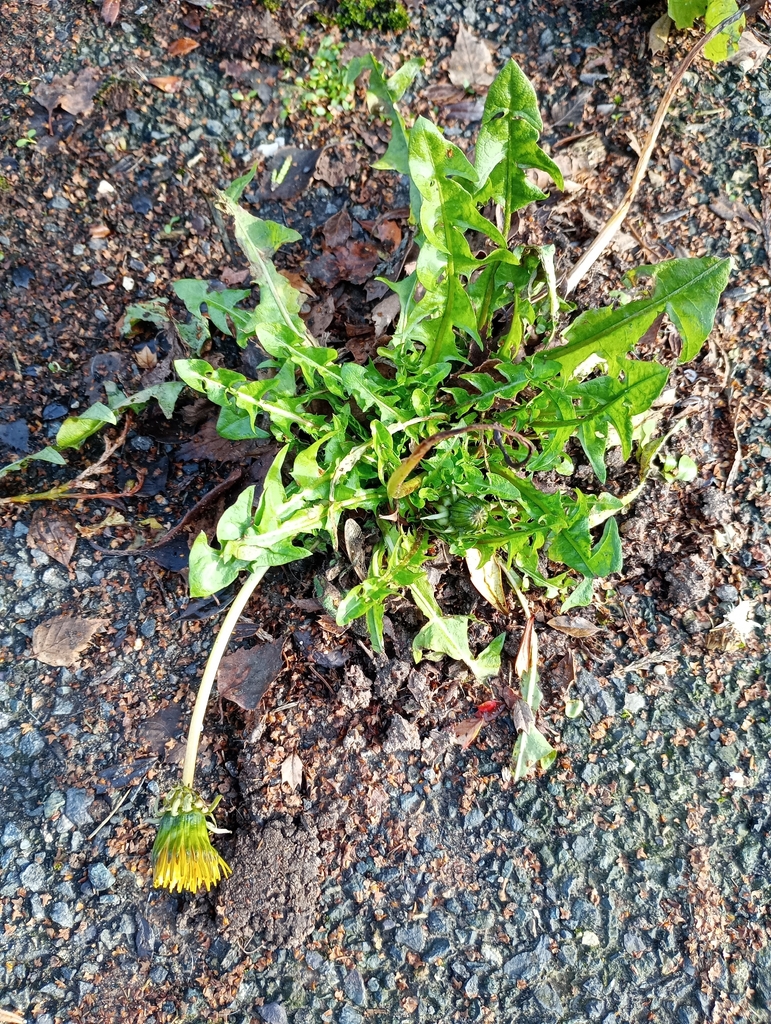
The common dandelion is a familiar sight in lawns and fields worldwide. It is a hardy perennial that produces bright yellow flowers followed by iconic white seed heads. While often considered a weed, it is actually a nutritious and edible plant.

At a glance
- Care level
- Easy
- Plant type
- Herbaceous perennial
- Light
- Full sun
- Indoor light
- Direct sun
- Water
- Every 3 to 7 days
- Mature size
- 30 to 40 cm
- Growth rate
- Fast
- Hardiness
- USDA 3 to 9
- Bloom time
- Early spring to late autumn
Care
Dandelions thrive in almost any soil condition with full sun exposure. Keep an eye out for rapid seed dispersal if you want to limit their spread in your garden. They are incredibly resilient and require very little maintenance.
- Watering
- Water when the top inch of soil feels dry to the touch.
- Feeding
- Dandelions rarely require fertilizer as they are efficient at extracting nutrients from the soil.
- Pruning
- Remove spent flower heads before they turn to seed to prevent unwanted spread.
- Repotting
- Repot only if growing in a container, as they have deep taproots.
- Soil
- Well-draining, versatile
- Soil pH
- 6.0 to 7.0
- Temperature
- -30 to 35°C
- Humidity
- 30 to 80%
- Drought tolerance
- High
- Lifespan
- Perennial, typically 3 to 5 years
- Deer and rabbits
- Moderate
Signs it needs repotting
- Roots circling the bottom of the pot
- Growth stalling despite regular care
Safety
- People
- The plant is generally considered non-toxic, though the milky sap can cause mild skin irritation in sensitive individuals.
- Children
- The milky sap can cause mild skin irritation if handled, and the seeds are a choking hazard if inhaled.
- Contact allergens
- The milky latex sap may cause contact dermatitis in sensitive people.
- Airborne allergens
- Pollen can be a significant allergen for those sensitive to Asteraceae family plants.
- Edibility
- Ensure plants are harvested from areas free of pesticides, herbicides, or heavy traffic pollution.
How to identify it
- Deeply toothed basal leaves
- Hollow, milky sap filled stems
- Bright yellow composite flower heads
- White fluffy spherical seed heads
- Height
- 0.05 to 0.4m
- Spread
- 0.1 to 0.3m
- Leaves
- green, deciduous
- Flowers
- yellow, 2 to 5cm
- Fruit
- white, Late spring to summer
Problems to watch for
- AphidsCommon
- BoltingCommon
- Powdery MildewCommon
- Leaf SpotUncommon
- RustUncommon
- Slugs and SnailsUncommon
By symptom
Check your dandelion from a photo
Pocket Botanist looks at a photo of your plant and tells you what's wrong and what to try first.
Growing it
- Propagation
- seed, division
- When to plant
- spring, autumn
- Overwintering
- The plant goes dormant in winter, with the taproot remaining alive underground to sprout again in spring.
- In containers
- They grow well in containers, though a deep pot is necessary to accommodate the long taproot.
Seed Sowing
- 1. Collect mature seed heads when they turn white and fluffy.
- 2. Scatter seeds directly onto prepared soil in spring or autumn.
- 3. Lightly press into the soil without burying them deep.
- 4. Keep the area moist until germination occurs.
Plant dandelions near fruit crops to encourage early season pollinator activity.
Grows well with
- Strawberry — Dandelions can help attract pollinators to the strawberry patch.
- Yarrow — Both plants thrive in similar conditions and support beneficial insects.
Similar species
- Catsear — Often confused due to similar yellow flowers but has branched stems.
Science
- Family
- Asteraceae
- Genus
- Taraxacum
- Order
- Asterales
- Class
- Magnoliopsida
- Native range
- Eurasia
- Conservation
- Not of conservation concern as it is a widespread and often invasive species.
It thrives in disturbed soils and open spaces, using its deep taproot to survive drought and competition.
- Value to wildlife
- early season nectar source, pollen source
- Pollinators
- bees, butterflies, beetles
- Uses
- culinary greens, medicinal tea, pollinator support
Through the year
Ecological indicators
- Temperature
- 5/9
- Moisture
- 5/9
- Nutrients
- 6/9
- Salinity
- 3/9
- Light
- 7/9
- Soil reaction
- 5/9
Taxonomy resolved against GBIF.
Questions people ask
- Are dandelions weeds?
- They are often considered weeds in lawns, but they are valuable medicinal and culinary herbs.
- Can I eat the leaves?
- Yes, young leaves are best as they are less bitter than older foliage.
Where the name comes from
The scientific name Taraxacum comes from the Arabic word for a bitter herb, while officinale denotes its historical use in medicine.
Good to know
- Dandelion flowers track the sun, opening in the morning and closing at night.
- Every part of the plant is edible, from the roots to the flowers.
- The plant is a prolific seed producer, with one head capable of yielding hundreds of seeds.
- Dandelions have a deep taproot that helps bring nutrients to the soil surface.
Keep your dandelion growing
This page is a general guide. Save your plant in Pocket Botanist and you get care reminders timed for this plant, plus a care history that shows what worked.
This guide was generated with AI and checked against GBIF taxonomy. It is general information, not horticultural or veterinary advice. Read about how we build these guides.