 Pocket Botanist
Guía de plantas
Diente de león.
Taraxacum officinale
Pronunciación tuh-RAK-suh-kum oh-fiss-ih-NAH-lee
También se conoce como Blowball, Diente de león común, Diente de león común, bola de soplo, reloj de cara, Diente de león, Diente de león de Eurasia, Reloj de cara, Diente de león


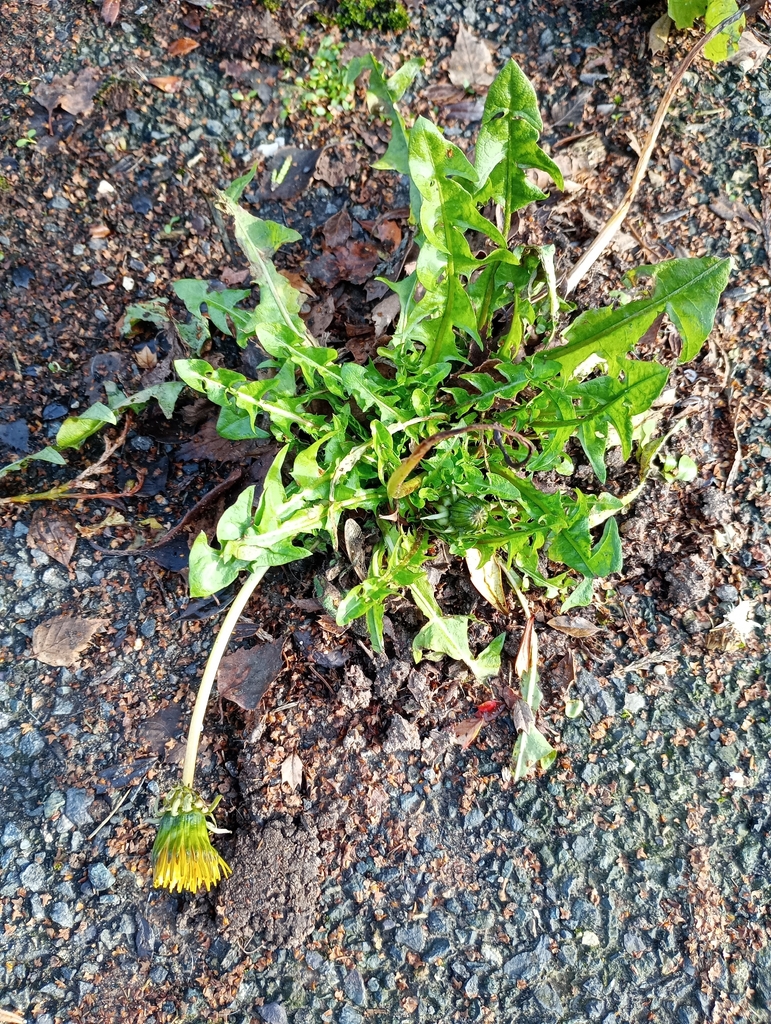
El diente de león común es una vista familiar en céspedes y campos de todo el mundo. Es una planta perenne resistente que produce flores amarillas brillantes seguidas de icónicas cabezas de semillas blancas. Aunque a menudo se considera una mala hierba, en realidad es una planta nutritiva y comestible.

De un vistazo
- Nivel de cuidados
- Fácil
- Tipo de planta
- Perenne herbácea
- Luz
- Sol completo
- Luz en interior
- Sol directo
- Riego
- Cada 3 a 7 días
- Tamaño adulto
- 30 a 40 cm
- Ritmo de crecimiento
- Rápido
- Rusticidad
- USDA 3 a 9
- Floración
- Principios de primavera hasta finales de otoño
Cuidados
Los dientes de león prosperan en casi cualquier condición de suelo con exposición total al sol. Ten cuidado con la rápida dispersión de semillas si quieres limitar su propagación en tu jardín. Son increíblemente resistentes y requieren muy poco mantenimiento.
- Riego
- Riega cuando la pulgada superior de la tierra se sienta seca al tacto.
- Abonado
- Los dientes de león rara vez requieren fertilizante, ya que son eficientes para extraer nutrientes del suelo.
- Poda
- Retira las cabezas de las flores marchitas antes de que se conviertan en semillas para evitar su propagación no deseada.
- Trasplante
- Trasplanta solo si creces en una maceta, ya que tienen raíces pivotantes profundas.
- Suelo
- Bien drenado, versátil
- pH del suelo
- 6.0 a 7.0
- Temperatura
- -30 a 35°C
- Humedad
- 30 a 80%
- Tolerancia a la sequía
- Alta
- Longevidad
- Perenne, típicamente de 3 a 5 años.
- Resistencia a ciervos y conejos
- Moderada
Señales de que necesita trasplante
- Raíces creciendo fuera de los agujeros de drenaje.
- La planta deja de crecer a pesar del cuidado regular.
Seguridad
- Personas
- La planta generalmente se considera no tóxica para los humanos.
- Niños
- La savia lechosa puede ser pegajosa y potencialmente irritante si entra en los ojos o la boca de un niño.
- Alérgenos por contacto
- La savia lechosa que se encuentra en los tallos puede causar irritación de la piel o dermatitis de contacto en personas sensibles.
- Alérgenos en el aire
- El polen puede desencadenar síntomas de fiebre del heno en algunas personas durante la temporada de floración.
- Comestibilidad
- Si bien las hojas y las flores son comestibles, evite cosechar de áreas tratadas con pesticidas o herbicidas.
Cómo identificarla
- Hojas basales profundamente dentadas
- Tallos huecos y llenos de savia lechosa
- Cabezas de flores compuestas de color amarillo brillante
- Cabezas de semillas esféricas y esponjosas blancas
- Altura
- 0,05 a 0,4m
- Anchura
- 0,1 a 0,3m
- Hojas
- verde, caducifolio
- Flores
- amarillo, 2 a 5cm
- Frutos
- white, Late spring to summer
Problemas a vigilar
- OídioComún
- PulgonesComún
- Subida a florComún
- Babosas y caracolesPoco común
- Manchas foliaresPoco común
- RoyaPoco común
Por síntoma
Revisa tu diente de león con una foto
Pocket Botanist mira una foto de tu planta y te dice qué le pasa y qué probar primero.
Cómo cultivarla
- Propagación
- semilla, división
- Cuándo plantar
- primavera, otoño
- Cuidados en invierno
- La planta entra en dormancia en invierno, y la raíz pivotante permanece viva bajo tierra para volver a brotar en primavera.
- En maceta
- Crecen bien en macetas, pero usa un contenedor profundo para acomodar su larga raíz pivotante.
Dispersión de semillas
- Recoge las cabezas de semillas esponjosas una vez que se pongan blancas.
- Esparce las semillas directamente sobre suelo desnudo en otoño o primavera.
- Presiónalas ligeramente en el suelo para asegurar un buen contacto.
Los dientes de león a menudo es mejor dejarlos crecer en áreas más silvestres del jardín para evitar la competencia con plantas ornamentales más delicadas.
Buenas compañeras
Especies parecidas
- catsear — Se ve muy similar pero tiene tallos ramificados y hojas peludas.
Ciencia
- Familia
- Asteraceae
- Género
- Taraxacum
- Orden
- Asterales
- Clase
- Magnoliopsida
- Distribución natural
- Nativa de Eurasia pero ahora naturalizada en todo el mundo.
- Conservación
- Esta planta se considera una maleza común y no es motivo de preocupación para la conservación.
Prospera en suelos alterados y áreas abiertas utilizando su profunda raíz pivotante para acceder al agua y los nutrientes.
- Valor para la fauna
- fuente de néctar a principios de temporada, fuente de polen
- Polinizadores
- abejas, mariposas, escarabajos
- Usos
- verdes culinarios, vino de flores, soporte para polinizadores
A lo largo del año
Indicadores ecológicos
- Temperatura
- 5/9
- Humedad
- 5/9
- Nutrientes
- 6/9
- Salinidad
- 3/9
- Luz
- 7/9
- Reacción del suelo
- 5/9
Taxonomía cotejada con GBIF.
Lo que más preguntan
- ¿Son buenos los dientes de león para el césped?
- Ayudan a airear el suelo con sus profundas raíces pivotantes y proporcionan alimento temprano para los polinizadores.
- ¿Cómo me deshago de ellos?
- Debes quitar toda la raíz pivotante para evitar que vuelvan a crecer.
De dónde viene el nombre
El nombre Taraxacum proviene de la palabra árabe para una hierba amarga, mientras que officinale se refiere a su uso histórico en las farmacias.
Bueno saberlo
- Cada parte del diente de león es comestible.
- El nombre proviene del francés 'dent de lion', que significa diente de león.
- Los dientes de león siguen el sol a lo largo del día.
- Una vez fueron muy valorados por sus propiedades medicinales.
Que tu diente de león siga creciendo
Esta página es una guía general. Guarda tu planta en Pocket Botanist y tendrás recordatorios de cuidado pensados para esta planta, además de un historial de cuidados que muestra qué ha funcionado.
Esta guía se ha generado con IA y se ha cotejado con la taxonomía de GBIF. Es información general, no asesoramiento botánico ni veterinario. Descubre cómo elaboramos estas guías.