 Pocket Botanist
Guide botanique
Pissenlit.
Taraxacum officinale
Prononciation tuh-RAK-suh-kum oh-fiss-ih-NAH-lee
Aussi appelée Blowball, Pissenlit commun, Pissenlit, Boule de neige, Horloge faciale, Pissenlit, Pissenlit eurasien, Horloge faciale, Dent-de-lion


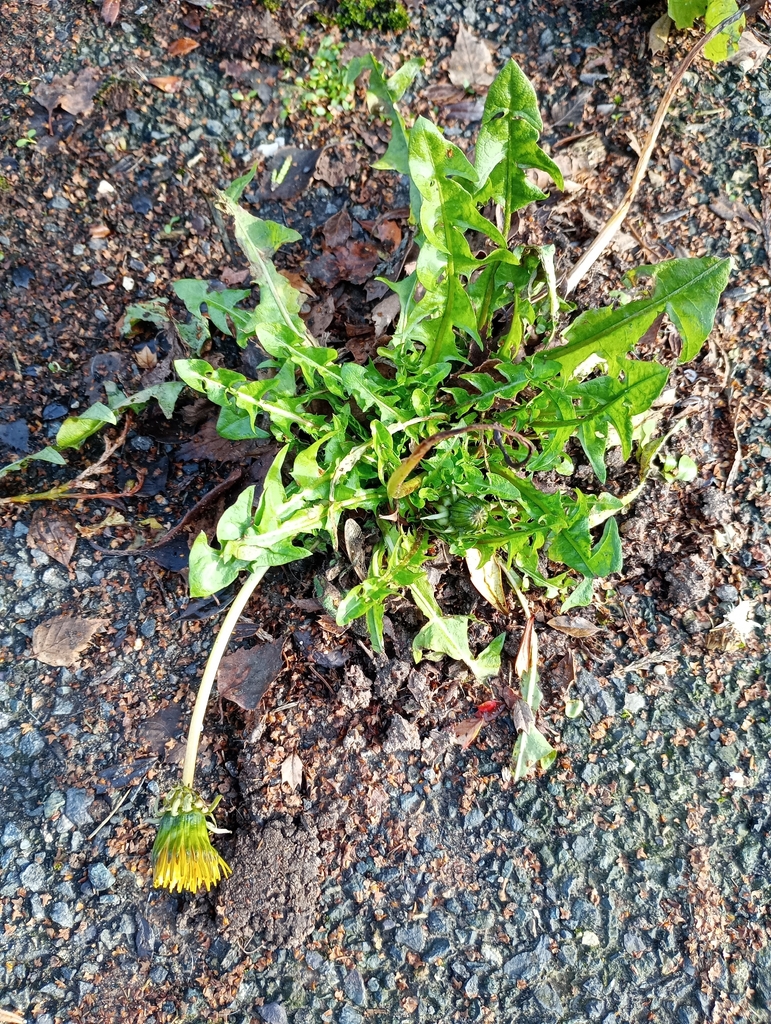
Le pissenlit est une plante familière dans les pelouses et les champs du monde entier. C'est une plante vivace robuste qui produit des fleurs d'un jaune vif suivies de leurs iconiques têtes de graines blanches. Bien que souvent considéré comme une mauvaise herbe, c'est en réalité une plante nutritive et comestible.

En un coup d'œil
- Niveau d'entretien
- Facile
- Type de plante
- Plante vivace herbacée
- Lumière
- Plein soleil
- Lumière en intérieur
- Soleil direct
- Arrosage
- Tous les 3 à 7 jours
- Taille adulte
- 30 à 40 cm
- Croissance
- Rapide
- Rusticité
- USDA 3 à 9
- Floraison
- Début du printemps à la fin de l'automne
Entretien
Les pissenlits prospèrent dans presque toutes les conditions de sol avec une exposition au plein soleil. Gardez un œil sur la dispersion rapide des graines si vous souhaitez limiter leur propagation dans votre jardin. Ils sont incroyablement résilients et nécessitent très peu d'entretien.
- Arrosage
- Arrosez lorsque le premier centimètre de sol est sec au toucher.
- Engrais
- Les pissenlits nécessitent rarement d'engrais car ils sont efficaces pour extraire les nutriments du sol.
- Taille
- Retirez les fleurs fanées avant qu'elles ne produisent des graines pour éviter une propagation indésirable.
- Rempotage
- Rempotez uniquement si vous cultivez en pot, car ils ont de profondes racines pivotantes.
- Sol
- Bien drainant, polyvalent
- pH du sol
- 6,0 à 7,0
- Température
- -30 à 35°C
- Humidité
- 30 à 80%
- Résistance à la sécheresse
- Élevée
- Durée de vie
- Vivace, généralement de 3 à 5 ans.
- Résistance aux chevreuils et lapins
- Moyenne
Signes qu'il faut rempoter
- Les racines sortent des trous de drainage.
- La plante arrête de pousser malgré des soins réguliers.
Sécurité
- Humains
- La plante est généralement considérée comme non toxique pour les humains.
- Enfants
- La sève laiteuse peut être salissante et potentiellement irritante si elle pénètre dans les yeux ou la bouche d'un enfant.
- Allergènes de contact
- La sève laiteuse présente dans les tiges peut provoquer une irritation cutanée ou une dermatite de contact chez les personnes sensibles.
- Allergènes aéroportés
- Le pollen peut déclencher des symptômes de rhume des foins chez certaines personnes pendant la saison de floraison.
- Comestibilité
- Bien que les feuilles et les fleurs soient comestibles, évitez de récolter dans les zones traitées avec des pesticides ou des herbicides.
Comment l'identifier
- Feuilles basales profondément dentées
- Tiges creuses remplies de sève laiteuse
- Têtes florales composites d'un jaune vif
- Têtes de graines sphériques blanches et duveteuses
- Hauteur
- 0,05 à 0,4m
- Envergure
- 0,1 à 0,3m
- Feuilles
- vert, caduc
- Fleurs
- jaune, 2 à 5cm
- Fruits
- white, Late spring to summer
Problèmes à surveiller
- Montée en grainesCourant
- OïdiumCourant
- PuceronsCourant
- Limaces et escargotsPeu courant
- RouillePeu courant
- Taches foliairesPeu courant
- Mildiou poudreux — Une infection fongique qui apparaît sous forme de taches blanches poudreuses sur les feuilles.
Par symptôme
Vérifie la santé de ta plante en photo
Pocket Botanist analyse une photo de ta plante et te dit ce qui ne va pas et quoi essayer en premier.
La cultiver
- Multiplication
- semis, division
- Quand planter
- printemps, automne
- Hivernage
- La plante entre en dormance en hiver, la racine pivotante restant vivante sous terre pour repousser au printemps.
- En pot
- Ils poussent bien en pots, mais utilisez un récipient profond pour accueillir leur longue racine pivotante.
Dispersion des graines
- Collectez les têtes de graines duveteuses une fois qu'elles deviennent blanches.
- Éparpillez les graines directement sur le sol nu à l'automne ou au printemps.
- Appuyez légèrement sur le sol pour assurer un bon contact.
Les pissenlits sont souvent mieux laissés dans les zones plus sauvages du jardin pour éviter la compétition avec des plantes ornementales plus délicates.
Bonnes associations
- Garden Strawberry — Dandelions can help attract pollinators to the strawberry patch.
- Achillée millefeuille — Both plants thrive in similar conditions and support beneficial insects.
Espèces similaires
- catsear — Il ressemble beaucoup mais a des tiges ramifiées et des feuilles poilues.
Science
- Famille
- Asteraceae
- Genre
- Taraxacum
- Ordre
- Asterales
- Classe
- Magnoliopsida
- Région d'origine
- Originaire d'Eurasie mais maintenant naturalisé dans le monde entier.
- Préservation
- Cette plante est considérée comme une mauvaise herbe commune et ne fait pas l'objet de préoccupations de conservation.
Il prospère dans les sols perturbés et les zones ouvertes en utilisant sa profonde racine pivotante pour accéder à l'eau et aux nutriments.
- Intérêt pour la faune
- source de nectar précoce, source de pollen
- Pollinisateurs
- abeilles, papillons, coléoptères
- Utilisations
- légumes verts culinaires, vin de fleur, soutien aux pollinisateurs
Au fil des saisons
Repères écologiques
- Température
- 5/9
- Humidité
- 5/9
- Nutriments
- 6/9
- Salinité
- 3/9
- Lumière
- 7/9
- Réaction du sol
- 5/9
Taxonomie vérifiée avec le GBIF.
Ce qu'on demande souvent
- Les pissenlits sont-ils bons pour la pelouse ?
- Ils aident à aérer le sol avec leurs profondes racines pivotantes et fournissent de la nourriture précoce aux pollinisateurs.
- Comment s'en débarrasser ?
- Vous devez retirer toute la racine pivotante pour éviter qu'elle ne repousse.
D'où vient le nom
Le nom Taraxacum vient du mot arabe pour une herbe amère, tandis qu'officinale fait référence à son utilisation historique dans les pharmacies.
Bon à savoir
- Chaque partie du pissenlit est comestible.
- Le nom vient du français dent de lion, signifiant dent de lion.
- Les pissenlits suivent le soleil tout au long de la journée.
- Ils étaient autrefois très appréciés pour leurs propriétés médicinales.
Garde ta plante en pleine forme
Cette page est un guide général. Enregistre ta plante dans Pocket Botanist et tu reçois des rappels d'entretien adaptés à cette plante, ainsi qu'un historique d'entretien qui montre ce qui a marché.
Ce guide a été généré par IA et vérifié avec la taxonomie du GBIF. Il s'agit d'informations générales, et non de conseils horticoles ou vétérinaires. Découvre comment nous concevons ces guides.