 Pocket Botanist
Plant guide
Arrowhead Vine.
Syngonium podophyllum
Pronounced sin-GO-nee-um po-do-FILL-um
Also known as African evergreen, American Evergreen, Arrow-Head Vine, Arrowhead Plant, Arrowhead Vine, Arrowhead plant, Arrowhead vine, Arrowhead philodendron, Goosefoot, African evergreen, American evergreen, Nephthytis, Emerald jewel, Goose Foot, Goosefoot-plant


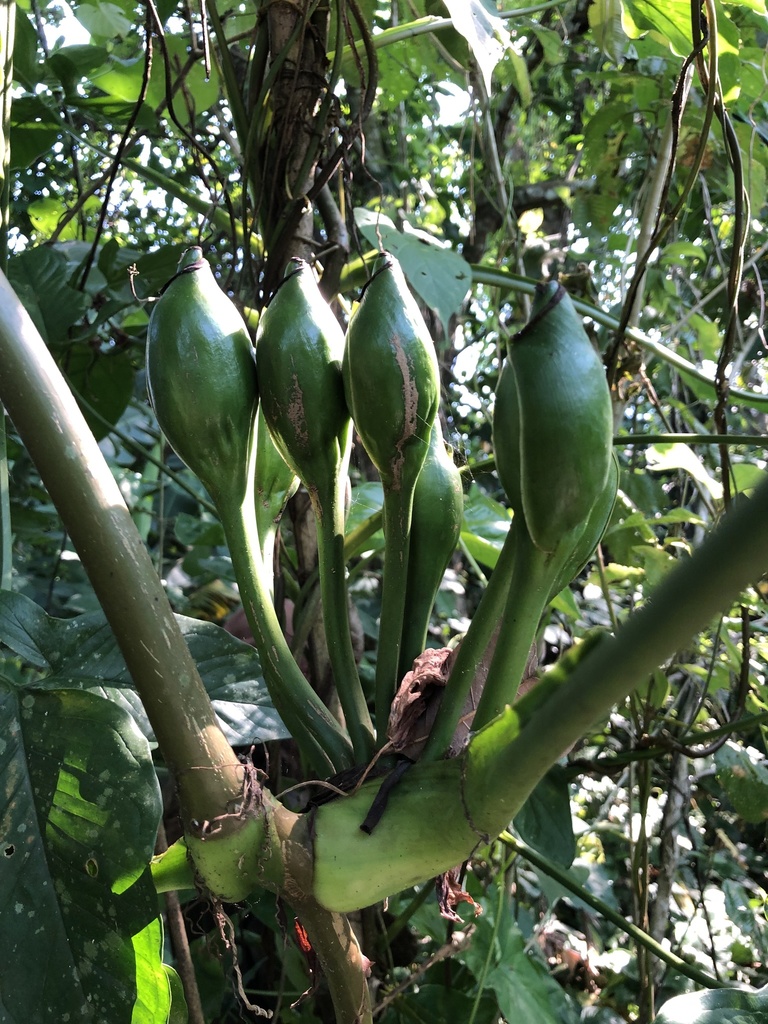
This charming tropical climber is a favorite for its changing leaf shape as it matures. It thrives in warm, humid spots and looks lovely in a hanging basket or climbing a moss pole. You will find it is quite adaptable to indoor life.
At a glance
- Care level
- Easy
- Plant type
- Tropical perennial vine
- Light
- Bright indirect light is best.
- Indoor light
- Bright indirect
- Water
- Every 5 to 10 days
- Mature size
- 100 to 150 cm
- Growth rate
- Fast
- Hardiness
- USDA 10 to 12
- Bloom time
- Rarely blooms indoors, but occasionally in late spring or summer.
Care
Keep the soil consistently moist but never soggy to prevent root issues. Watch for drooping leaves as a sign it needs a drink, and wipe the foliage occasionally to keep it dust free. If the plant gets too leggy, just trim back the stems to encourage a bushier shape.
- Watering
- Water when the top inch of soil feels dry.
- Feeding
- Feed with a balanced liquid fertilizer during the growing season.
- Pruning
- Trim back long stems to maintain a compact shape.
- Repotting
- Repot when the roots fill the current container.
- Soil
- Well draining peat based potting mix.
- Soil pH
- 6.0 to 7.0
- Temperature
- 15 to 29°C
- Humidity
- 60 to 90%
- Drought tolerance
- Low
- Lifespan
- Perennial, typically 5 to 10 years with proper care.
- Deer and rabbits
- Low
Signs it needs repotting
- Roots growing out of the drainage holes.
- Water running straight through the soil without soaking in.
- Stunted growth despite adequate light and fertilizer.
Safety
- People
- The plant contains calcium oxalate crystals that cause severe irritation to the mouth and throat upon contact.
- Pets
- This plant is toxic to cats and dogs if ingested.
- Children
- Keep this plant out of reach of children as the leaves are highly toxic if chewed or swallowed.
- Contact allergens
- The sap can cause skin irritation or rashes in sensitive individuals.
- Airborne allergens
- There are no notable respiratory allergens associated with this plant.
- Edibility
- This plant is toxic if ingested and should never be consumed by humans or pets.
How to identify it
- Arrow shaped juvenile leaves
- Leaves become lobed with age
- Trailing or climbing growth habit
- Variegated patterns common on foliage
- Height
- 0.3 to 1.5m
- Spread
- 0.3 to 0.9m
- Leaves
- green, white, pink, evergreen
- Flowers
- white, green, 5 to 10cm
- Fruit
- red, rarely produced in cultivation
Problems to watch for
- Root RotCommon
- Spider MitesCommon
- Brown Leaf EdgesUncommon
- Fungus GnatsUncommon
- Leaf DropUncommon
- MealybugsUncommon
By symptom
Check your arrowhead vine from a photo
Pocket Botanist looks at a photo of your plant and tells you what's wrong and what to try first.
Growing it
- Propagation
- cuttings, division
- When to plant
- spring, summer
- Overwintering
- Keep the plant in a warm spot away from cold drafts. Reduce watering slightly during the cooler months as growth slows down.
- In containers
- It thrives in containers and is often grown in hanging baskets to show off its trailing habit.
Stem cuttings
- 1. Identify a healthy stem with at least one node.
- 2. Cut just below the node using clean shears.
- 3. Place the cutting in a jar of water.
- 4. Change the water weekly until roots are 5cm long.
- 5. Pot the rooted cutting into fresh soil.
Group this plant with other tropical foliage to create a microclimate that boosts ambient humidity.
Grows well with
- Peace Lily — They share similar requirements for humidity and indirect light.
- Pothos — Both are vining plants that look great when trained together.
Similar species
- Philodendron — Shares a similar vining habit and leaf shape.
- Caladium — Features similarly shaped leaves with striking color patterns.
Science
- Family
- Araceae
- Genus
- Syngonium
- Order
- Alismatales
- Class
- Liliopsida
- Native range
- Tropical regions of Mexico, Central America, and South America.
- Conservation
- This species is not currently endangered and is widely cultivated.
It grows as an epiphyte or climber in the understory of humid tropical forests.
- Value to wildlife
- provides dense cover
- Pollinators
- bees, beetles
- Uses
- houseplant, hanging basket, terrarium plant
Through the year
Ecological indicators
- Salinity
- 2/9
- Soil reaction
- 6/9
- Light
- 4/9
- Moisture
- 6/9
- Nutrients
- 5/9
- Temperature
- 8/9
Taxonomy resolved against GBIF.
Questions people ask
- Why are my leaves turning yellow?
- This is often a sign of overwatering or poor drainage.
- Does it need direct sunlight?
- No, it prefers bright, indirect light to maintain its variegation.
Where the name comes from
The name Syngonium comes from the Greek words for joined ovaries, while podophyllum refers to the foot shaped leaves.
Good to know
- It is commonly called the arrowhead plant because of its leaf shape.
- It is an excellent climber and will attach to moss poles.
- The plant is native to tropical rainforests in Latin America.
- It is very easy to propagate in a simple glass of water.
Also in
Keep your arrowhead vine growing
This page is a general guide. Save your plant in Pocket Botanist and you get care reminders timed for this plant, plus a care history that shows what worked.
This guide was generated with AI and checked against GBIF taxonomy. It is general information, not horticultural or veterinary advice. Read about how we build these guides.