 Pocket Botanist
Plant guide
Elder.
Sambucus nigra L.
Pronounced sam-BOO-kus NY-gruh
Also known as Black Elder, Black Elderberry, Common Elderberry, Elder, Elderberry, European Black Elder, European Black Elderberry, European Elderberry


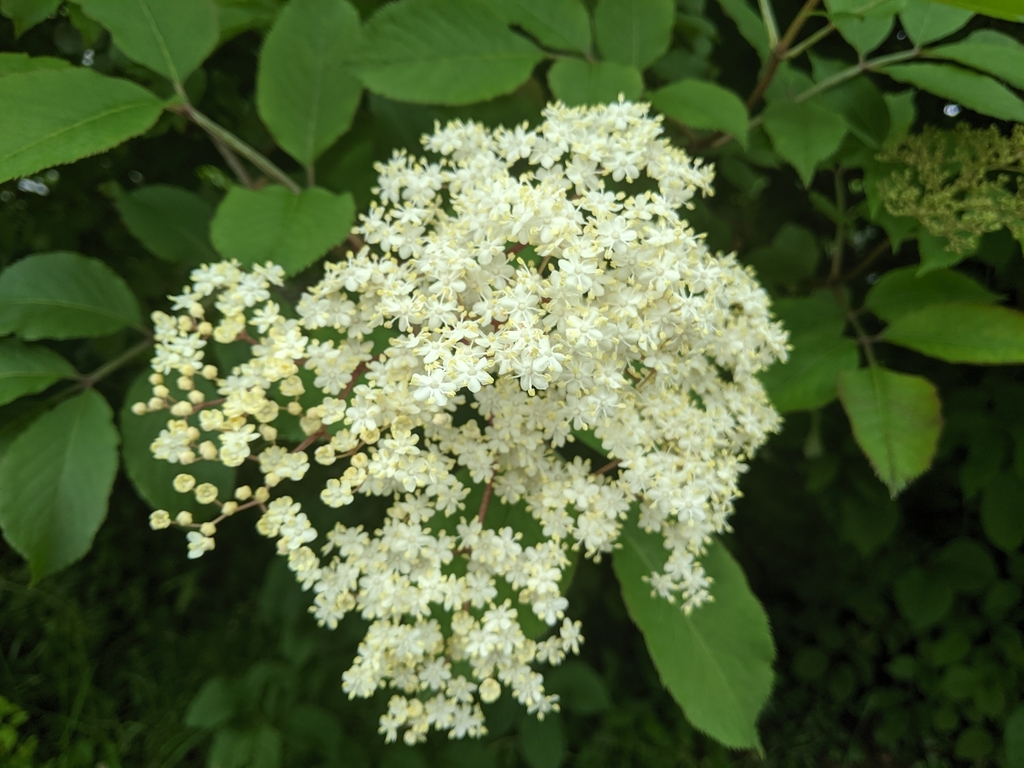
The elder is a lovely deciduous shrub or small tree known for its clusters of creamy white flowers and dark berries. It is a hardy plant that brings a touch of the wild to any garden. You will love how it attracts pollinators throughout the warmer months.
At a glance
- Care level
- Easy
- Plant type
- Deciduous shrub
- Light
- Full sun to partial shade
- Indoor light
- Bright indirect
- Water
- Every 7 to 14 days
- Mature size
- 10 to 20 feet
- Growth rate
- Fast
- Hardiness
- USDA 4 to 8
- Bloom time
- Late spring to early summer
Care
Plant your elder in a spot with rich, moist soil and plenty of room to spread out. Keep an eye out for aphids on the new growth during the spring. Regular mulching helps keep the roots cool and moist during hot spells.
- Watering
- Keep the soil consistently moist but not waterlogged.
- Feeding
- Apply a balanced organic fertilizer in early spring to support new growth.
- Pruning
- Prune in late winter to remove dead wood and shape the plant.
- Repotting
- If growing in a container, move to a larger pot every few years as it grows.
- Soil
- Moist, fertile, well-draining soil
- Soil pH
- 6.0 to 7.5
- Temperature
- -25 to 30°C
- Humidity
- 40 to 70%
- Drought tolerance
- Moderate
- Lifespan
- Perennial, typically 20 to 50 years.
- Fragrance
- Strong
- Deer and rabbits
- Moderate
Signs it needs repotting
- Roots growing out of the drainage holes
- Stunted growth despite regular feeding
Safety
- People
- All parts of the plant except the ripe, cooked fruit are considered toxic if ingested.
- Pets
- The leaves, stems, and unripe berries are toxic to cats and dogs if ingested.
- Children
- Keep children away from the raw berries and stems, as ingestion can cause nausea and stomach upset.
- Contact allergens
- Handling the stems or leaves may cause mild skin irritation in sensitive individuals.
- Airborne allergens
- The pollen can trigger hay fever symptoms in some people during the flowering season.
- Edibility
- Raw berries, leaves, and bark contain cyanogenic glycosides and must be cooked thoroughly before consumption.
How to identify it
- Opposite, pinnately compound leaves
- Clusters of tiny white flowers
- Small, dark purple to black berries
- Rough, corky bark on older stems
- Height
- 3 to 6m
- Spread
- 3 to 5m
- Leaves
- green, dark purple, deciduous
- Flowers
- white, cream, 0.5 to 0.8cm
- Fruit
- black, dark purple, Late summer to early autumn
Problems to watch for
- AphidsCommon
- Powdery MildewCommon
- CankerUncommon
- Leaf SpotUncommon
- Root RotUncommon
- Verticillium WiltUncommon
Check your elder from a photo
Pocket Botanist looks at a photo of your plant and tells you what's wrong and what to try first.
Growing it
- Propagation
- cuttings, seed
- When to plant
- spring, autumn
- Overwintering
- Mulch the base in late autumn to protect roots from extreme temperature fluctuations. No special indoor care is needed as it is fully hardy.
- In containers
- It can grow in large containers, but requires a pot at least 50 liters in size to accommodate its root system.
Hardwood Cuttings
- 1. Take 20cm cuttings from dormant wood in late winter.
- 2. Place them in a pot with moist, well draining soil.
- 3. Keep in a sheltered spot until roots develop in spring.
Planting elderberry near nitrogen fixing shrubs can help support its rapid growth.
Grows well with
Similar species
- American Elder — It is a very similar North American relative with comparable growth habits.
Science
- Family
- Viburnaceae
- Genus
- Sambucus
- Order
- Dipsacales
- Class
- Magnoliopsida
- Native range
- Europe, Western Asia, and North Africa.
- Conservation
- This species is widespread and not of conservation concern.
It thrives in moist, fertile soils and often colonizes forest edges and disturbed areas.
- Value to wildlife
- nectar source, berries for birds
- Pollinators
- bees, butterflies, beetles
- Uses
- ornamental shrub, culinary syrups, wildlife hedging
Through the year
Ecological indicators
- Soil reaction
- 6/9
- Light
- 6/9
- Moisture
- 6/9
- Salinity
- 2/9
- Temperature
- 5/9
- Nutrients
- 7/9
Taxonomy resolved against GBIF.
Questions people ask
- Can I eat the berries raw?
- No, raw berries can cause significant digestive distress and should always be cooked.
- How do I prune it?
- Prune in late winter to remove dead wood and encourage vigorous new growth.
Where the name comes from
The name Sambucus comes from the Greek word sambuke, an ancient musical instrument made from elder wood. The common name elder likely derives from the Anglo Saxon word aeld, meaning fire, because the hollow stems were used to blow air into fires.
Good to know
- Elder wood was traditionally used to make whistles and pipes.
- The berries are packed with antioxidants.
- It is a fast growing shrub that can reach its full size in just a few years.
Also in
Keep your elder growing
This page is a general guide. Save your plant in Pocket Botanist and you get care reminders timed for this plant, plus a care history that shows what worked.
This guide was generated with AI and checked against GBIF taxonomy. It is general information, not horticultural or veterinary advice. Read about how we build these guides.