 Pocket Botanist
Plant guide
Cork oak.
Quercus suber
Pronounced KWER-kus SOO-ber
Also known as Cork Oak, Cork bark oak


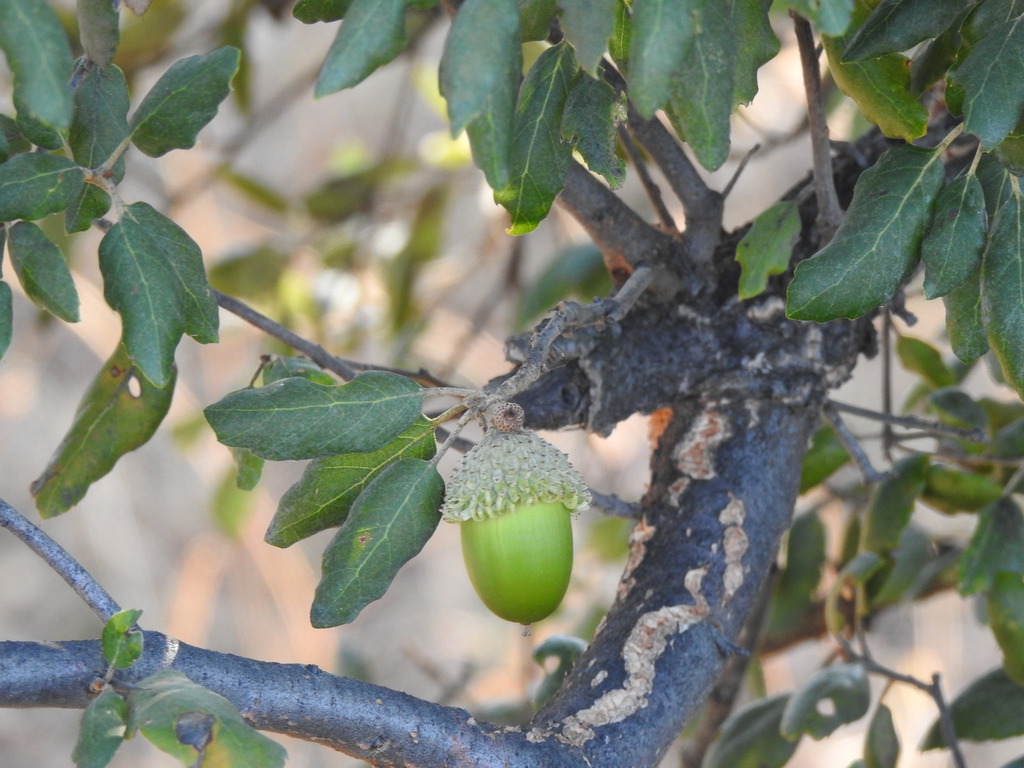
The cork oak is a beautiful evergreen tree famous for its thick, spongy bark that we harvest for cork. It thrives in Mediterranean climates and adds a unique, rugged charm to any landscape. You will love how its textured trunk creates such a distinct look in your garden.

At a glance
- Care level
- Moderate
- Plant type
- Evergreen tree
- Light
- Full sun
- Indoor light
- Direct sun
- Water
- Every 7 to 14 days
- Mature size
- 20 to 30 meters
- Growth rate
- Slow
- Hardiness
- USDA 7 to 10
- Bloom time
- Mid to late spring
Care
Plant this tree in a spot with plenty of sun and well draining soil. Keep an eye out for signs of root rot if the soil stays wet for too long. It is quite drought tolerant once it gets established in your yard.
- Watering
- Water deeply but infrequently once the tree is established.
- Feeding
- Apply a balanced fertilizer in early spring to support healthy growth.
- Pruning
- Remove dead or crossing branches during the dormant winter season.
- Repotting
- Repot only if the tree is kept in a container and shows signs of being root bound.
- Soil
- Sandy, acidic, well drained soil
- Soil pH
- Acidic to neutral
- Temperature
- -10 to 40°C
- Humidity
- 40 to 70%
Safety
- People
- The plant is generally non-toxic, but the high tannin content in acorns can cause digestive upset if ingested.
- Children
- Acorns pose a choking hazard to small children if swallowed.
- Contact allergens
- The leaves and bark are not known to cause contact dermatitis.
- Airborne allergens
- The pollen is a significant airborne allergen during the spring flowering season.
- Edibility
- Acorns are not for human consumption without extensive leaching to remove tannins.
How to identify it
- Thick, deeply fissured corky bark
- Evergreen, leathery, oval shaped leaves
- Small, brown, oval shaped acorns
- Toothed or wavy leaf margins
- Height
- 10 to 20m
- Spread
- 8 to 15m
- Leaves
- dark green, grayish green, evergreen
- Flowers
- yellowish green, 0.5 to 1cm
- Fruit
- brown, Autumn
Common problems
- Phytophthora root rot — A soil-borne pathogen that causes root decay and tree decline.
- Oak borer — Larvae tunnel into the wood, weakening the structural integrity of the trunk.
Growing it
- Propagation
- seed
- When to plant
- autumn, spring
Plant drought-tolerant Mediterranean shrubs beneath the canopy to mimic the natural understory of cork oak forests.
Grows well with
- Rockrose — These shrubs thrive in similar dry, Mediterranean conditions.
- Lavender — They share a preference for full sun and well-drained soil.
Similar species
- Holm Oak — It is a closely related evergreen oak with similar environmental requirements.
Science
- Family
- Fagaceae
- Genus
- Quercus
- Order
- Fagales
- Class
- Magnoliopsida
- Native range
- Southwest Europe and Northwest Africa.
- Conservation
- This species is protected in parts of its native range due to the ecological importance of cork oak forests.
It is a fire-adapted species that thrives in Mediterranean climates with dry summers and mild, wet winters.
- Value to wildlife
- provides shelter, food source for birds and mammals
- Pollinators
- bees, beetles
- Uses
- cork production, ornamental shade tree, wildlife habitat
Through the year
Ecological indicators
- Salinity
- 2/9
- Soil reaction
- 5/9
- Light
- 8/9
- Temperature
- 7/9
- Moisture
- 3/9
- Nutrients
- 3/9
Taxonomy resolved against GBIF.
Questions people ask
- How often can you harvest the bark?
- The bark is typically harvested every nine to twelve years.
- Does it need full sun?
- Yes, it thrives best in full sun with well-draining soil.
Where the name comes from
The specific epithet suber is the Latin word for the cork oak itself.
Good to know
- Cork oak trees can live for over two hundred years.
- The bark is fire-resistant, helping the tree survive wildfires.
- Portugal is the world's leading producer of cork from this species.
- The tree does not reach maturity for cork harvesting until it is about twenty-five years old.
Is your cork oak looking unwell?
This page is a general guide. Pocket Botanist diagnoses problems from a photo of your actual plant, works out watering for your light and conditions, and reminds you when care is due.
This guide was generated with AI and checked against GBIF taxonomy. It is general information, not horticultural or veterinary advice. Read about how we build these guides.