 Pocket Botanist
Guía de plantas
Cork oak.
Quercus suber
Pronunciación KWER-kus SOO-ber
También se conoce como Cork Oak, Cork bark oak


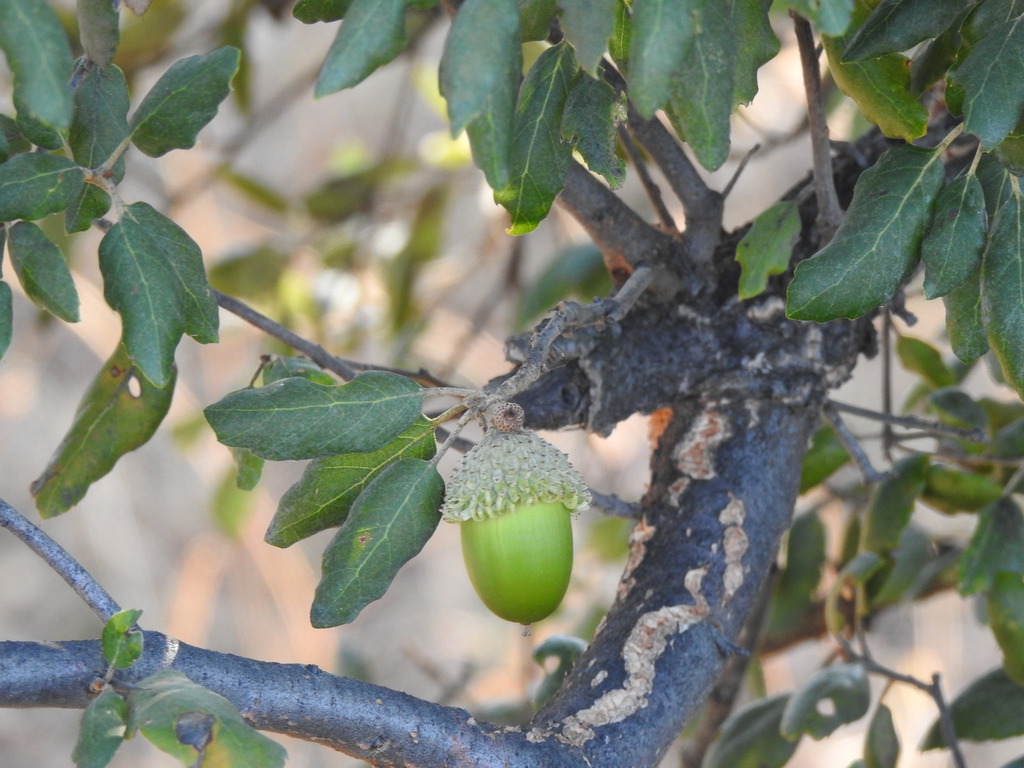
The cork oak is a beautiful evergreen tree famous for its thick, spongy bark that we harvest for cork. It thrives in Mediterranean climates and adds a unique, rugged charm to any landscape. You will love how its textured trunk creates such a distinct look in your garden.

De un vistazo
- Nivel de cuidados
- Media
- Tipo de planta
- Evergreen tree
- Luz
- Full sun
- Luz en interior
- Sol directo
- Riego
- Cada 7 a 14 días
- Tamaño adulto
- 20 to 30 meters
- Ritmo de crecimiento
- Lento
- Rusticidad
- USDA 7 a 10
- Floración
- Mid to late spring
Cuidados
Plant this tree in a spot with plenty of sun and well draining soil. Keep an eye out for signs of root rot if the soil stays wet for too long. It is quite drought tolerant once it gets established in your yard.
- Riego
- Water deeply but infrequently once the tree is established.
- Abonado
- Apply a balanced fertilizer in early spring to support healthy growth.
- Poda
- Remove dead or crossing branches during the dormant winter season.
- Trasplante
- Repot only if the tree is kept in a container and shows signs of being root bound.
- Suelo
- Sandy, acidic, well drained soil
- pH del suelo
- Acidic to neutral
- Temperatura
- -10 a 40°C
- Humedad
- 40 a 70%
Seguridad
- Personas
- The plant is generally non-toxic, but the high tannin content in acorns can cause digestive upset if ingested.
- Niños
- Acorns pose a choking hazard to small children if swallowed.
- Alérgenos por contacto
- The leaves and bark are not known to cause contact dermatitis.
- Alérgenos en el aire
- The pollen is a significant airborne allergen during the spring flowering season.
- Comestibilidad
- Acorns are not for human consumption without extensive leaching to remove tannins.
Cómo identificarla
- Thick, deeply fissured corky bark
- Evergreen, leathery, oval shaped leaves
- Small, brown, oval shaped acorns
- Toothed or wavy leaf margins
- Altura
- 10 a 20m
- Anchura
- 8 a 15m
- Hojas
- dark green, grayish green, evergreen
- Flores
- yellowish green, 0,5 a 1cm
- Frutos
- brown, Autumn
Problemas frecuentes
- Phytophthora root rot — A soil-borne pathogen that causes root decay and tree decline.
- Oak borer — Larvae tunnel into the wood, weakening the structural integrity of the trunk.
Cómo cultivarla
- Propagación
- seed
- Cuándo plantar
- autumn, spring
Plant drought-tolerant Mediterranean shrubs beneath the canopy to mimic the natural understory of cork oak forests.
Buenas compañeras
- Cistus — These shrubs thrive in similar dry, Mediterranean conditions.
- Lavanda — They share a preference for full sun and well-drained soil.
Especies parecidas
- Quercus ilex — It is a closely related evergreen oak with similar environmental requirements.
Ciencia
- Familia
- Fagaceae
- Género
- Quercus
- Orden
- Fagales
- Clase
- Magnoliopsida
- Distribución natural
- Southwest Europe and Northwest Africa.
- Conservación
- This species is protected in parts of its native range due to the ecological importance of cork oak forests.
It is a fire-adapted species that thrives in Mediterranean climates with dry summers and mild, wet winters.
- Valor para la fauna
- provides shelter, food source for birds and mammals
- Polinizadores
- abejas, escarabajos
- Usos
- cork production, ornamental shade tree, wildlife habitat
A lo largo del año
Indicadores ecológicos
- Salinidad
- 2/9
- Reacción del suelo
- 5/9
- Luz
- 8/9
- Temperatura
- 7/9
- Humedad
- 3/9
- Nutrientes
- 3/9
Taxonomía cotejada con GBIF.
Lo que más preguntan
- How often can you harvest the bark?
- The bark is typically harvested every nine to twelve years.
- Does it need full sun?
- Yes, it thrives best in full sun with well-draining soil.
De dónde viene el nombre
The specific epithet suber is the Latin word for the cork oak itself.
Bueno saberlo
- Cork oak trees can live for over two hundred years.
- The bark is fire-resistant, helping the tree survive wildfires.
- Portugal is the world's leading producer of cork from this species.
- The tree does not reach maturity for cork harvesting until it is about twenty-five years old.
¿Tu cork oak tiene mal aspecto?
Esta página es una guía general. Pocket Botanist diagnostica problemas a partir de una foto de tu propia planta, calcula el riego según tu luz y tus condiciones, y te avisa cuando toca cuidarla.
Esta guía se ha generado con IA y se ha cotejado con la taxonomía de GBIF. Es información general, no asesoramiento botánico ni veterinario. Descubre cómo elaboramos estas guías.