 Pocket Botanist
Plant guide
Self-heal.
Prunella vulgaris
Pronounced proo-NEL-uh vul-GAIR-iss
Also known as Alpine Self-heal, Common Self Heal, Common Selfheal, Heal-all



Scan with your phone's camera to get the app
Or go to pocketbotanist.app/get on your phone
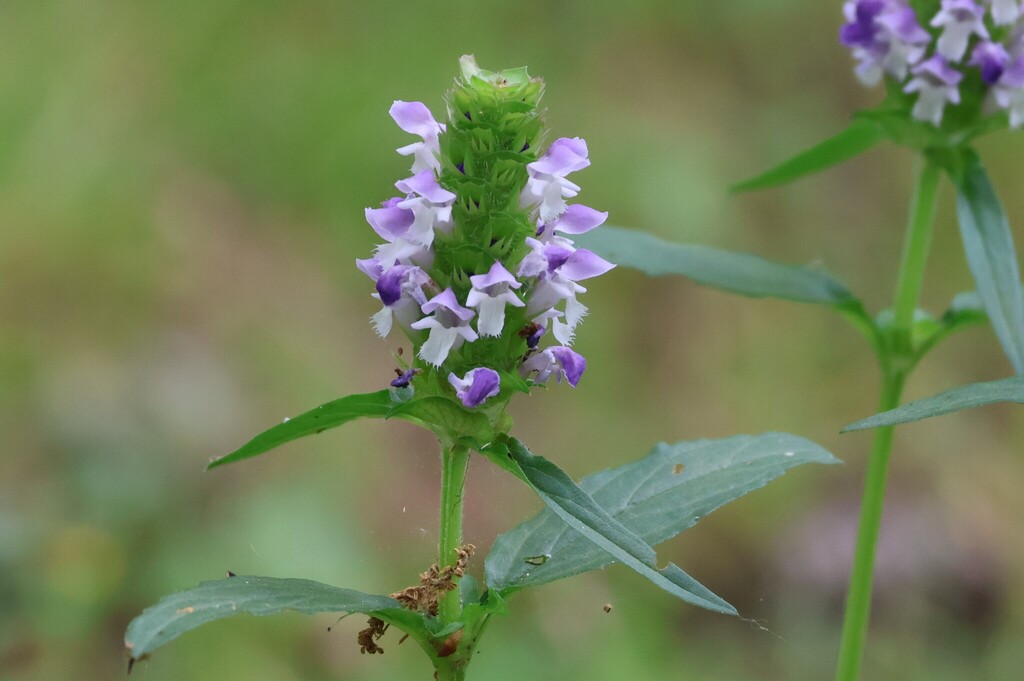
Self-heal is a hardy, low-growing perennial that is often found in meadows and along paths. It is well known for its traditional use in herbal medicine and its ability to spread through creeping stems. This plant is a fantastic choice for naturalizing in a garden or supporting local pollinators.

At a glance
- Care level
- Easy
- Plant type
- Herbaceous perennial
- Light
- Full sun to partial shade
- Indoor light
- Bright indirect
- Water
- Every 2 to 5 days
- Mature size
- 30 cm height, 60 cm spread
- Growth rate
- Fast
- Hardiness
- USDA 3 to 9
- Bloom time
- Late spring to early autumn
Care
Keep the soil consistently moist to mimic its natural damp habitat. Watch for wilting during dry spells, as this plant does not tolerate drought well. It spreads quickly, so consider planting it in a contained area if you want to keep it from wandering.
- Watering
- Keep the soil evenly moist but not waterlogged.
- Feeding
- Apply a balanced organic fertilizer once during the spring.
- Pruning
- Deadhead spent flowers to encourage a second flush of blooms.
- Repotting
- Repot in spring if the plant becomes root bound.
- Soil
- Moist, well-draining, fertile soil
- Soil pH
- Neutral to slightly acidic
- Temperature
- -30 to 35°C
- Humidity
- 40 to 80%
- Drought tolerance
- Moderate
- Lifespan
- Perennial, typically 3 to 5 years.
- Deer and rabbits
- Moderate
Signs it needs repotting
- Roots growing out of drainage holes
- Water running straight through the pot
- Stunted growth
Safety
- People
- It is generally considered non toxic to humans.
- Children
- The plant is safe for children to touch, though ingestion of any wild plant should be discouraged.
- Contact allergens
- There are no common reports of skin irritation from this plant.
- Airborne allergens
- Pollen may cause mild reactions in sensitive individuals during peak bloom.
- Edibility
- While historically used in teas, consult a professional before consuming wild plants to ensure proper identification.
How to identify it
- Square stems typical of mint family
- Opposite, lance-shaped leaves
- Dense, terminal spikes of purple flowers
- Creeping stems that root at nodes
- Height
- 0.1 to 0.4m
- Spread
- 0.2 to 0.6m
- Leaves
- green, deciduous
- Flowers
- purple, violet, white, 1 to 2cm
Problems to watch for
- Powdery MildewCommon
- Slugs and SnailsCommon
- AphidsUncommon
- Root RotUncommon
Check your self-heal from a photo
Pocket Botanist looks at a photo of your plant and tells you what's wrong and what to try first.
Scan with your phone's camera to get the app
Or go to pocketbotanist.app/get on your phone
Growing it
- Propagation
- division, seed
- When to plant
- spring, autumn
- Overwintering
- The plant dies back to the ground in winter. No special protection is needed as it is fully hardy.
- In containers
- It grows well in containers, provided the pot has drainage holes and is at least 20 centimeters wide.
Division
- 1. Dig up a mature clump in spring.
- 2. Gently pull the root mass apart into smaller sections.
- 3. Replant immediately in moist soil.
Seed
- 1. Sow seeds on the surface of damp soil in autumn.
- 2. Provide light as they need it to germinate.
- 3. Keep soil consistently moist until established.
Plant in groups to create a dense mat that suppresses weeds effectively.
Grows well with
- Yarrow · They share similar moisture and sun requirements in meadow settings.
- Wild Strawberry · Both make excellent low growing ground covers.
Similar species
- Bugleweed · It has a similar growth habit and purple flower spikes.
Science
- Family
- Lamiaceae
- Genus
- Prunella
- Order
- Lamiales
- Class
- Magnoliopsida
- Native range
- Temperate regions of the Northern Hemisphere.
- Conservation
- It is a common and widespread species with no special conservation status.
It thrives in disturbed soils, meadows, and along paths where it can outcompete smaller grasses.
- Value to wildlife
- nectar source, supports native bee populations
- Pollinators
- bees, butterflies, moths
- Uses
- ground cover, pollinator gardens, meadow plantings, herbal tea
Through the year
Ecological indicators
- Salinity
- 1/9
- Soil reaction
- 5/9
- Light
- 6/9
- Moisture
- 6/9
- Nutrients
- 5/9
- Temperature
- 5/9
Taxonomy resolved against GBIF.
Questions people ask
- Is it invasive?
- It can spread aggressively in ideal conditions but is usually easy to manage.
- Does it need full sun?
- It prefers full sun to partial shade.
Where the name comes from
The genus name Prunella comes from the German word for quinsy, a throat infection it was thought to cure, while vulgaris means common.
Good to know
- It is a member of the mint family but does not have a strong scent.
- The plant spreads by creeping stems that root at the nodes.
- It is found on every continent except Antarctica.
- The flowers are arranged in dense, terminal spikes.
Keep your self-heal growing
This page is a general guide. Save your plant in Pocket Botanist and you get care reminders timed for this plant, plus a care history that shows what worked.
Scan with your phone's camera to get the app
Or go to pocketbotanist.app/get on your phone
This guide was generated with AI on and checked against GBIF taxonomy. It is general information, not horticultural or veterinary advice. Read about how we build these guides.