 Pocket Botanist
Plant guide
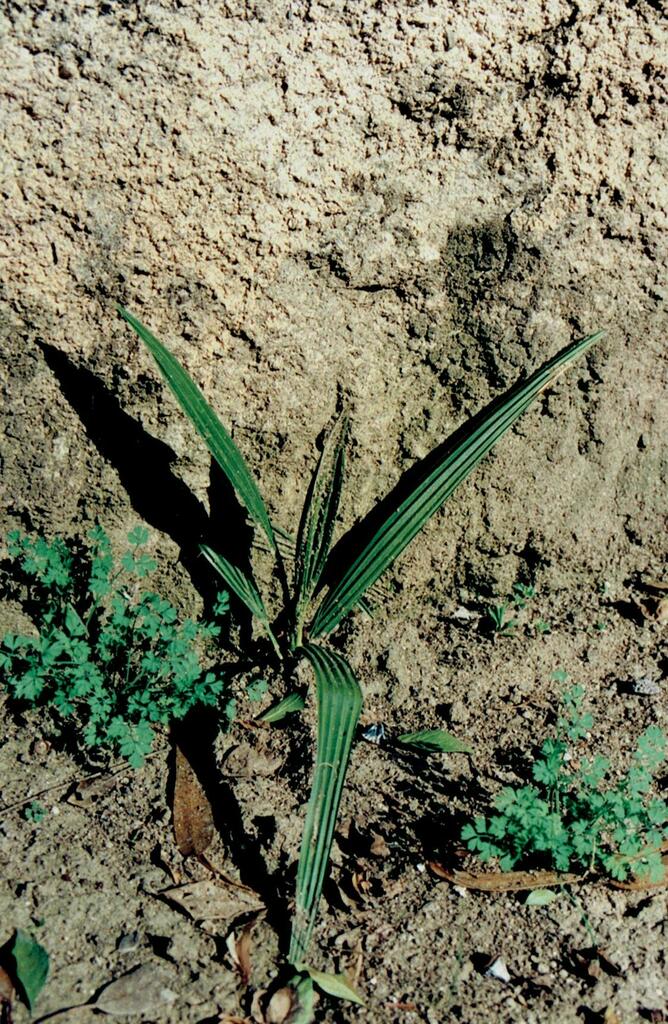
Canary Island date palm.
Phoenix canariensis
Pronounced FEE-niks ka-nar-ee-EN-sis
Also known as Canary Island Date Palm, Canary Island palm, Canary Palm, Canary date palm, Pineapple Palm



Scan with your phone's camera to get the app
Or go to pocketbotanist.app/get on your phone

This iconic palm brings a touch of the tropics to your landscape with its massive, arching fronds. It is a slow grower that eventually develops a thick, textured trunk. You will love how it creates a grand focal point in sunny gardens.
At a glance
- Care level
- Easy
- Plant type
- Palm
- Light
- Full sun
- Indoor light
- Direct sun
- Water
- Every 7 to 14 days
- Mature size
- 60 feet
- Growth rate
- Slow
- Hardiness
- USDA 9 to 11
- Bloom time
- Late winter to early spring
Care
Plant this palm in a spot that gets plenty of sunshine and has excellent drainage. Watch for yellowing fronds, which can indicate overwatering or nutrient deficiencies. Keep the area around the base clear of debris to prevent rot.
- Watering
- Water deeply once the top few inches of soil feel dry to the touch.
- Feeding
- Apply a palm-specific fertilizer during the active growing season.
- Pruning
- Remove only dead or damaged fronds to maintain plant health.
- Repotting
- Repot only when the roots have clearly outgrown the current container.
- Soil
- Well-draining, sandy or loamy soil
- Soil pH
- 6.0 to 8.0
- Temperature
- -6 to 45°C
- Humidity
- 40 to 70%
- Drought tolerance
- High
- Lifespan
- Perennial, often living over 100 years.
- Deer and rabbits
- High
Signs it needs repotting
- Roots growing out of the drainage holes.
- Water running straight through the pot without soaking in.
- The palm becomes top heavy and unstable.
Safety
- People
- The plant is not toxic, but the sharp spines at the base of the fronds can cause painful puncture wounds.
- Pets
- This plant is non-toxic to cats and dogs.
- Children
- Keep children away from the base of the trunk where the sharp, needle like spines are located.
- Contact allergens
- The sharp, stiff spines on the leaf petioles can cause mechanical skin irritation or deep punctures.
- Airborne allergens
- Pollen can be a mild irritant for those with seasonal allergies.
- Edibility
- The fruit is technically edible but mostly fibrous and not considered palatable for humans.
How to identify it
- Massive, arching pinnate fronds
- Thick, diamond patterned trunk
- Sharp spines at leaf bases
- Clusters of small orange fruits
- Height
- 10 to 18m
- Spread
- 6 to 10m
- Leaves
- dark green, evergreen
- Flowers
- yellow, cream, 1 to 2cm
- Fruit
- orange, brown, Summer to autumn
Problems to watch for
- Frond BrowningCommon
- Fusarium WiltCommon
- Scale InsectsCommon
- South American Palm WeevilCommon
- Ganoderma RotUncommon
- Lethal BronzingUncommon
- Palmetto WeevilUncommon
- Red Palm WeevilUncommon
Check your canary island date palm from a photo
Pocket Botanist looks at a photo of your plant and tells you what's wrong and what to try first.
Scan with your phone's camera to get the app
Or go to pocketbotanist.app/get on your phone
Growing it
- Propagation
- seed
- When to plant
- spring, early summer
- Overwintering
- In colder regions, wrap the crown with frost cloth if a rare freeze is expected. Ensure the soil remains well drained to prevent root rot during wet winters.
- In containers
- It grows well in large, heavy pots for many years, but ensure the container has excellent drainage.
Seed propagation
- 1. Clean the fruit pulp from the seeds.
- 2. Soak seeds in warm water for 24 hours.
- 3. Plant in a well draining seed starting mix.
- 4. Keep warm and moist until germination occurs.
Group with other drought tolerant, sun loving plants to ensure consistent care across the bed.
Grows well with
- Bird of Paradise · They share similar water and light requirements while providing a nice textural contrast.
- Agave · This succulent complements the palm's tropical look without competing for water.
Similar species
- Date Palm · It is a close relative but produces much tastier, commercially viable fruit.
Science
- Family
- Arecaceae
- Genus
- Phoenix
- Order
- Arecales
- Class
- Liliopsida
- Native range
- Canary Islands
- Conservation
- It is considered near threatened in its native Canary Islands due to habitat loss and hybridization.
It thrives in rocky, well drained soils and is highly adapted to coastal, windy environments.
- Value to wildlife
- provides nesting habitat, fruit source for birds
- Pollinators
- bees, beetles
- Uses
- ornamental specimen, avenue planting, coastal landscaping
Through the year
Ecological indicators
- Salinity
- 7/9
- Soil reaction
- 6/9
- Light
- 8/9
- Temperature
- 7/9
- Moisture
- 4/9
- Nutrients
- 5/9
Taxonomy resolved against GBIF.
Questions people ask
- How fast does it grow?
- It is a slow to moderate grower, especially when young.
- Can I grow it in a pot?
- It works well in large containers while young, but eventually needs to be planted in the ground.
Where the name comes from
The name Phoenix refers to the genus of date palms, while canariensis denotes its origin in the Canary Islands.
Good to know
- It is often called the Canary Island date palm.
- The trunk can reach a diameter of over one meter.
- It is a popular choice for grand landscapes and public parks.
Also in
Keep your canary island date palm growing
This page is a general guide. Save your plant in Pocket Botanist and you get care reminders timed for this plant, plus a care history that shows what worked.
Scan with your phone's camera to get the app
Or go to pocketbotanist.app/get on your phone
This guide was generated with AI on and checked against GBIF taxonomy. It is general information, not horticultural or veterinary advice. Read about how we build these guides.