 Pocket Botanist
Plant guide
Perilla.
Perilla frutescens
Pronounced peh-RIL-uh fru-TESS-enz
Also known as Beefsteak, Beefsteak Mint, Beefsteak Plant, Beefsteakplant, Chinese Basil, Korean Perilla, Perilla, Perilla Mint



Scan with your phone's camera to get the app
Or go to pocketbotanist.app/get on your phone
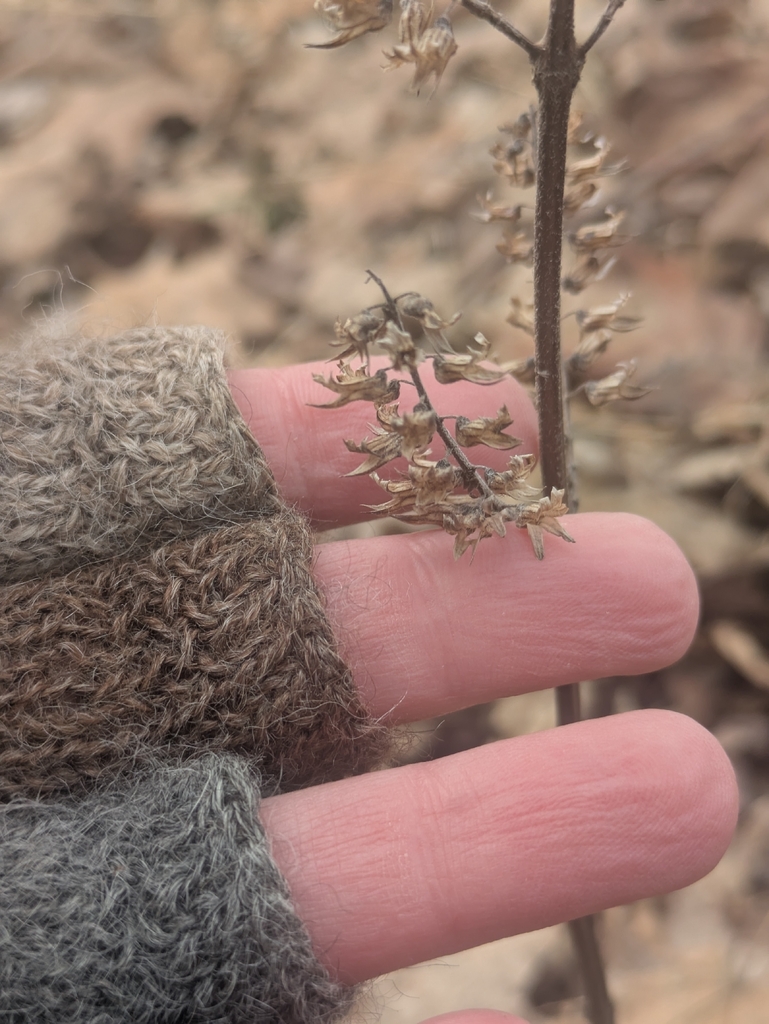
Perilla is a beautiful, aromatic herb often grown for its striking foliage and culinary uses. It thrives in warm weather and adds a lovely splash of color to any garden bed or container. You will love how easy it is to grow once the frost has passed.
At a glance
- Care level
- Easy
- Plant type
- Annual herb
- Light
- Full sun to partial shade
- Indoor light
- Bright indirect
- Water
- Every 2 to 4 days
- Mature size
- 2 to 3 feet
- Growth rate
- Fast
- Hardiness
- USDA 10 to 11
- Bloom time
- Late summer to early autumn
Care
Keep the soil consistently moist but never waterlogged to encourage lush growth. Watch for wilting during hot afternoons, which signals the plant needs a drink. Pinch back the stems regularly to promote a bushier shape and prevent early flowering.
- Watering
- Water whenever the top inch of soil feels dry to the touch.
- Feeding
- Apply a balanced liquid fertilizer once a month during the growing season.
- Pruning
- Pinch back the growing tips frequently to encourage branching and delay flowering.
- Repotting
- Since this is an annual, you will typically only need to repot if you are moving it into a larger container for the season.
- Soil
- Well draining, fertile soil
- Soil pH
- 6.0 to 7.0
- Temperature
- 5 to 35°C
- Humidity
- 40 to 70%
Safety
- People
- The plant is generally considered safe for culinary use, though some people may experience contact dermatitis from the essential oils.
- Pets
- Perilla frutescens is known to be toxic to cattle and horses, and it is generally best to keep it away from curious pets.
- Children
- The seeds are small and could pose a choking hazard if ingested by small children.
- Contact allergens
- Handling the foliage may cause skin irritation in sensitive individuals due to the volatile oils.
- Airborne allergens
- The pollen can trigger mild respiratory symptoms in those with seasonal allergies.
- Edibility
- Consult a professional before consuming, as some varieties can cause allergic reactions or sensitivity in certain individuals.
How to identify it
- Opposite, serrated, heart shaped leaves
- Deep purple to green foliage
- Square stems typical of mint family
- Small, white or pinkish flower spikes
- Height
- 0.6 to 1.2m
- Spread
- 0.3 to 0.6m
- Leaves
- purple, green, bronze, deciduous
- Flowers
- white, pink, 0.5 to 1cm
- Fruit
- brown, Autumn
Problems to watch for
- AphidsCommon
- BoltingCommon
- RustCommon
- DehydrationUncommon
- Leaf SpotUncommon
- Powdery MildewUncommon
Check your perilla from a photo
Pocket Botanist looks at a photo of your plant and tells you what's wrong and what to try first.
Scan with your phone's camera to get the app
Or go to pocketbotanist.app/get on your phone
Growing it
- Propagation
- seed
- When to plant
- Spring
Plant in a container to prevent the seeds from spreading throughout your garden beds.
Grows well with
Similar species
- Coleus · Similar foliage color and texture but grown primarily for ornament.
Science
- Family
- Lamiaceae
- Genus
- Perilla
- Order
- Lamiales
- Class
- Magnoliopsida
- Native range
- East Asia
- Conservation
- It is not of conservation concern and is considered an invasive species in many parts of North America.
It thrives in disturbed soils and forest edges where it can easily outcompete native vegetation.
- Value to wildlife
- nectar source
- Pollinators
- bees, butterflies
- Uses
- culinary herb, ornamental foliage, garnish, oil production
Through the year
Ecological indicators
- Salinity
- 2/9
- Soil reaction
- 6/9
- Light
- 6/9
- Temperature
- 7/9
- Moisture
- 5/9
- Nutrients
- 6/9
Taxonomy resolved against GBIF.
Questions people ask
- Is Perilla invasive?
- Yes, it spreads aggressively by seed and is considered invasive in many regions.
- Can I grow it in a pot?
- It grows well in containers, which also helps control its spread.
Where the name comes from
The genus name Perilla is of uncertain origin, while the species name frutescens refers to its shrubby, bushy growth habit.
Good to know
- Perilla is a member of the mint family.
- The leaves are a staple in Korean and Japanese cuisine.
- It is often called beefsteak plant due to its deep purple color.
- The seeds are pressed to create a nutty, aromatic oil.
Also in
Keep your perilla growing
This page is a general guide. Save your plant in Pocket Botanist and you get care reminders timed for this plant, plus a care history that shows what worked.
Scan with your phone's camera to get the app
Or go to pocketbotanist.app/get on your phone
This guide was generated with AI on and checked against GBIF taxonomy. It is general information, not horticultural or veterinary advice. Read about how we build these guides.