 Pocket Botanist
Plant guide
Bunny Ears Cactus.
Opuntia microdasys
Pronounced oh-PUN-tee-uh my-kro-DAY-sis
Also known as Angel's-wings, Bunny Ears Cactus, Cow-Blinder, Dwarf Cactus, Garden-Cactus, Teddy Bear Cactus, Yellow Bunny Ears, Yellow Bunny-Ears


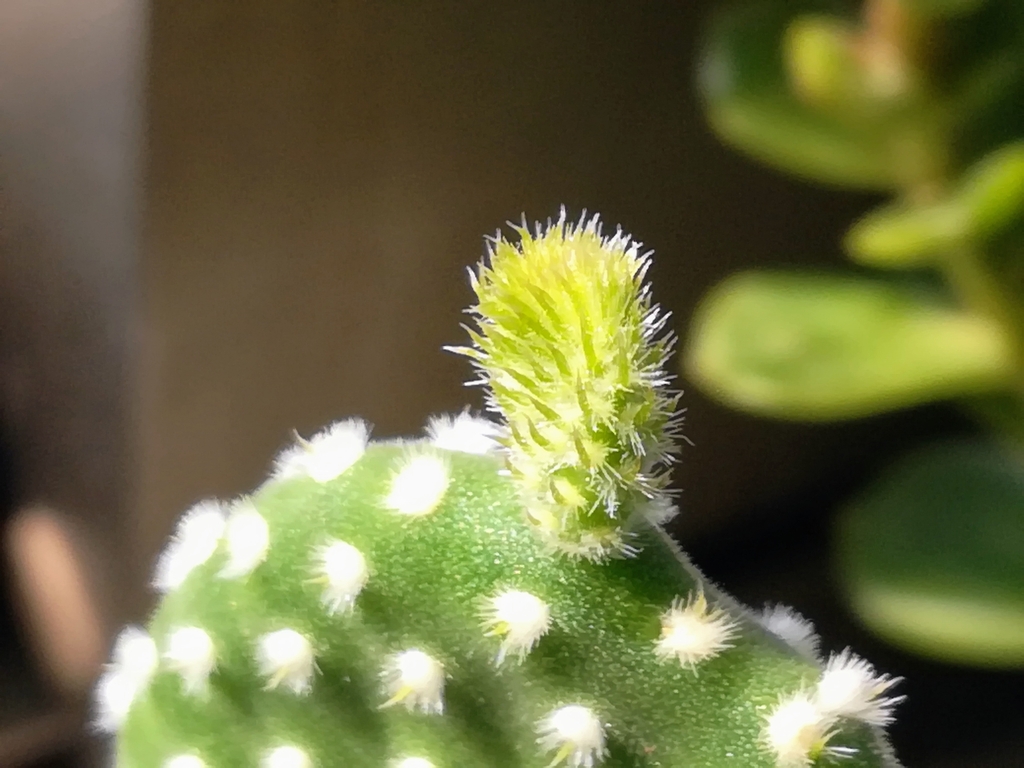
This charming cactus is famous for its flat, pad-like stems that look just like bunny ears. It is a desert native that loves soaking up the sun. You will find it is a very forgiving plant if you keep it dry.
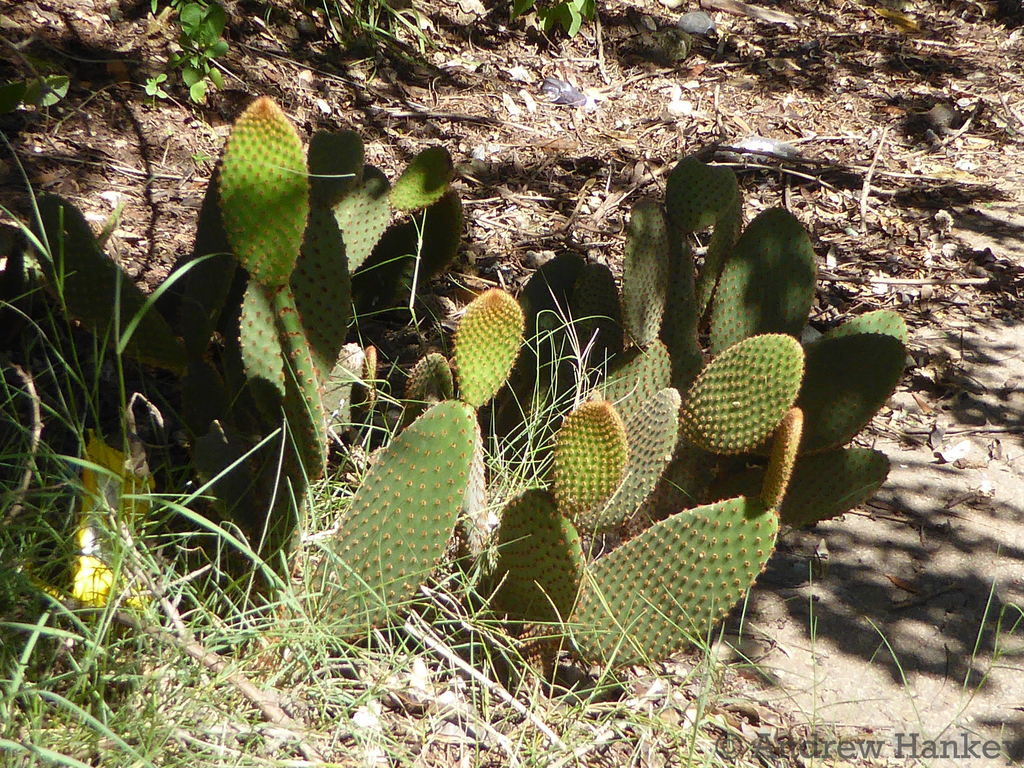
At a glance
- Care level
- Easy
- Plant type
- Succulent
- Light
- Full sun
- Indoor light
- Direct sun
- Water
- Every 14 to 30 days
- Mature size
- 2 to 3 feet
- Growth rate
- Slow
- Hardiness
- USDA 9 to 11
- Bloom time
- Late spring to early summer
Care
Always use a well-draining cactus mix to prevent root rot. Be very careful when handling, as the tiny bristles detach easily and stick to skin. If the pads start to look shriveled, it is likely asking for a drink.
- Watering
- Let the soil dry out completely between waterings to keep the roots healthy.
- Feeding
- Feed with a balanced cactus fertilizer during the active growing season.
- Pruning
- Only prune if you need to remove damaged pads or control the size.
- Repotting
- Repot only when the plant has clearly outgrown its current container.
- Soil
- Sandy, well-draining cactus mix
- Soil pH
- 6.0 to 7.5
- Temperature
- -7 to 45°C
- Humidity
- 10 to 40%
- Drought tolerance
- High
- Lifespan
- Perennial, typically 10 to 20 years
- Deer and rabbits
- High
Signs it needs repotting
- Roots growing out of the drainage hole.
- The plant has become top-heavy.
- Soil no longer drains well.
Safety
- People
- The plant is non-toxic, but the glochids cause significant skin and mucosal irritation.
- Pets
- The tiny, hair-like glochids can cause significant irritation to the skin and mouth of pets if touched or ingested.
- Children
- Keep this plant well out of reach of children as the glochids are painful and difficult to remove from skin.
- Contact allergens
- The tiny barbed glochids cause intense itching and dermatitis upon contact with skin.
- Airborne allergens
- None.
- Edibility
- The glochids are extremely irritating to the throat and digestive tract if ingested.
How to identify it
- Flat, circular green pads
- Clusters of golden glochids
- Lack of large spines
- Small yellow flowers in summer
- Height
- 0.3 to 0.6m
- Spread
- 0.3 to 0.9m
- Leaves
- green, evergreen
- Flowers
- yellow, 3 to 5cm
- Fruit
- red, purple, Late summer
Problems to watch for
- MealybugsCommon
- Root RotCommon
- EdemaUncommon
- Spider MitesUncommon
By symptom
Check your bunny ears cactus from a photo
Pocket Botanist looks at a photo of your plant and tells you what's wrong and what to try first.
Growing it
- Propagation
- cuttings, seed
- When to plant
- spring, summer
- Overwintering
- Keep the plant dry and in a cool location during winter to encourage dormancy. Avoid freezing temperatures if possible.
- In containers
- It grows very well in pots, provided the container has excellent drainage and is at least 15 cm wide.
Pad Cuttings
- 1. Use gloves to carefully remove a healthy pad.
- 2. Let the cut end callous for a few days in a dry spot.
- 3. Plant the calloused end into well-draining cactus soil.
- 4. Wait a week before watering lightly.
Group with other succulents that require minimal water to prevent accidental overwatering.
Grows well with
- Agave — They share similar water and light requirements.
- Aloe — They thrive in the same arid, well-draining conditions.
Similar species
- Prickly Pear — It is a larger relative with edible fruit.
Science
- Family
- Cactaceae
- Genus
- Opuntia
- Order
- Caryophyllales
- Class
- Magnoliopsida
- Native range
- Northern and central Mexico.
- Conservation
- Not currently threatened in the wild.
It survives in arid desert environments by storing water in its succulent pads.
- Value to wildlife
- nectar source
- Pollinators
- bees
- Uses
- ornamental, container plant, desert garden
Through the year
Ecological indicators
- Salinity
- 2/9
- Soil reaction
- 6/9
- Light
- 8/9
- Temperature
- 8/9
- Moisture
- 1/9
- Nutrients
- 2/9
Taxonomy resolved against GBIF.
Questions people ask
- How often should I water it?
- Water only when the soil has dried out completely.
- Are the glochids dangerous?
- They are not poisonous, but they are very painful and cause skin irritation.
Where the name comes from
Opuntia is named after an ancient Greek city, while microdasys refers to the small, hairy appearance of the glochids.
Good to know
- It is commonly called the bunny ears cactus due to its pad shape.
- The glochids are actually modified leaves.
- It thrives in very bright, direct sunlight.
- It is native to the arid regions of northern Mexico.
Also in
Keep your bunny ears cactus growing
This page is a general guide. Save your plant in Pocket Botanist and you get care reminders timed for this plant, plus a care history that shows what worked.
This guide was generated with AI and checked against GBIF taxonomy. It is general information, not horticultural or veterinary advice. Read about how we build these guides.