 Pocket Botanist
Guía de plantas
Cactus Oreja de Conejo.
Opuntia microdasys
Pronunciación oh-PUN-tee-uh my-kro-DAY-sis
También se conoce como Angel's-wings, Cactus Oreja de Conejo, Cow-Blinder, Cactus Enano, Cactus de Jardín, Cactus Osito de Peluche, Oreja de Conejo Amarilla, Orejas de Conejo Amarillas


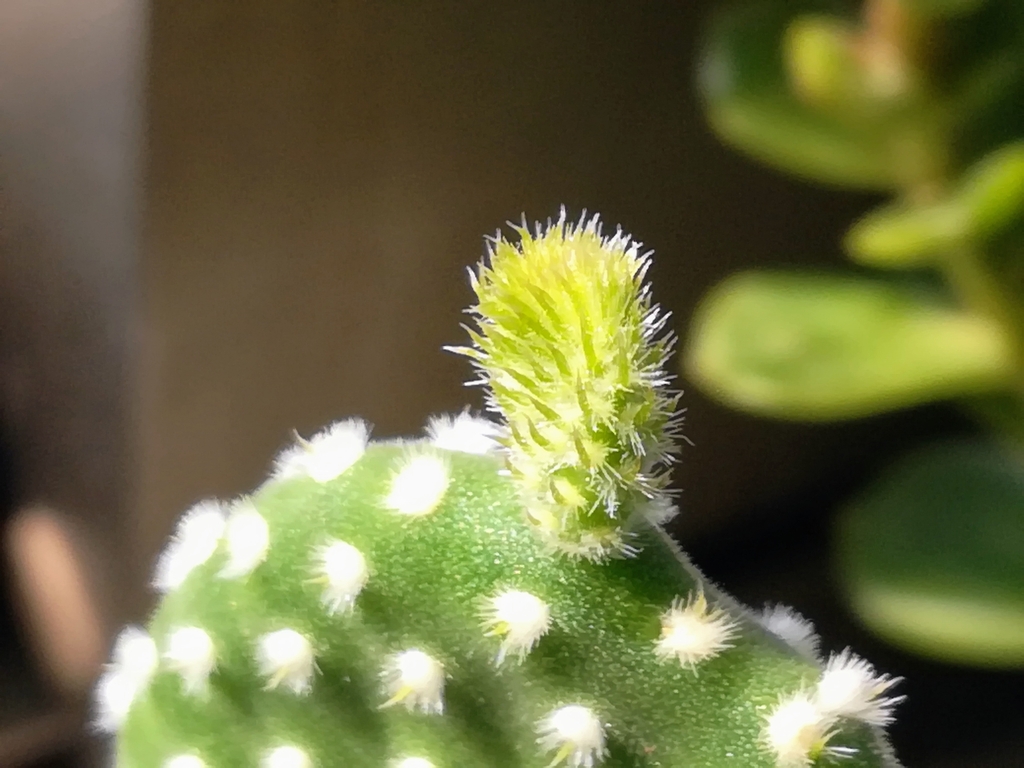
Este encantador cactus es famoso por sus tallos planos, parecidos a almohadillas, que parecen orejas de conejo. Es nativo del desierto y le encanta absorber el sol. Verás que es una planta muy tolerante si la mantienes seca.
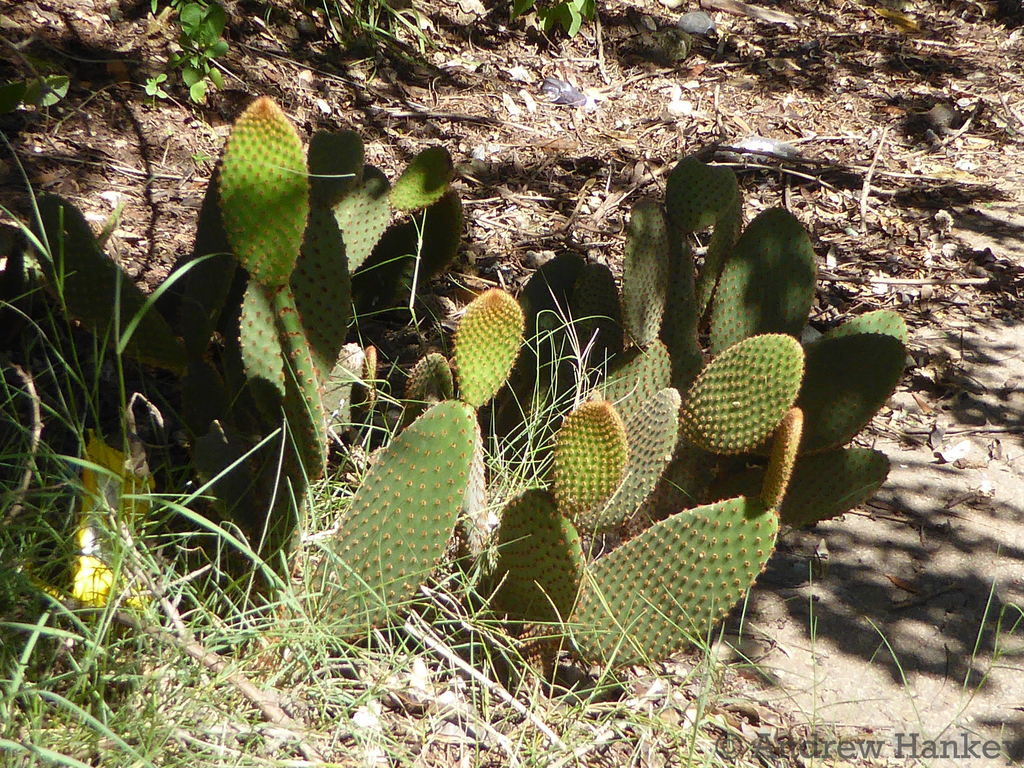
De un vistazo
- Nivel de cuidados
- Fácil
- Tipo de planta
- Suculenta
- Luz
- Sol pleno
- Luz en interior
- Sol directo
- Riego
- Cada 14 a 30 días
- Tamaño adulto
- 2 a 3 pies
- Ritmo de crecimiento
- Lento
- Rusticidad
- USDA 9 a 11
- Floración
- Finales de primavera a principios de verano
Cuidados
Siempre usa una mezcla para cactus que drene bien para prevenir la pudrición de las raíces. Ten mucho cuidado al manipularla, ya que las diminutas púas se desprenden fácilmente y se pegan a la piel. Si las almohadillas empiezan a verse arrugadas, probablemente está pidiendo agua.
- Riego
- Deja que la tierra se seque completamente entre riegos para mantener las raíces sanas.
- Abonado
- Alimenta con un fertilizante equilibrado para cactus durante la temporada de crecimiento activo.
- Poda
- Poda solo si necesitas quitar almohadillas dañadas o controlar el tamaño.
- Trasplante
- Trasplanta solo cuando la planta haya superado claramente su contenedor actual.
- Suelo
- Mezcla arenosa para cactus que drene bien
- pH del suelo
- 6.0 a 7.5
- Temperatura
- -7 a 45°C
- Humedad
- 10 a 40%
- Tolerancia a la sequía
- Alta
- Longevidad
- Perenne, típicamente de 10 a 20 años
- Resistencia a ciervos y conejos
- Alta
Señales de que necesita trasplante
- Raíces que crecen fuera del agujero de drenaje.
- La planta se ha vuelto pesada en la parte superior.
- La tierra ya no drena bien.
Seguridad
- Personas
- La planta no es tóxica, pero los gloquidios causan irritación significativa en la piel y mucosas.
- Mascotas
- Los diminutos gloquidios, parecidos a pelos, pueden causar una irritación significativa en la piel y la boca de las mascotas si se tocan o ingieren.
- Niños
- Mantén esta planta bien fuera del alcance de los niños, ya que los gloquidios son dolorosos y difíciles de quitar de la piel.
- Alérgenos por contacto
- Los diminutos gloquidios con púas causan picazón intensa y dermatitis al contacto con la piel.
- Alérgenos en el aire
- Ninguno.
- Comestibilidad
- Los gloquidios son extremadamente irritantes para la garganta y el tracto digestivo si se ingieren.
Cómo identificarla
- Almohadillas planas y circulares de color verde
- Ramilletes de gloquidios dorados
- Ausencia de espinas grandes
- Pequeñas flores amarillas en verano
- Altura
- 0,3 a 0,6m
- Anchura
- 0,3 a 0,9m
- Hojas
- verde, siempreverde
- Flores
- amarillo, 3 a 5cm
- Frutos
- rojo, morado, Finales de verano
Problemas a vigilar
- Cochinillas algodonosasComún
- Podredumbre radicularComún
- Araña rojaPoco común
- EdemaPoco común
- Pudrición de raíz — Causada por exceso de riego o mal drenaje.
Revisa tu cactus oreja de conejo con una foto
Pocket Botanist mira una foto de tu planta y te dice qué le pasa y qué probar primero.
Cómo cultivarla
- Propagación
- esquejes, semilla
- Cuándo plantar
- primavera, verano
- Cuidados en invierno
- Mantén la planta seca y en un lugar fresco durante el invierno para fomentar la dormancia. Evita las temperaturas bajo cero si es posible.
- En maceta
- Crece muy bien en macetas, siempre que el recipiente tenga un excelente drenaje y tenga al menos 15 cm de ancho.
Esquejes de paleta
- 1. Usa guantes para retirar con cuidado una paleta sana.
- 2. Deja que el extremo cortado se cale durante unos días en un lugar seco.
- 3. Planta el extremo calloso en tierra para cactus con buen drenaje.
- 4. Espera una semana antes de regar ligeramente.
Agrupa con otras suculentas que requieran un mínimo de agua para evitar el riego excesivo accidental.
Buenas compañeras
- Agave — Comparten requisitos similares de agua y luz.
- Sábila — Prosperan en las mismas condiciones áridas y con buen drenaje.
Especies parecidas
- Nopal — Es un pariente más grande con frutos comestibles.
Ciencia
- Familia
- Cactaceae
- Género
- Opuntia
- Orden
- Caryophyllales
- Clase
- Magnoliopsida
- Distribución natural
- Norte y centro de México.
- Conservación
- Actualmente no amenazado en la naturaleza.
Sobrevive en ambientes áridos del desierto almacenando agua en sus paletas suculentas.
- Valor para la fauna
- fuente de néctar
- Polinizadores
- abejas
- Usos
- ornamental, planta de maceta, jardín desértico
A lo largo del año
Indicadores ecológicos
- Salinidad
- 2/9
- Reacción del suelo
- 6/9
- Luz
- 8/9
- Temperatura
- 8/9
- Humedad
- 1/9
- Nutrientes
- 2/9
Taxonomía cotejada con GBIF.
Lo que más preguntan
- ¿Con qué frecuencia debo regarlo?
- Riega solo cuando la tierra se haya secado por completo.
- ¿Son peligrosos los gloquidios?
- No son venenosos, pero son muy dolorosos y causan irritación en la piel.
De dónde viene el nombre
Opuntia lleva el nombre de una antigua ciudad griega, mientras que microdasys se refiere a la apariencia pequeña y peluda de los gloquidios.
Bueno saberlo
- Comúnmente se le llama cactus oreja de conejo por la forma de sus paletas.
- Los gloquidios son en realidad hojas modificadas.
- Prospera con luz solar muy brillante y directa.
- Es nativo de las regiones áridas del norte de México.
También en
Que tu cactus oreja de conejo siga creciendo
Esta página es una guía general. Guarda tu planta en Pocket Botanist y tendrás recordatorios de cuidado pensados para esta planta, además de un historial de cuidados que muestra qué ha funcionado.
Esta guía se ha generado con IA y se ha cotejado con la taxonomía de GBIF. Es información general, no asesoramiento botánico ni veterinario. Descubre cómo elaboramos estas guías.