 Pocket Botanist
Guide botanique
Opuntia à oreilles de lapin.
Opuntia microdasys
Prononciation oh-PUN-tee-uh my-kro-DAY-sis
Aussi appelée Ailes d'ange, Opuntia à oreilles de lapin, Œil de bœuf, Dwarf Cactus, Cactus de jardin, Cactus ours en peluche, Oreilles de lapin jaunes, Oreilles de lapin jaunes


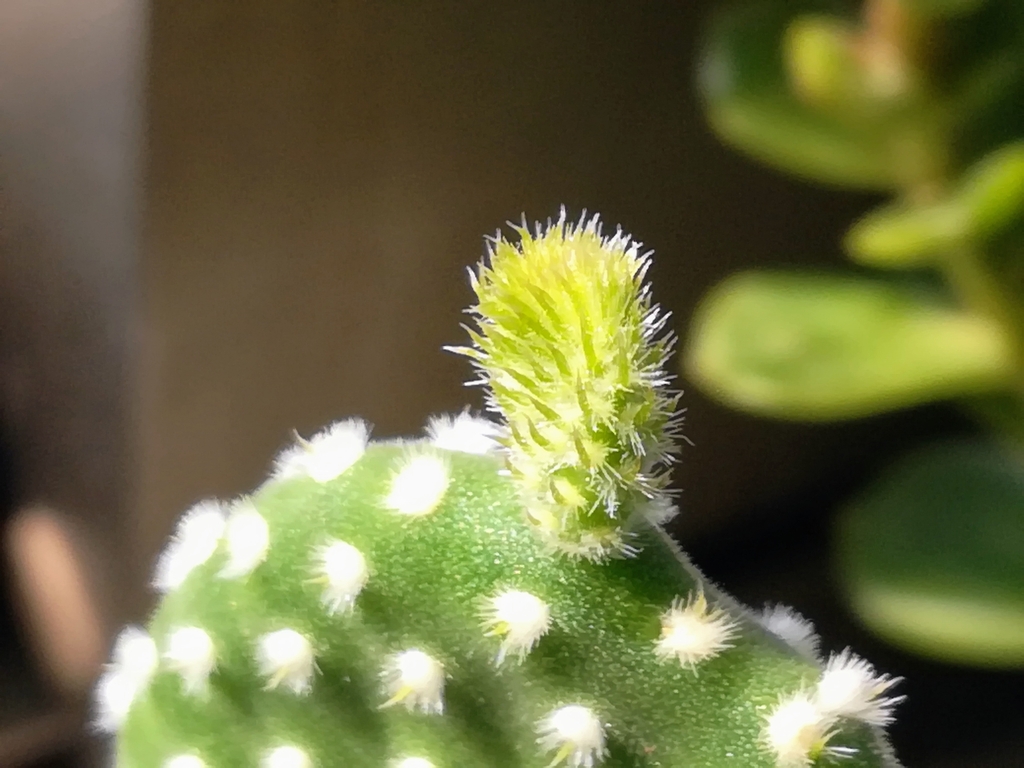
Ce charmant cactus est célèbre pour ses tiges plates, semblables à des coussinets, qui ressemblent à des oreilles de lapin. C'est une plante native du désert qui adore le soleil. Vous la trouverez très indulgente si vous la gardez au sec.
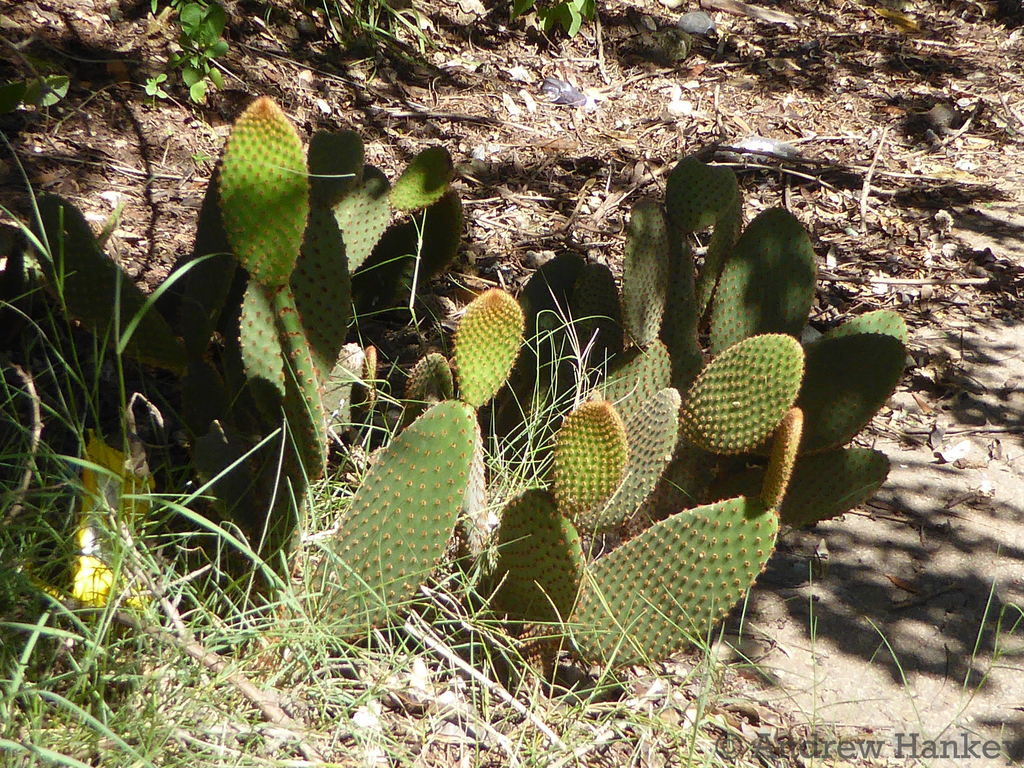
En un coup d'œil
- Niveau d'entretien
- Facile
- Type de plante
- Succulente
- Lumière
- Plein soleil
- Lumière en intérieur
- Soleil direct
- Arrosage
- Tous les 14 à 30 jours
- Taille adulte
- 2 à 3 pieds
- Croissance
- Lente
- Rusticité
- USDA 9 à 11
- Floraison
- Fin du printemps au début de l'été
Entretien
Utilisez toujours un mélange bien drainant pour cactus afin d'éviter la pourriture des racines. Soyez très prudent lors de la manipulation, car les minuscules soies se détachent facilement et adhèrent à la peau. Si les coussinets commencent à paraître ratatinés, c'est qu'elle a probablement soif.
- Arrosage
- Laissez le sol sécher complètement entre les arrosages pour maintenir les racines en bonne santé.
- Engrais
- Nourrissez avec un engrais équilibré pour cactus pendant la saison de croissance active.
- Taille
- Taillez uniquement si vous avez besoin de retirer des coussinets abîmés ou de contrôler la taille.
- Rempotage
- Rempotez uniquement lorsque la plante a clairement dépassé son pot actuel.
- Sol
- Mélange sableux bien drainant pour cactus
- pH du sol
- 6.0 à 7.5
- Température
- -7 à 45°C
- Humidité
- 10 à 40%
- Résistance à la sécheresse
- Élevée
- Durée de vie
- Vivace, généralement 10 à 20 ans
- Résistance aux chevreuils et lapins
- Élevée
Signes qu'il faut rempoter
- Les racines sortent du trou de drainage.
- La plante est devenue trop lourde.
- Le sol ne draine plus bien.
Sécurité
- Humains
- La plante est non toxique, mais les glochides causent une irritation importante de la peau et des muqueuses.
- Animaux
- Les minuscules glochides semblables à des poils peuvent provoquer une irritation importante de la peau et de la bouche des animaux domestiques s'ils sont touchés ou ingérés.
- Enfants
- Gardez cette plante hors de portée des enfants car les glochides sont douloureux et difficiles à retirer de la peau.
- Allergènes de contact
- Les minuscules glochides barbelés provoquent des démangeaisons intenses et une dermatite au contact de la peau.
- Allergènes aéroportés
- Aucun.
- Comestibilité
- Les glochides sont extrêmement irritants pour la gorge et le tube digestif s'ils sont ingérés.
Comment l'identifier
- Coussinets verts plats et circulaires
- Aglomérats de glochides dorés
- Absence de grosses épines
- Petites fleurs jaunes en été
- Hauteur
- 0,3 à 0,6m
- Envergure
- 0,3 à 0,9m
- Feuilles
- vert, evergreen
- Fleurs
- jaune, 3 à 5cm
- Fruits
- rouge, violet, Fin de l'été
Problèmes à surveiller
- Cochenilles farineusesCourant
- Pourriture des racinesCourant
- ŒdèmePeu courant
- TétranyquesPeu courant
- Cochenilles — De petits insectes blancs cotonneux qui sucent la sève des raquettes.
Par symptôme
Vérifie la santé de ta plante en photo
Pocket Botanist analyse une photo de ta plante et te dit ce qui ne va pas et quoi essayer en premier.
La cultiver
- Multiplication
- boutures, semis
- Quand planter
- printemps, été
- Hivernage
- Conservez la plante au sec et dans un endroit frais pendant l'hiver pour encourager la dormance. Évitez les températures glaciales si possible.
- En pot
- Il pousse très bien en pots, à condition que le récipient ait un excellent drainage et qu'il ait au moins 15 cm de large.
Boutures de raquettes
- 1. Utilisez des gants pour retirer délicatement une raquette saine.
- 2. Laissez l'extrémité coupée se cicatriser pendant quelques jours dans un endroit sec.
- 3. Plantez l'extrémité cicatrisée dans un terreau pour cactus bien drainant.
- 4. Attendez une semaine avant d'arroser légèrement.
Regroupez-le avec d'autres succulentes qui nécessitent peu d'eau pour éviter un arrosage excessif accidentel.
Bonnes associations
- Agave — Ils partagent des besoins similaires en eau et en lumière.
- Aloès — Ils prospèrent dans les mêmes conditions arides et bien drainées.
Espèces similaires
- Prickly pear — C'est un parent plus grand avec des fruits comestibles.
Science
- Famille
- Cactaceae
- Genre
- Opuntia
- Ordre
- Caryophyllales
- Classe
- Magnoliopsida
- Région d'origine
- Nord et centre du Mexique.
- Préservation
- Pas menacé actuellement à l'état sauvage.
Il survit dans les environnements désertiques arides en stockant de l'eau dans ses raquettes succulentes.
- Intérêt pour la faune
- source de nectar
- Pollinisateurs
- abeilles
- Utilisations
- ornemental, plante en pot, jardin désertique
Au fil des saisons
Repères écologiques
- Salinité
- 2/9
- Réaction du sol
- 6/9
- Lumière
- 8/9
- Température
- 8/9
- Humidité
- 1/9
- Nutriments
- 2/9
Taxonomie vérifiée avec le GBIF.
Ce qu'on demande souvent
- À quelle fréquence dois-je l'arroser ?
- Arrosez uniquement lorsque le sol a complètement séché.
- Les glochides sont-elles dangereuses ?
- Elles ne sont pas venimeuses, mais elles sont très douloureuses et provoquent une irritation cutanée.
D'où vient le nom
Opuntia est nommé d'après une ancienne ville grecque, tandis que microdasys fait référence à l'apparence petite et poilue des glochides.
Bon à savoir
- Il est communément appelé le cactus oreilles de lapin en raison de la forme de ses raquettes.
- Les glochides sont en réalité des feuilles modifiées.
- Il prospère sous une lumière solaire directe et très vive.
- Il est originaire des régions arides du nord du Mexique.
Aussi dans
Garde ta plante en pleine forme
Cette page est un guide général. Enregistre ta plante dans Pocket Botanist et tu reçois des rappels d'entretien adaptés à cette plante, ainsi qu'un historique d'entretien qui montre ce qui a marché.
Ce guide a été généré par IA et vérifié avec la taxonomie du GBIF. Il s'agit d'informations générales, et non de conseils horticoles ou vétérinaires. Découvre comment nous concevons ces guides.