 Pocket Botanist
Pflanzenratgeber
Bunny Ears Cactus.
Opuntia microdasys
Aussprache oh-PUN-tee-uh my-kroh-DAY-sis
Auch bekannt als Angel's-wings, Bunny Ears Cactus, Cow-Blinder, Dwarf Cactus, Garden-Cactus, Teddy Bear Cactus, Yellow Bunny Ears, Yellow Bunny-Ears


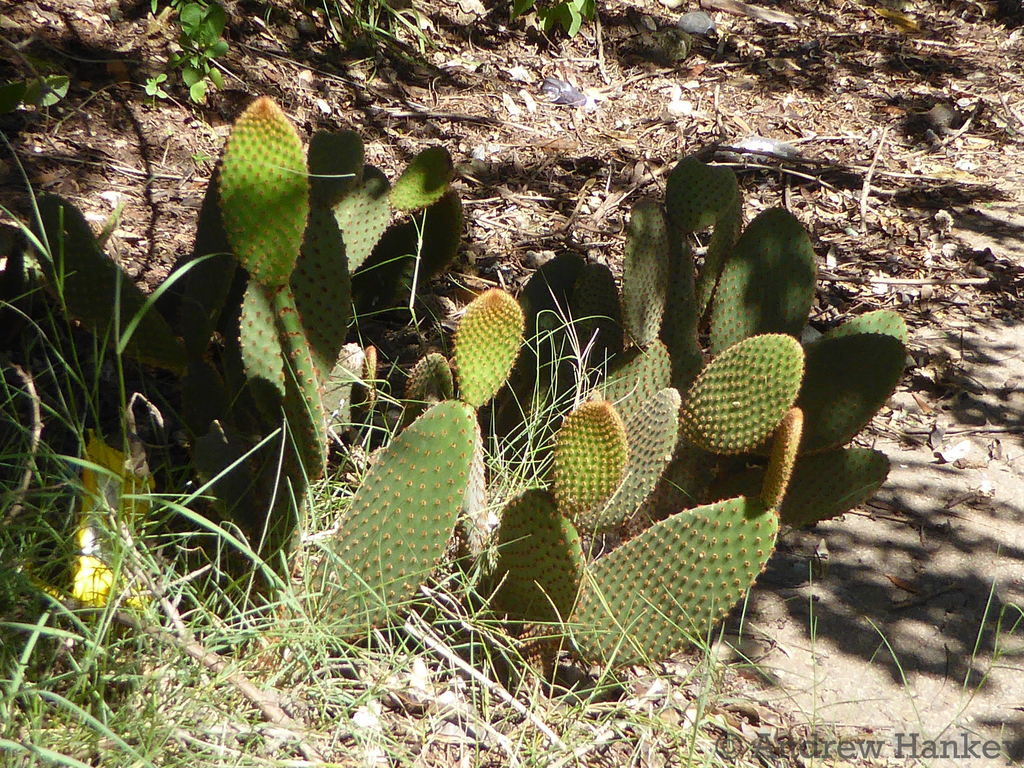
This popular cactus is known for its distinctive flat, paddle-like segments covered in clusters of glochids, resembling bunny ears. It's a relatively easy-care plant that adds a unique, quirky touch to any collection.
Auf einen Blick
- Care level
- Easy
- Plant type
- Succulent Cacti
- Light
- Full sun
- Indoor light
- direct
- Mature size
- Up to 2 feet tall and 3 feet wide
- Growth rate
- medium
Pflege
Provide very bright light, preferably direct sun, and water sparingly only when the soil is completely dry. Use a well-draining cactus or succulent mix and a pot with drainage holes. Protect your hands from glochids when handling.
- Soil
- Sandy, gritty, well-draining cactus mix
- Soil pH
- Slightly acidic to neutral (6.0-7.0)
Sicherheit
- People
- Glochiden können Hautreizungen verursachen und müssen möglicherweise mit einer Pinzette oder Klebeband entfernt werden. Suchen Sie ärztliche Hilfe auf, wenn die Reizung anhält oder wenn die Pflanze verschluckt wird.
- Pets
- Can cause irritation to pets if ingested or if glochids embed in skin or mouth.
- Edibility
- Die Früchte von Opuntia-Arten, bekannt als Kaktusfeigen, sind essbar, nachdem Glochiden und Dornen sorgfältig entfernt wurden. Diese Art ist jedoch hauptsächlich Zierpflanze und wird normalerweise nicht als Nahrungsmittel angebaut.
So erkennst du die Pflanze
- Segmented, pad-like stems
- Covered in dense glochid clusters
- Glochids are barbed and numerous
- No prominent spines
- Yellow to white glochids
- Can produce flowers near stem tips
Häufige Probleme
Gute Pflanzpartner
- Aloe Vera — Both succulents thrive in bright light and require infrequent watering, making them compatible companions in a sunny spot.
- Echeveria — These rosette-forming succulents prefer similar well-draining soil and bright light conditions.
- Haworthia — Haworthias can tolerate slightly less intense light than Opuntia, so they can be grouped if the Opuntia is not in harsh, direct afternoon sun.
Ähnliche Arten
- Prickly Pear Cactus — Many Opuntia species share similar paddle-like segments, though spine and glochid characteristics can vary.
- Engelmann's Prickly Pear — This species also has pads but typically features more prominent, longer spines in addition to glochids.
- Spineless Prickly Pear — This cultivar is similar in pad shape but is specifically bred to have fewer and shorter spines, making it easier to handle.
Botanisches
- Family
- Cactaceae
- Genus
- Opuntia
- Order
- Caryophyllales
- Class
- Magnoliopsida
Taxonomie abgeglichen mit GBIF.
Gut zu wissen
- Die 'Dornen' bei Opuntia microdasys sind eigentlich modifizierte Blätter, Glochiden genannt. Sie sind winzig, borstig und lösen sich leicht ab, was bei Berührung sehr reizend sein kann.
Auch in
Geht es deiner bunny ears cactus nicht gut?
Diese Seite bietet allgemeine Infos. Pocket Botanist erkennt Probleme anhand eines Fotos deiner echten Pflanze, passt das Gießen an dein Licht und deinen Standort an und erinnert dich an die Pflege.
Dieser Ratgeber wurde mit KI erstellt und mit der GBIF-Taxonomie abgeglichen. Er dient zur allgemeinen Information und ersetzt keine gärtnerische oder tierärztliche Beratung. Hier erfährst du, wie wir diese Ratgeber erstellen.