 Pocket Botanist
Plant guide
Mulberry.
Morus L.
Pronounced MOR-us
Also known as Mulberries, Mulberry


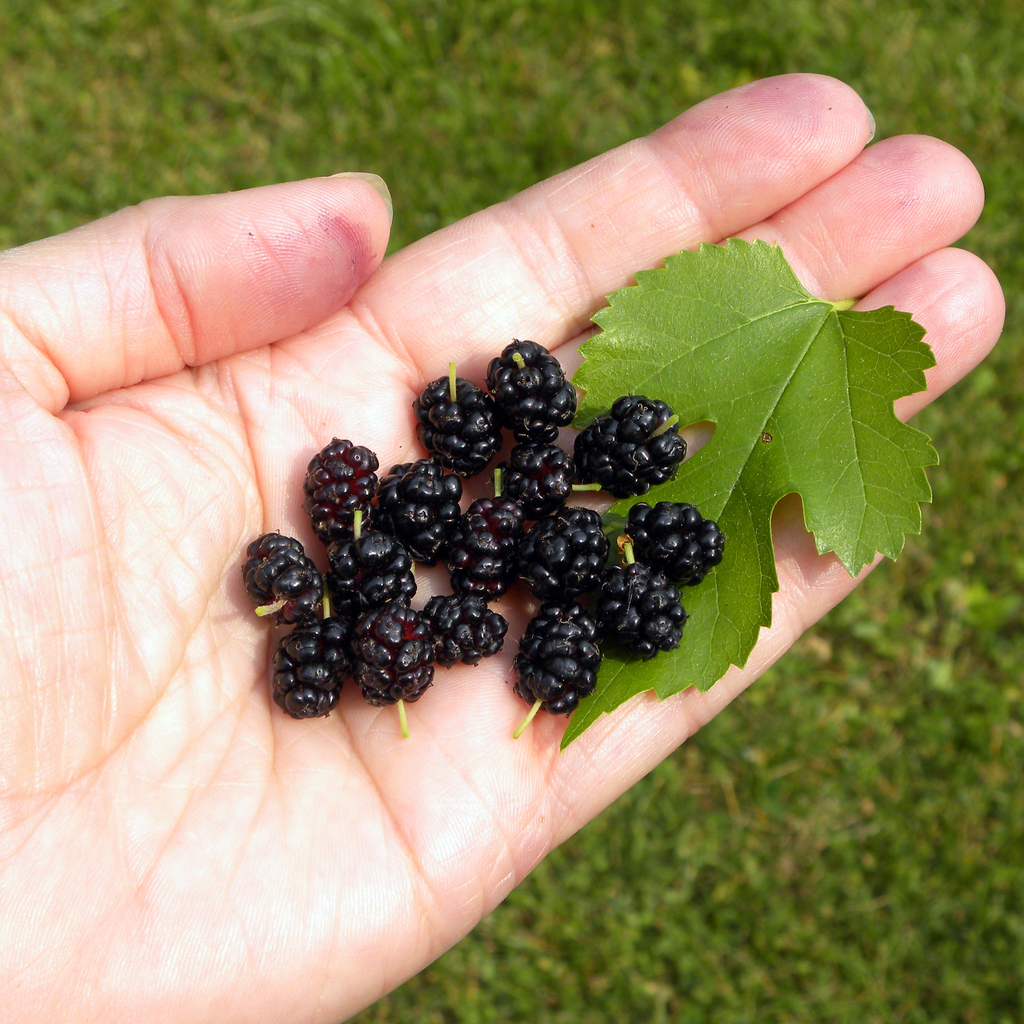
Mulberries are hardy, fast growing trees that produce delicious, berry like fruit. They are quite adaptable to various soil types and thrive in sunny locations. You will enjoy their lush foliage and the sweet harvest they provide in late spring or summer.
At a glance
- Care level
- Easy
- Plant type
- Deciduous tree
- Light
- Full sun
- Indoor light
- direct
- Water
- Every 7 to 14 days
- Mature size
- 10 to 20 meters
- Growth rate
- fast
- Hardiness
- USDA 4 to 9
- Bloom time
- Mid to late spring
Care
Plant in a spot with plenty of sun to ensure the best fruit production. Keep the soil consistently moist while the tree is young, but mature trees are fairly drought tolerant. Watch for signs of yellowing leaves which may indicate poor drainage or nutrient deficiency.
- Watering
- Water deeply during dry spells to support fruit development.
- Feeding
- Apply a balanced fertilizer in early spring before new growth begins.
- Pruning
- Prune during the dormant winter season to maintain shape and remove dead wood.
- Repotting
- Repot only if grown in a container, otherwise keep in the ground.
- Soil
- Well draining, loamy soil
- Soil pH
- 6.0 to 7.5
- Temperature
- -25 to 35°C
- Humidity
- 40 to 70%
- Drought tolerance
- moderate
- Lifespan
- Perennial, typically 50 to 100 years.
- Deer and rabbits
- moderate
Signs it needs repotting
- Roots circling the bottom of the pot.
- Water running straight through the soil.
- Noticeable decline in growth rate.
Safety
- People
- The milky latex sap found in the leaves and stems can cause skin irritation or dermatitis in sensitive individuals.
- Pets
- The plant is generally considered non toxic, but the sap can occasionally cause mild skin irritation.
- Children
- The fruit can stain clothing and skin, and the sap should be kept away from eyes and mouths.
- Contact allergens
- The milky sap can cause contact dermatitis upon skin exposure.
- Airborne allergens
- The pollen is highly allergenic and can trigger significant respiratory symptoms during the spring.
- Edibility
- While the fruit is edible, unripe berries and the milky sap from stems can cause stomach upset or hallucinations if consumed in large quantities.
How to identify it
- Heart shaped or lobed leaves
- Rough, textured bark on mature trees
- Small, catkin like flower clusters
- Edible, blackberry like aggregate fruits
- Height
- 6 to 20m
- Spread
- 4 to 15m
- Leaves
- green, deciduous
- Flowers
- green, white, 1 to 3cm
- Fruit
- red, purple, black, white, Late spring to summer
Common problems
- Popcorn disease — A fungal infection that causes the fruit to swell and look like popcorn.
- Scale insects — Small insects that attach to branches and suck sap, weakening the tree.
Growing it
- Propagation
- cuttings, seed, grafting
- When to plant
- spring, autumn
- Overwintering
- Mulberries are hardy and require no special protection in winter, though young trees may benefit from a layer of mulch around the base.
- In containers
- Mulberries are generally too large for long term container growth, though dwarf cultivars can thrive in large pots of at least 20 gallons.
Hardwood cuttings
- Take 8 to 10 inch cuttings in late winter.
- Dip the base in rooting hormone.
- Plant in a well draining potting mix.
- Keep moist until roots develop in spring.
Plant understory shrubs that tolerate partial shade to maximize space beneath the wide canopy.
Grows well with
- Elderberry — They share similar moisture needs and thrive in the same woodland edge conditions.
- Currants — These shrubs appreciate the dappled shade provided by a mature mulberry canopy.
Similar species
- Paper Mulberry — It has similar leaf shapes but is often considered invasive in many regions.
Science
- Family
- Moraceae
- Genus
- Morus
- Order
- Rosales
- Class
- Magnoliopsida
- Native range
- Temperate and subtropical regions of Asia, Europe, and North America.
- Conservation
- Most common species are widespread, though some local populations of native species face threats from hybridization with introduced varieties.
These trees are opportunistic colonizers that thrive in disturbed soils and forest edges.
- Value to wildlife
- fruit source for birds, nesting cover
- Pollinators
- bees, beetles
- Uses
- edible fruit, ornamental shade tree, wildlife habitat
Through the year
Ecological indicators
- Salinity
- 2/9
- Soil reaction
- 6/9
- Light
- 7/9
- Temperature
- 5/9
- Moisture
- 5/9
- Nutrients
- 6/9
Taxonomy resolved against GBIF.
Questions people ask
- Do all mulberries produce fruit?
- No, some cultivars are specifically bred to be fruitless to avoid the mess of falling berries.
- How fast do they grow?
- Mulberries are generally fast growing trees that can add several feet of height per year.
Where the name comes from
The genus name Morus is the classical Latin name for the mulberry tree. The common name comes from the Middle English word 'murberie'.
Good to know
- Mulberry trees can live for over 100 years.
- The fruit is technically a multiple fruit, not a berry.
- Mulberry wood is prized for its durability and beautiful color.
Is your mulberry looking unwell?
This page is a general guide. Pocket Botanist diagnoses problems from a photo of your actual plant, works out watering for your light and conditions, and reminds you when care is due.
This guide was generated with AI and checked against GBIF taxonomy. It is general information, not horticultural or veterinary advice. Read about how we build these guides.