 Pocket Botanist
Plant guide
Water Spinach.
Ipomoea aquatica
Pronounced eye-po-MEE-uh uh-KWAT-ih-kuh
Also known as Chinese water-spinach, Chinese waterspinach, Kalmi, Swamp cabbage, Swamp morning-glory, Water Morning Glory, Water spinach, Water spinach, River spinach, Water morning glory, Water convolvulus


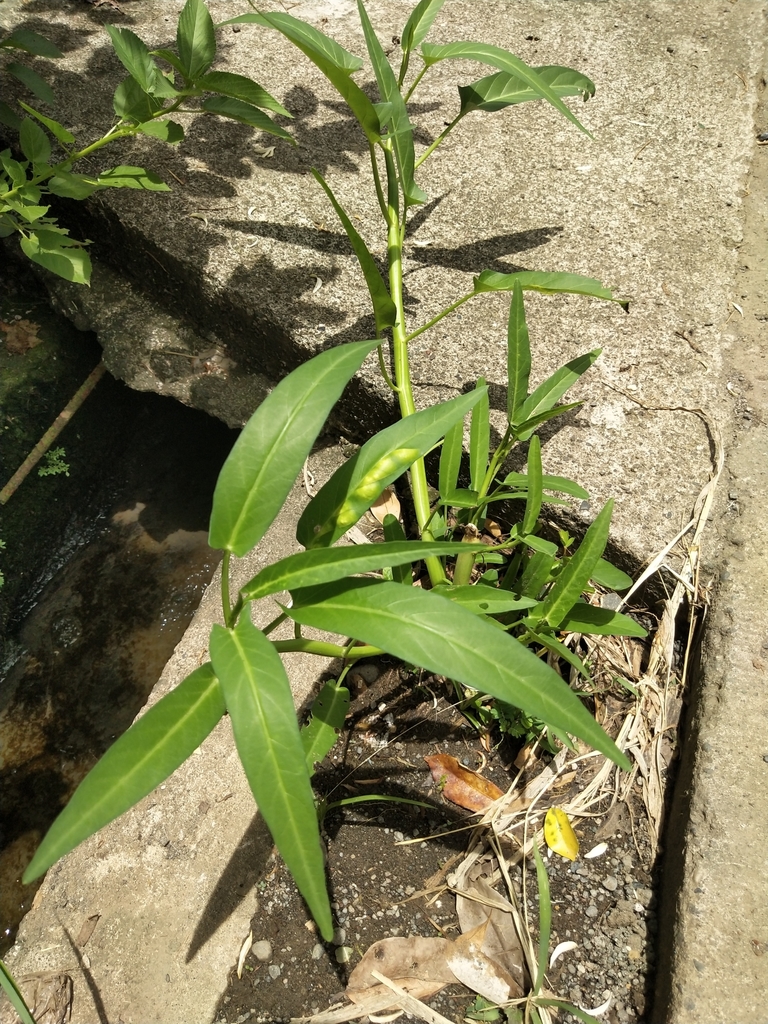
Water spinach is a fast growing tropical vine that loves moisture. It is widely grown as a leafy vegetable in many parts of the world. You will find it thrives best when its roots are kept constantly wet.
At a glance
- Care level
- Easy
- Plant type
- Aquatic vegetable
- Light
- Full sun to partial shade
- Indoor light
- Bright indirect
- Water
- Every 1 to 2 days
- Mature size
- 3 to 10 feet
- Growth rate
- Fast
- Hardiness
- USDA 10 to 12
- Bloom time
- Summer to early autumn
Care
Keep the soil saturated or grow the plant directly in water to mimic its natural wetland habitat. Watch for yellowing leaves, which often signal a need for more nutrients or better light. Ensure the water stays fresh to prevent any issues with stagnation.
- Watering
- The soil must remain consistently waterlogged or submerged.
- Feeding
- Use a balanced liquid fertilizer to keep the foliage lush.
- Pruning
- Trim the stems regularly to encourage bushier growth and prevent it from becoming too leggy.
- Repotting
- Repot if the plant becomes root bound in its container or if you are moving it to a larger water feature.
- Soil
- Rich, loamy, or aquatic soil
- Soil pH
- 5.5 to 7.0
- Temperature
- 15 to 35°C
- Humidity
- 70 to 95%
Safety
- People
- The plant is generally considered safe for consumption when cooked, though raw ingestion is discouraged due to potential waterborne pathogens.
- Children
- Ensure children do not play in the water where this plant grows, as it may harbor bacteria or parasites.
- Contact allergens
- Contact with the sap may cause mild skin irritation in sensitive individuals.
- Airborne allergens
- Pollen may cause mild reactions in those with severe seasonal allergies.
- Edibility
- Water spinach must be cooked thoroughly to eliminate the risk of parasites like Fasciolopsis buski that can thrive in contaminated water.
How to identify it
- Long, arrow shaped leaves
- Hollow, floating stems
- Trumpet shaped white or pink flowers
- Creeping or trailing growth habit
- Height
- 0.1 to 0.3m
- Spread
- 1 to 3m
- Leaves
- green, deciduous
- Flowers
- white, lavender, 3 to 5cm
- Fruit
- brown, Summer to autumn
Common problems
- White rust — Fungal infection causing white pustules on the undersides of leaves.
- Aphids — Small insects that suck sap from new growth.
Growing it
- Propagation
- cuttings, seed
- When to plant
- spring, summer
Keep this plant isolated in its own container to prevent it from outcompeting other species in your garden.
Grows well with
- Water hyacinth — They share similar aquatic growing requirements.
Similar species
- Sweet potato — They are closely related and share similar leaf shapes.
Science
- Family
- Convolvulaceae
- Genus
- Ipomoea
- Order
- Solanales
- Class
- Magnoliopsida
- Native range
- Tropical and subtropical regions of Asia.
- Conservation
- It is considered an invasive species in many parts of the United States and should be grown with caution.
It thrives in marshes, ponds, and slow moving water where it can spread rapidly across the surface.
- Value to wildlife
- nectar source
- Pollinators
- bees, butterflies
- Uses
- culinary vegetable, aquatic groundcover
Through the year
Ecological indicators
- Salinity
- 2/9
- Soil reaction
- 6/9
- Light
- 8/9
- Temperature
- 8/9
- Moisture
- 9/9
- Nutrients
- 7/9
Taxonomy resolved against GBIF.
Questions people ask
- Can I grow this in a regular pot?
- Yes, but it requires a very large container kept constantly saturated with water.
- Is it invasive?
- Yes, it is highly invasive in many warm climates and should never be released into natural waterways.
Where the name comes from
The genus name Ipomoea comes from Greek words meaning worm and likeness, referring to the twining habit of the vines.
Good to know
- It is also known as water morning glory.
- The stems are hollow, which helps the plant float.
- It grows incredibly fast in warm, wet conditions.
- It is a member of the Convolvulaceae family.
Is your water spinach looking unwell?
This page is a general guide. Pocket Botanist diagnoses problems from a photo of your actual plant, works out watering for your light and conditions, and reminds you when care is due.
This guide was generated with AI and checked against GBIF taxonomy. It is general information, not horticultural or veterinary advice. Read about how we build these guides.