 Pocket Botanist
Plant guide
Morning Glory.
Ipomoea
Pronounced ip-oh-MEE-uh
Also known as Morning-glory, Morningglory, morning glory, morning-glories


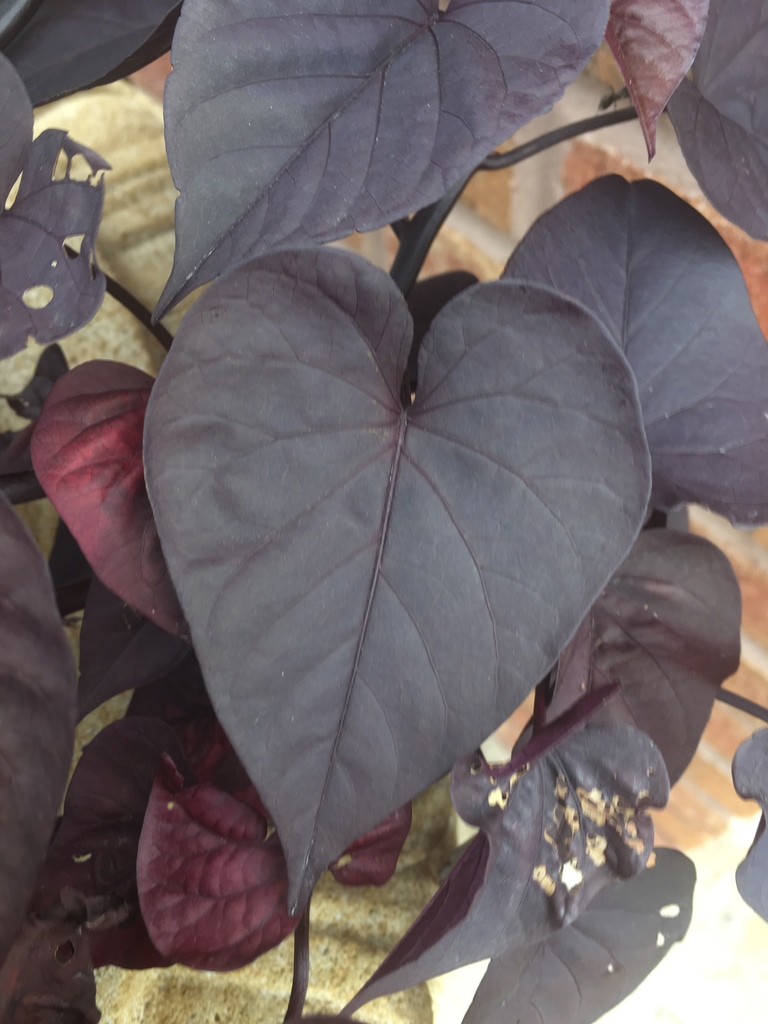
Morning glories are beautiful, fast growing vines that produce trumpet shaped flowers. They love to climb and will quickly cover a trellis or fence in your garden. These plants are famous for opening their blooms in the morning sun.

At a glance
- Care level
- Easy
- Plant type
- Annual vine
- Light
- Full sun
- Indoor light
- Direct sun
- Water
- Every 3 to 7 days
- Mature size
- 10 to 15 feet
- Growth rate
- Fast
- Hardiness
- USDA 9 to 11
- Bloom time
- Early summer to first frost
Care
Provide a sturdy support structure for the vines to climb as they grow. Keep an eye out for yellowing leaves, which often signal that the soil is staying too wet. Ensure they get plenty of sunlight to encourage the best flower production.
- Watering
- Water when the top inch of soil feels dry to the touch.
- Feeding
- Use a balanced liquid fertilizer once a month during the growing season.
- Pruning
- Trim back long vines to encourage bushier growth and remove spent flowers.
- Repotting
- Since these are typically grown as annuals, you usually do not need to repot them.
- Soil
- Well draining, fertile soil
- Soil pH
- 6.0 to 6.8
- Temperature
- 10 to 35°C
- Humidity
- 40 to 70%
- Drought tolerance
- Moderate
- Lifespan
- Annual, completes life cycle in one season.
- Deer and rabbits
- Moderate
Safety
- People
- All parts of the plant are considered toxic if ingested, especially the seeds.
- Pets
- These plants are toxic to cats and dogs if ingested.
- Children
- Keep seeds away from children as they are toxic and pose a choking hazard.
- Contact allergens
- Handling the stems or leaves may cause mild skin irritation in sensitive individuals.
- Airborne allergens
- The pollen is generally not considered a significant airborne allergen.
- Edibility
- The seeds of many Ipomoea species contain alkaloids that cause severe gastrointestinal distress if ingested.
How to identify it
- Heart shaped green leaves
- Trumpet shaped colorful flowers
- Twining stems that climb
- Blooms open in morning sun
- Height
- 2 to 4.5m
- Spread
- 0.6 to 1.2m
- Leaves
- green, deciduous
- Flowers
- blue, purple, pink, white, red, 5 to 10cm
- Fruit
- brown, Late summer to autumn
Problems to watch for
- AphidsCommon
- Leaf SpotCommon
- Powdery MildewUncommon
- RustUncommon
- Slugs and SnailsUncommon
- Spider MitesUncommon
- WhiteflyUncommon
- ChlorosisRare
By symptom
Check your morning glory from a photo
Pocket Botanist looks at a photo of your plant and tells you what's wrong and what to try first.
Growing it
- Propagation
- seed
- When to plant
- spring
- In containers
- They grow very well in pots, provided you use a container at least 30 centimeters deep with a tall trellis.
Provide a strong support structure early so the vines have a clear path to climb without tangling.
Grows well with
Similar species
- Moonflower — It is a close relative that blooms at night instead of during the day.
- Cypress Vine — It features delicate, fernlike foliage and smaller star shaped flowers.
Science
- Family
- Convolvulaceae
- Genus
- Ipomoea
- Order
- Solanales
- Class
- Magnoliopsida
- Native range
- Tropical regions of the Americas.
- Conservation
- None, though some species are considered invasive weeds in certain regions.
These vines use tendrils to climb over other vegetation to reach sunlight in dense tropical habitats.
- Value to wildlife
- nectar source
- Pollinators
- bees, butterflies, moths, hummingbirds
- Uses
- vertical screening, trellis cover, container gardening, pollinator gardens
Through the year
Ecological indicators
- Salinity
- 2/9
- Soil reaction
- 6/9
- Light
- 8/9
- Temperature
- 7/9
- Moisture
- 5/9
- Nutrients
- 5/9
Taxonomy resolved against GBIF.
Questions people ask
- Why are my morning glories not blooming?
- They may be getting too much nitrogen fertilizer, which encourages leaves over flowers.
- Can I grow them in pots?
- Yes, they thrive in containers as long as they have a sturdy trellis to climb.
Where the name comes from
The name Ipomoea comes from the Greek words ips, meaning worm, and homoios, meaning like, referring to the twining habit of the stems.
Good to know
- Morning glories belong to the Convolvulaceae family.
- They are fast growing vines that can climb several feet in a single season.
- The flowers are sensitive to light levels, which triggers their opening and closing cycle.
Also in
Keep your morning glory growing
This page is a general guide. Save your plant in Pocket Botanist and you get care reminders timed for this plant, plus a care history that shows what worked.
This guide was generated with AI and checked against GBIF taxonomy. It is general information, not horticultural or veterinary advice. Read about how we build these guides.