 Pocket Botanist
Guide botanique
Gloire du matin.
Ipomoea
Prononciation ip-oh-MEE-uh
Aussi appelée Gloire du matin, Gloire du matin, Gloire du matin, Gloire du matin


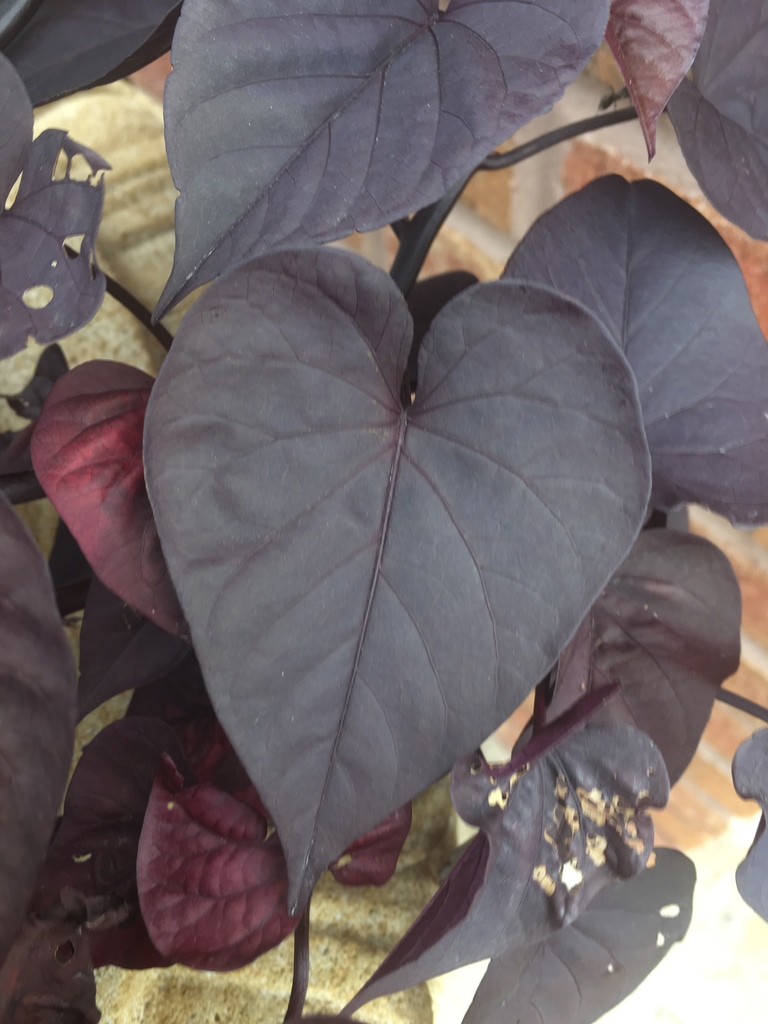
Les gloriettes du matin sont de belles lianes à croissance rapide qui produisent des fleurs en forme de trompette. Elles adorent grimper et couvriront rapidement un treillis ou une clôture dans votre jardin. Ces plantes sont célèbres pour ouvrir leurs fleurs au soleil du matin.

En un coup d'œil
- Niveau d'entretien
- Facile
- Type de plante
- Liane annuelle
- Lumière
- Plein soleil
- Lumière en intérieur
- Soleil direct
- Arrosage
- Tous les 3 à 7 jours
- Taille adulte
- 3 à 4,5 mètres
- Croissance
- Rapide
- Rusticité
- USDA 9 à 11
- Floraison
- Début de l'été jusqu'aux premières gelées
Entretien
Fournissez une structure de support solide pour que les lianes grimpent au fur et à mesure de leur croissance. Gardez un œil sur les feuilles jaunissantes, qui signalent souvent que le sol reste trop humide. Assurez-vous qu'elles reçoivent beaucoup de soleil pour encourager la meilleure production de fleurs.
- Arrosage
- Arrosez lorsque le pouce supérieur de terre est sec au toucher.
- Engrais
- Utilisez un engrais liquide équilibré une fois par mois pendant la saison de croissance.
- Taille
- Taillez les longues tiges pour encourager une croissance plus touffue et retirez les fleurs fanées.
- Rempotage
- Comme elles sont généralement cultivées comme annuelles, vous n'avez généralement pas besoin de les rempoter.
- Sol
- Sol fertile et bien drainé
- pH du sol
- 6.0 à 6.8
- Température
- 10 à 35°C
- Humidité
- 40 à 70%
- Résistance à la sécheresse
- Moyenne
- Durée de vie
- Annuelle, termine son cycle de vie en une saison.
- Résistance aux chevreuils et lapins
- Moyenne
Sécurité
- Humains
- Toutes les parties de la plante sont considérées comme toxiques si ingérées, en particulier les graines.
- Animaux
- Ces plantes sont toxiques pour les chats et les chiens en cas d'ingestion.
- Enfants
- Tenez les graines hors de portée des enfants car elles sont toxiques et présentent un risque d'étouffement.
- Allergènes de contact
- La manipulation des tiges ou des feuilles peut provoquer une légère irritation cutanée chez les personnes sensibles.
- Allergènes aéroportés
- Le pollen n'est généralement pas considéré comme un allergène aéroporté significatif.
- Comestibilité
- Les graines de nombreuses espèces d'Ipomoea contiennent des alcaloïdes qui provoquent de graves troubles gastro-intestinaux si ingérées.
Comment l'identifier
- Feuilles vertes en forme de cœur
- Fleurs colorées en forme de trompette
- Tiges volubiles qui grimpent
- Les fleurs s'ouvrent au soleil du matin
- Hauteur
- 2 à 4,5m
- Envergure
- 0,6 à 1,2m
- Feuilles
- vert, caduc
- Fleurs
- bleu, violet, rose, blanc, rouge, 5 à 10cm
- Fruits
- brun, Fin de l'été à l'automne
Problèmes à surveiller
- PuceronsCourant
- Taches foliairesCourant
- AleurodesPeu courant
- Limaces et escargotsPeu courant
- OïdiumPeu courant
- RouillePeu courant
- TétranyquesPeu courant
- ChloroseRare
- Taches foliaires fongiques — Des taches sombres apparaissant sur le feuillage dues à une humidité élevée et à une mauvaise circulation de l'air.
Vérifie la santé de ta plante en photo
Pocket Botanist analyse une photo de ta plante et te dit ce qui ne va pas et quoi essayer en premier.
La cultiver
- Multiplication
- semence
- Quand planter
- printemps
- En pot
- Elles poussent très bien en pots, à condition d'utiliser un pot d'au moins 30 centimètres de profondeur avec un grand treillis.
Fournissez une structure de support solide tôt afin que les plantes grimpantes aient un chemin clair pour grimper sans s'emmêler.
Bonnes associations
Espèces similaires
- Ipomoea alba — C'est une parente proche qui fleurit la nuit au lieu du jour.
- Ipomoea quamoclit — Il présente un feuillage délicat semblable à des fougères et des fleurs étoilées plus petites.
Science
- Famille
- Convolvulaceae
- Genre
- Ipomoea
- Ordre
- Solanales
- Classe
- Magnoliopsida
- Région d'origine
- Régions tropicales des Amériques.
- Préservation
- Aucun, bien que certaines espèces soient considérées comme des mauvaises herbes envahissantes dans certaines régions.
Ces plantes grimpantes utilisent des vrilles pour grimper sur d'autres végétaux afin d'atteindre la lumière du soleil dans les habitats tropicaux denses.
- Intérêt pour la faune
- source de nectar
- Pollinisateurs
- abeilles, papillons, papillons de nuit, colibris
- Utilisations
- brise-vue vertical, couverture de treillis, jardinage en conteneur, jardins pour pollinisateurs
Au fil des saisons
Repères écologiques
- Salinité
- 2/9
- Réaction du sol
- 6/9
- Lumière
- 8/9
- Température
- 7/9
- Humidité
- 5/9
- Nutriments
- 5/9
Taxonomie vérifiée avec le GBIF.
Ce qu'on demande souvent
- Pourquoi mes ipomées ne fleurissent-elles pas ?
- Il se peut qu'elles reçoivent trop d'engrais azoté, ce qui favorise les feuilles au détriment des fleurs.
- Puis-je les cultiver en pots ?
- Oui, elles prospèrent en pots tant qu'elles disposent d'un treillis solide pour grimper.
D'où vient le nom
Le nom Ipomoea vient des mots grecs 'ips', qui signifie ver, et 'homoios', qui signifie semblable, faisant référence à l'habitude de volute des tiges.
Bon à savoir
- Les ipomées appartiennent à la famille des Convolvulaceae.
- Ce sont des plantes grimpantes à croissance rapide qui peuvent grimper sur plusieurs mètres en une seule saison.
- Les fleurs sont sensibles aux niveaux de lumière, ce qui déclenche leur cycle d'ouverture et de fermeture.
Aussi dans
Garde ta plante en pleine forme
Cette page est un guide général. Enregistre ta plante dans Pocket Botanist et tu reçois des rappels d'entretien adaptés à cette plante, ainsi qu'un historique d'entretien qui montre ce qui a marché.
Ce guide a été généré par IA et vérifié avec la taxonomie du GBIF. Il s'agit d'informations générales, et non de conseils horticoles ou vétérinaires. Découvre comment nous concevons ces guides.