 Pocket Botanist
Guía de plantas
Don Diego de día.
Ipomoea
Pronunciación ip-oh-MEE-uh
También se conoce como Don Diego de día, Don Diego de día, Don Diego de día, Don Diego de día


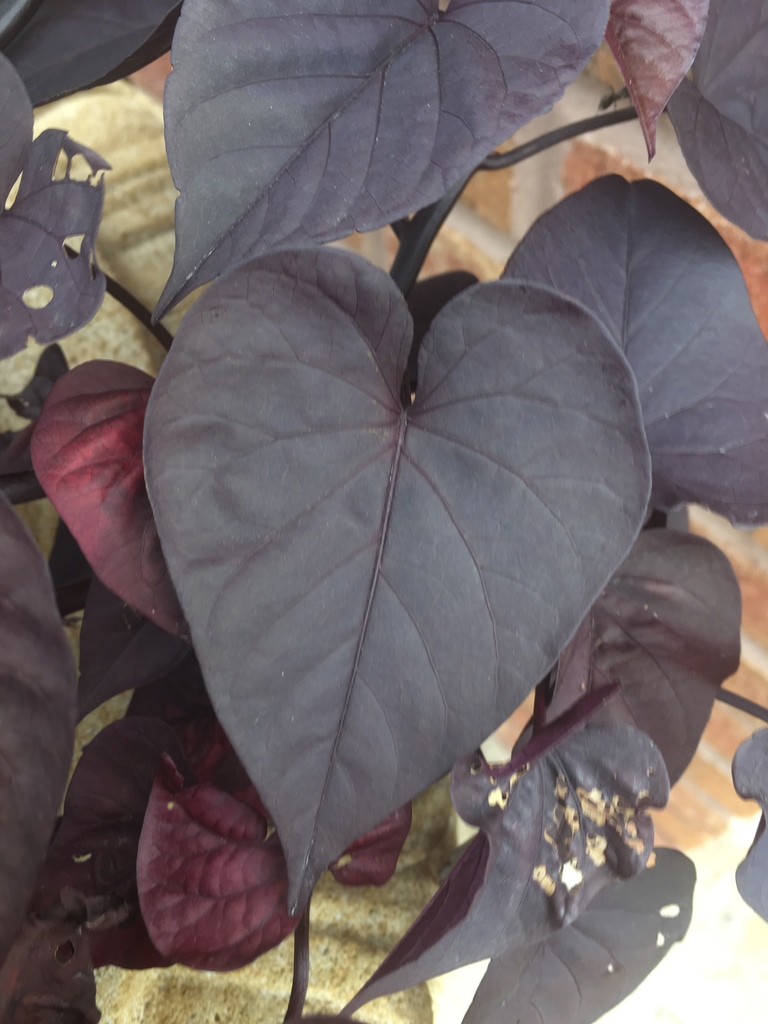
Las "Don Diego de día" son enredaderas hermosas y de crecimiento rápido que producen flores en forma de trompeta. Les encanta trepar y cubrirán rápidamente un enrejado o una valla en tu jardín. Estas plantas son famosas por abrir sus flores al sol de la mañana.

De un vistazo
- Nivel de cuidados
- Fácil
- Tipo de planta
- Enredadera anual
- Luz
- Pleno sol
- Luz en interior
- Sol directo
- Riego
- Cada 3 a 7 días
- Tamaño adulto
- 10 a 15 pies
- Ritmo de crecimiento
- Rápido
- Rusticidad
- USDA 9 a 11
- Floración
- Principios de verano hasta la primera helada
Cuidados
Proporciona una estructura de soporte resistente para que las enredaderas trepen a medida que crecen. Presta atención a las hojas amarillentas, que a menudo indican que la tierra se está manteniendo demasiado húmeda. Asegúrate de que reciban abundante luz solar para fomentar la mejor producción de flores.
- Riego
- Riega cuando la pulgada superior de la tierra se sienta seca al tacto.
- Abonado
- Usa un fertilizante líquido equilibrado una vez al mes durante la temporada de crecimiento.
- Poda
- Recorta las enredaderas largas para fomentar un crecimiento más frondoso y elimina las flores marchitas.
- Trasplante
- Dado que normalmente se cultivan como anuales, generalmente no necesitas trasplantarlas.
- Suelo
- Tierra fértil y bien drenada
- pH del suelo
- 6.0 a 6.8
- Temperatura
- 10 a 35°C
- Humedad
- 40 a 70%
- Tolerancia a la sequía
- Moderada
- Longevidad
- Anual, completa su ciclo de vida en una temporada.
- Resistencia a ciervos y conejos
- Moderada
Seguridad
- Personas
- Todas las partes de la planta se consideran tóxicas si se ingieren, especialmente las semillas.
- Mascotas
- Estas plantas son tóxicas para gatos y perros si se ingieren.
- Niños
- Mantenga las semillas alejadas de los niños, ya que son tóxicas y representan un peligro de asfixia.
- Alérgenos por contacto
- Manipular los tallos o las hojas puede causar irritación leve de la piel en personas sensibles.
- Alérgenos en el aire
- El polen generalmente no se considera un alérgeno aéreo significativo.
- Comestibilidad
- Las semillas de muchas especies de Ipomoea contienen alcaloides que causan graves malestares gastrointestinales si se ingieren.
Cómo identificarla
- Hojas verdes en forma de corazón
- Flores coloridas en forma de trompeta
- Tallos trepadores que se enroscan
- Flores que se abren al sol de la mañana
- Altura
- 2 a 4,5m
- Anchura
- 0,6 a 1,2m
- Hojas
- verde, caduco
- Flores
- azul, púrpura, rosa, blanco, rojo, 5 a 10cm
- Frutos
- marrón, Finales de verano a otoño
Problemas a vigilar
- Manchas foliaresComún
- PulgonesComún
- Araña rojaPoco común
- Babosas y caracolesPoco común
- Mosca blancaPoco común
- OídioPoco común
- RoyaPoco común
- ClorosisRara
- Mancha foliar fúngica — Manchas oscuras que aparecen en el follaje debido a la alta humedad y la mala circulación del aire.
Revisa tu don diego de día con una foto
Pocket Botanist mira una foto de tu planta y te dice qué le pasa y qué probar primero.
Cómo cultivarla
- Propagación
- semilla
- Cuándo plantar
- primavera
- En maceta
- Crecen muy bien en macetas, siempre que se utilice un recipiente de al menos 30 centímetros de profundidad con una espaldera alta.
Proporcione una estructura de soporte fuerte desde el principio para que las enredaderas tengan un camino claro para trepar sin enredarse.
Buenas compañeras
Especies parecidas
- Ipomoea alba — Es un pariente cercano que florece por la noche en lugar de durante el día.
- Ipomoea quamoclit — Presenta un follaje delicado y parecido a un helecho y flores más pequeñas en forma de estrella.
Ciencia
- Familia
- Convolvulaceae
- Género
- Ipomoea
- Orden
- Solanales
- Clase
- Magnoliopsida
- Distribución natural
- Regiones tropicales de las Américas.
- Conservación
- Ninguno, aunque algunas especies se consideran malezas invasoras en ciertas regiones.
Estas enredaderas usan zarcillos para trepar sobre otra vegetación y alcanzar la luz solar en hábitats tropicales densos.
- Valor para la fauna
- fuente de néctar
- Polinizadores
- abejas, mariposas, polillas, colibríes
- Usos
- pantalla vertical, cubierta de espaldera, jardinería en contenedores, jardines para polinizadores
A lo largo del año
Indicadores ecológicos
- Salinidad
- 2/9
- Reacción del suelo
- 6/9
- Luz
- 8/9
- Temperatura
- 7/9
- Humedad
- 5/9
- Nutrientes
- 5/9
Taxonomía cotejada con GBIF.
Lo que más preguntan
- ¿Por qué mis campanillas no florecen?
- Puede que estén recibiendo demasiado fertilizante de nitrógeno, lo que favorece las hojas sobre las flores.
- ¿Puedo cultivarlas en macetas?
- Sí, prosperan en contenedores siempre que tengan una espaldera resistente para trepar.
De dónde viene el nombre
El nombre Ipomoea proviene de las palabras griegas 'ips', que significa gusano, y 'homoios', que significa parecido, refiriéndose al hábito retorcido de los tallos.
Bueno saberlo
- Las campanillas pertenecen a la familia Convolvulaceae.
- Son enredaderas de crecimiento rápido que pueden trepar varios pies en una sola temporada.
- Las flores son sensibles a los niveles de luz, lo que desencadena su ciclo de apertura y cierre.
También en
Que tu don diego de día siga creciendo
Esta página es una guía general. Guarda tu planta en Pocket Botanist y tendrás recordatorios de cuidado pensados para esta planta, además de un historial de cuidados que muestra qué ha funcionado.
Esta guía se ha generado con IA y se ha cotejado con la taxonomía de GBIF. Es información general, no asesoramiento botánico ni veterinario. Descubre cómo elaboramos estas guías.