 Pocket Botanist
Plant guide
Bigleaf Hydrangea.
Hydrangea
Pronounced hy-DRAN-jee-uh mak-ro-FIL-uh
Also known as Hydrangea, Hydrangeas


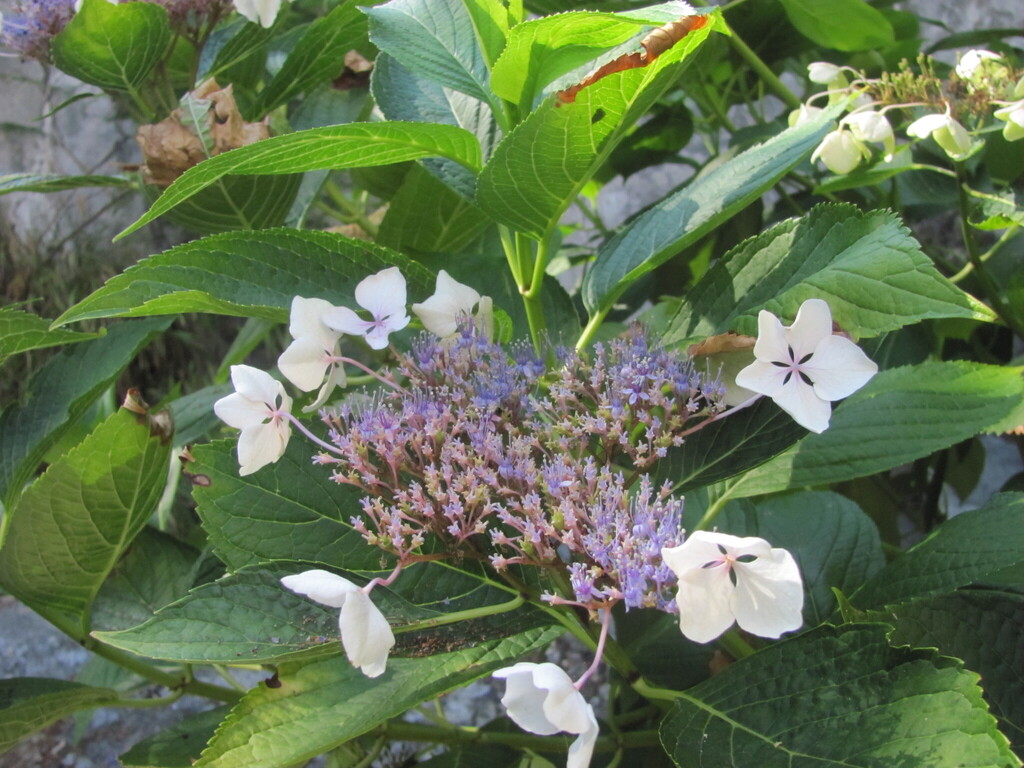
Hydrangeas are beloved for their big, showy flower heads that can change color based on soil acidity. They bring a classic, lush feel to any garden space. These shrubs thrive when given plenty of room to spread out and show off their blooms.

At a glance
- Care level
- Moderate
- Plant type
- Deciduous shrub
- Light
- Partial shade to morning sun
- Indoor light
- Bright indirect
- Water
- Every 2 to 4 days
- Mature size
- 3 to 6 feet
- Growth rate
- Medium
- Hardiness
- USDA 5 to 9
- Bloom time
- Late spring to late summer
Care
Keep the soil consistently moist but never soggy to prevent root issues. Watch for wilting leaves as a sign they need a drink, and keep an eye out for powdery mildew on the foliage. Pruning at the right time is key to ensuring you get flowers next season.
- Watering
- Water deeply whenever the top inch of soil feels dry to the touch.
- Feeding
- Apply a balanced fertilizer during the active growing season to support bloom production.
- Pruning
- Prune immediately after flowering to avoid cutting off next year's buds.
- Repotting
- Move to a larger container once the roots begin to circle the bottom of the pot.
- Soil
- Rich, well draining, organic soil
- Soil pH
- 5.0 to 7.0
- Temperature
- -20 to 35°C
- Humidity
- 50 to 70%
- Drought tolerance
- Low
- Lifespan
- Perennial, typically 10 to 20 years
- Fragrance
- Light
- Deer and rabbits
- Low
Signs it needs repotting
- Roots growing out of the drainage holes
- Water running straight through the pot
- Stunted growth during the active season
Safety
- People
- All parts of the plant contain cyanogenic glycosides which can cause gastrointestinal distress if eaten.
- Pets
- This plant is toxic to cats and dogs if ingested.
- Children
- Keep this plant away from small children as ingestion of any part can lead to stomach upset.
- Contact allergens
- Handling the foliage can cause skin irritation in sensitive individuals due to fine hairs.
- Airborne allergens
- The pollen is generally not considered a significant airborne allergen.
- Edibility
- Hydrangea foliage and flowers are toxic if ingested and should never be consumed.
How to identify it
- Large, serrated, oval shaped leaves
- Massive clusters of showy flowers
- Woody, upright shrub structure
- Opposite leaf arrangement on stems
- Height
- 0.9 to 3m
- Spread
- 0.9 to 3m
- Leaves
- green, deciduous
- Flowers
- white, pink, blue, purple, red, 5 to 30cm
Problems to watch for
- AphidsCommon
- Leaf ScorchCommon
- Powdery MildewCommon
- Botrytis BlightUncommon
- Cercospora Leaf SpotUncommon
- ChlorosisUncommon
- Spider MitesUncommon
By symptom
Check your bigleaf hydrangea from a photo
Pocket Botanist looks at a photo of your plant and tells you what's wrong and what to try first.
Growing it
- Propagation
- cuttings, division, layering
- When to plant
- spring, autumn
- Overwintering
- Apply a layer of mulch around the base to protect roots from temperature swings. Avoid heavy pruning in autumn to protect next year's flower buds.
- In containers
- They grow well in large pots, provided you use a container at least 40 cm wide and ensure consistent watering.
Softwood Cuttings
- 1. Take a 10 cm cutting from a non flowering stem in early summer.
- 2. Remove the lower leaves and dip the cut end in rooting hormone.
- 3. Plant in a moist potting mix and cover with a plastic bag to maintain humidity.
- 4. Keep in bright, indirect light until roots form.
Plant hydrangeas with other moisture loving shade plants to create a lush, low maintenance garden bed.
Grows well with
- Hostas — They thrive in the same shady, moist conditions as hydrangeas.
- Ferns — Ferns provide a beautiful textural contrast to the large hydrangea leaves.
Similar species
- Viburnum — These shrubs offer similar rounded flower clusters and deciduous habits.
Science
- Family
- Hydrangeaceae
- Genus
- Hydrangea
- Order
- Cornales
- Class
- Magnoliopsida
- Native range
- Asia and the Americas
- Conservation
- Not of conservation concern.
Hydrangeas typically grow in the understory of forests where they benefit from dappled light and moist, rich soil.
- Value to wildlife
- nectar source
- Pollinators
- bees, butterflies
- Uses
- ornamental shrub, cut flowers, dried arrangements
Through the year
Ecological indicators
- Salinity
- 2/9
- Soil reaction
- 5/9
- Temperature
- 5/9
- Moisture
- 7/9
- Nutrients
- 6/9
- Light
- 5/9
Taxonomy resolved against GBIF.
Questions people ask
- Why won't my hydrangea bloom?
- It may be due to late spring frosts damaging buds or pruning at the wrong time of year.
- How do I make my flowers blue?
- You can add aluminum sulfate to the soil to lower the pH and encourage blue pigment.
Where the name comes from
The genus name Hydrangea reflects the plant's need for consistent moisture, while the common name is a shortened version of this scientific title.
Good to know
- The name comes from the Greek words hydro, meaning water, and angeion, meaning vessel, referring to the plant's high water needs.
- Hydrangeas have been cultivated for centuries in Japan.
- Some species can change color based on aluminum availability in the soil.
Also in
Keep your bigleaf hydrangea growing
This page is a general guide. Save your plant in Pocket Botanist and you get care reminders timed for this plant, plus a care history that shows what worked.
This guide was generated with AI and checked against GBIF taxonomy. It is general information, not horticultural or veterinary advice. Read about how we build these guides.