 Pocket Botanist
Guide botanique
Bigleaf Hydrangea.
Hydrangea
Prononciation hy-DRAN-jee-uh mak-ro-FIL-uh
Aussi appelée Hydrangea, Hydrangeas


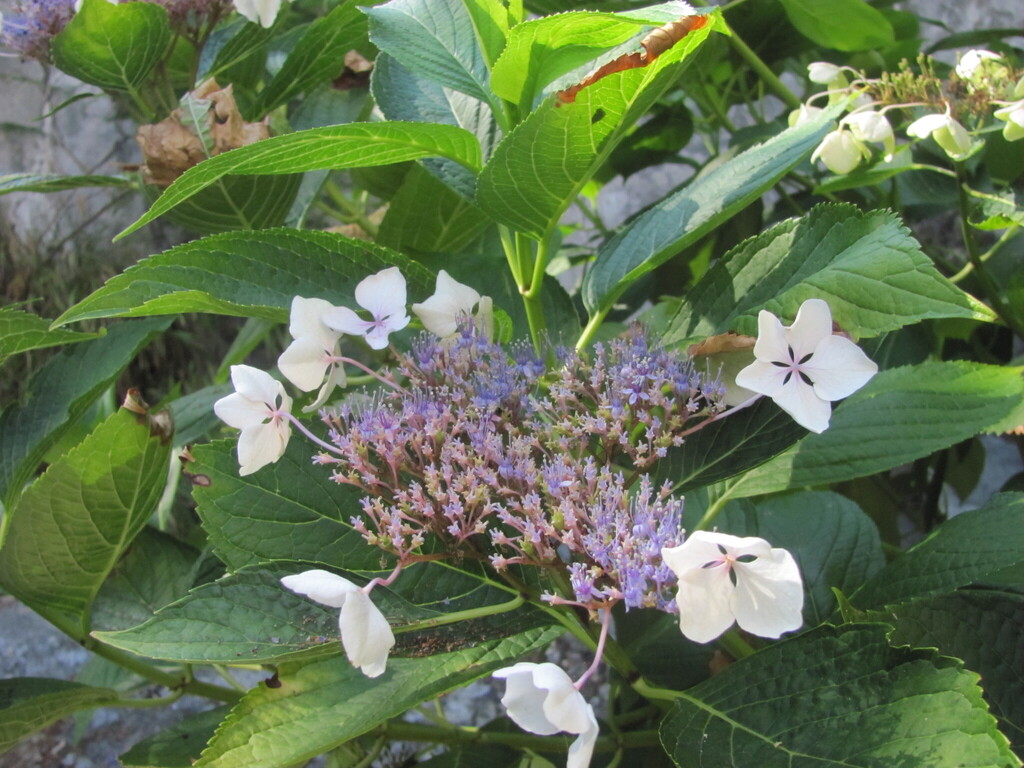
Les hortensias sont appréciés pour leurs grosses têtes florales spectaculaires qui peuvent changer de couleur selon l'acidité du sol. Ils apportent une touche classique et luxuriante à tout jardin. Ces arbustes prospèrent s'ils ont suffisamment d'espace pour s'étendre et montrer leurs fleurs.

En un coup d'œil
- Niveau d'entretien
- Moyenne
- Type de plante
- Arbuste à feuilles caduques
- Lumière
- Mi-ombre à soleil du matin
- Lumière en intérieur
- Lumière vive indirecte
- Arrosage
- Tous les 2 à 4 jours
- Taille adulte
- 3 à 6 pieds
- Croissance
- Moyenne
- Rusticité
- USDA 5 à 9
- Floraison
- Fin du printemps à la fin de l'été
Entretien
Gardez le sol constamment humide mais jamais détrempé pour éviter les problèmes de racines. Surveillez le flétrissement des feuilles, signe qu'elles ont besoin d'eau, et gardez un œil sur l'oïdium sur le feuillage. Tailler au bon moment est essentiel pour assurer la floraison la saison suivante.
- Arrosage
- Arrosez profondément dès que le premier centimètre de sol est sec au toucher.
- Engrais
- Appliquez un engrais équilibré pendant la saison de croissance active pour favoriser la production de fleurs.
- Taille
- Taillez immédiatement après la floraison pour éviter de couper les bourgeons de l'année suivante.
- Rempotage
- Rempotez dans un conteneur plus grand une fois que les racines commencent à tourner au fond du pot.
- Sol
- Sol riche, bien drainé et organique
- pH du sol
- 5.0 à 7.0
- Température
- -20 à 35°C
- Humidité
- 50 à 70%
- Résistance à la sécheresse
- Faible
- Durée de vie
- Plante vivace, généralement 10 à 20 ans
- Parfum
- Léger
- Résistance aux chevreuils et lapins
- Faible
Signes qu'il faut rempoter
- Les racines sortent des trous de drainage
- L'eau traverse directement le pot
- Croissance ralentie pendant la saison active
Sécurité
- Humains
- Toutes les parties de la plante contiennent des glycosides cyanogènes qui peuvent provoquer une gêne gastro-intestinale en cas d'ingestion.
- Animaux
- Cette plante est toxique pour les chats et les chiens si ingérée.
- Enfants
- Tenez cette plante à l'écart des jeunes enfants, car l'ingestion de n'importe quelle partie peut entraîner des maux d'estomac.
- Allergènes de contact
- La manipulation du feuillage peut provoquer une irritation cutanée chez les personnes sensibles en raison des poils fins.
- Allergènes aéroportés
- Le pollen n'est généralement pas considéré comme un allergène aéroporté significatif.
- Comestibilité
- Le feuillage et les fleurs de l'hortensia sont toxiques s'ils sont ingérés et ne doivent jamais être consommés.
Comment l'identifier
- Grandes feuilles ovales et dentées
- Grappes massives de fleurs voyantes
- Structure d'arbuste ligneux et dressé
- Feuilles opposées sur les tiges
- Hauteur
- 0,9 à 3m
- Envergure
- 0,9 à 3m
- Feuilles
- vert, caduc
- Fleurs
- blanc, rose, bleu, violet, rouge, 5 à 30cm
Problèmes à surveiller
- Brûlures du feuillageCourant
- OïdiumCourant
- PuceronsCourant
- BotrytisPeu courant
- CercosporiosePeu courant
- ChlorosePeu courant
- TétranyquesPeu courant
- Mildiou poudreux — Une croissance fongique blanche apparaît sur les feuilles pendant les périodes de forte humidité.
Par symptôme
Vérifie la santé de ta plante en photo
Pocket Botanist analyse une photo de ta plante et te dit ce qui ne va pas et quoi essayer en premier.
La cultiver
- Multiplication
- boutures, division, marcottage
- Quand planter
- printemps, automne
- Hivernage
- Appliquez une couche de paillis autour de la base pour protéger les racines des variations de température. Évitez la taille sévère en automne pour protéger les bourgeons de l'année prochaine.
- En pot
- Ils poussent bien dans de grands pots, à condition d'utiliser un récipient d'au moins 40 cm de large et d'assurer un arrosage constant.
Boutures de bois tendre
- 1. Prélevez une bouture de 10 cm sur une tige non florifère au début de l'été.
- 2. Retirez les feuilles inférieures et trempez l'extrémité coupée dans de l'hormone d'enracinement.
- 3. Plantez dans un terreau humide et couvrez d'un sac en plastique pour maintenir l'humidité.
- 4. Gardez à la lumière vive et indirecte jusqu'à formation des racines.
Plantez des hortensias avec d'autres plantes d'ombre aimant l'humidité pour créer un parterre de jardin luxuriant et peu d'entretien.
Bonnes associations
- Hosta — Ils prospèrent dans les mêmes conditions ombragées et humides que les hortensias.
- Polystichum — Les fougères offrent un beau contraste textuel avec les grandes feuilles d'hortensia.
Espèces similaires
- Viburnum — Ces arbustes offrent des grappes de fleurs arrondies similaires et des habitudes caduques.
Science
- Famille
- Hydrangeaceae
- Genre
- Hydrangea
- Ordre
- Cornales
- Classe
- Magnoliopsida
- Région d'origine
- Asie et Amériques
- Préservation
- Pas de préoccupation pour la conservation.
Les hortensias poussent généralement dans le sous-bois des forêts où ils bénéficient d'une lumière tamisée et d'un sol humide et riche.
- Intérêt pour la faune
- source de nectar
- Pollinisateurs
- abeilles, papillons
- Utilisations
- arbuste ornemental, fleurs coupées, arrangements séchés
Au fil des saisons
Repères écologiques
- Salinité
- 2/9
- Réaction du sol
- 5/9
- Température
- 5/9
- Humidité
- 7/9
- Nutriments
- 6/9
- Lumière
- 5/9
Taxonomie vérifiée avec le GBIF.
Ce qu'on demande souvent
- Pourquoi mon hortensia ne fleurit-il pas ?
- Cela peut être dû à des gelées tardives au printemps qui endommagent les bourgeons ou à une taille au mauvais moment de l'année.
- Comment puis-je rendre mes fleurs bleues ?
- Vous pouvez ajouter du sulfate d'aluminium au sol pour abaisser le pH et favoriser le pigment bleu.
D'où vient le nom
Le nom du genre Hydrangea reflète le besoin de la plante en humidité constante, tandis que le nom commun est une version abrégée de ce titre scientifique.
Bon à savoir
- Le nom vient des mots grecs hydro, signifiant eau, et angeion, signifiant vaisseau, faisant référence aux besoins élevés en eau de la plante.
- Les hortensias sont cultivés depuis des siècles au Japon.
- Certaines espèces peuvent changer de couleur en fonction de la disponibilité de l'aluminium dans le sol.
Aussi dans
Garde ta plante en pleine forme
Cette page est un guide général. Enregistre ta plante dans Pocket Botanist et tu reçois des rappels d'entretien adaptés à cette plante, ainsi qu'un historique d'entretien qui montre ce qui a marché.
Ce guide a été généré par IA et vérifié avec la taxonomie du GBIF. Il s'agit d'informations générales, et non de conseils horticoles ou vétérinaires. Découvre comment nous concevons ces guides.