 Pocket Botanist
Plant guide
Gazania.
Gazania rigens
Pronounced gah-ZAY-nee-uh RYE-jenz
Also known as Treasure Flower, Treasureflower, gazania, treasure-flower



Gazanias are cheerful, sun-loving perennials that produce daisy-like flowers in vibrant shades. They thrive in warm, dry climates and are perfect for rock gardens or containers. These plants are known for their ability to close their blooms during cloudy weather or at night.
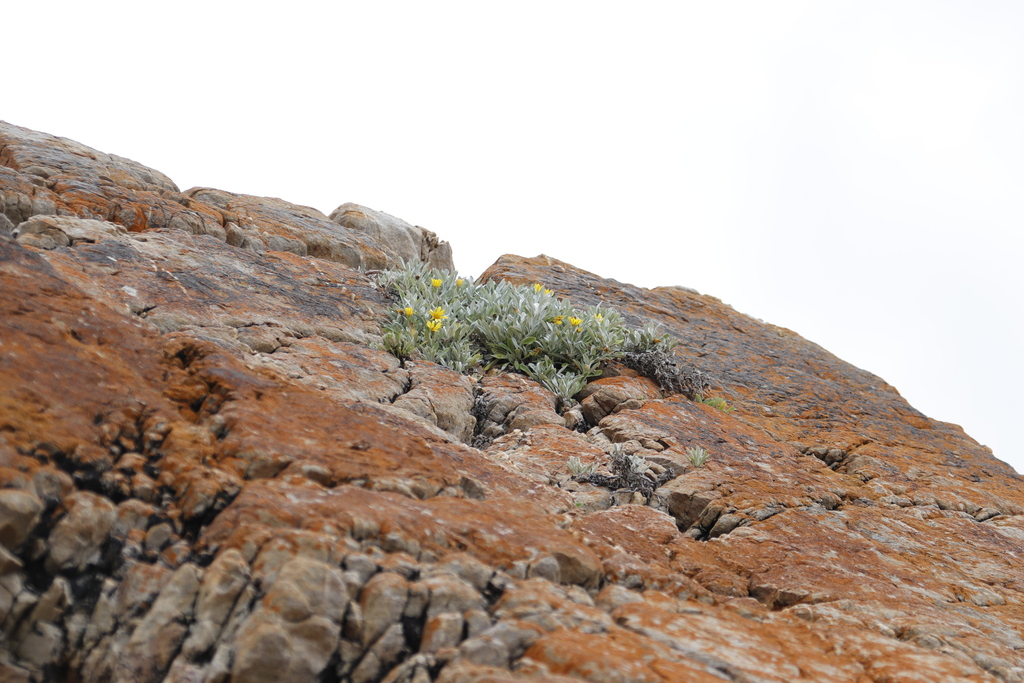
At a glance
- Care level
- Easy
- Plant type
- Perennial
- Light
- Full sun
- Indoor light
- Direct sun
- Water
- Every 7 to 14 days
- Mature size
- 30cm height, 30cm spread
- Growth rate
- Fast
- Hardiness
- USDA 9 to 11
- Bloom time
- Late spring to early autumn
Care
Plant these in well-draining soil to prevent root rot. Keep an eye out for aphids or mealybugs during the growing season. Deadhead spent flowers to encourage a continuous display of color throughout the summer.
- Watering
- Allow the soil to dry out significantly between waterings.
- Feeding
- Apply a balanced liquid fertilizer monthly during the active growing season.
- Pruning
- Regularly remove faded blooms to promote new flower production.
- Repotting
- Repot when the plant becomes root-bound in its current container.
- Soil
- Sandy, well-draining soil
- Soil pH
- Neutral to slightly alkaline
- Temperature
- 0 to 35°C
- Humidity
- 20 to 50%
- Drought tolerance
- High
- Lifespan
- Short lived perennial, often grown as an annual.
- Deer and rabbits
- Moderate
Signs it needs repotting
- Roots growing out of the drainage holes.
- Water sitting on the surface for too long.
- Plant growth slows significantly.
Safety
- People
- There are no significant reports of toxicity in humans, but it is not intended for consumption.
- Pets
- Gazania is generally considered non-toxic to cats and dogs.
- Children
- The plant is generally safe, but the small seeds and flower parts could pose a minor choking hazard if ingested by small children.
- Contact allergens
- The foliage can cause mild skin irritation in sensitive individuals.
- Airborne allergens
- The pollen may trigger mild allergic reactions in sensitive people during the peak bloom season.
- Edibility
- This plant is not considered edible and should not be consumed.
How to identify it
- Daisy-like flowers in bright colors
- Silver-green foliage with white undersides
- Low growing clumping habit
- Blooms close during low light
- Height
- 0.15 to 0.3m
- Spread
- 0.2 to 0.4m
- Leaves
- silver, green, evergreen
- Flowers
- yellow, orange, bronze, red, white, 5 to 10cm
Problems to watch for
- AphidsCommon
- Powdery MildewCommon
- Botrytis BlightUncommon
- Root RotUncommon
By symptom
Check your gazania from a photo
Pocket Botanist looks at a photo of your plant and tells you what's wrong and what to try first.
Growing it
- Propagation
- seed, cuttings, division
- When to plant
- spring
- Overwintering
- In colder climates, bring containers indoors to a sunny window or treat as an annual. Ensure the soil stays on the drier side during the winter months.
- In containers
- They are excellent in containers, provided you use a fast draining potting mix and a pot with drainage holes.
Seed Sowing
- Sow seeds indoors in late winter.
- Cover lightly with soil.
- Keep warm and moist until germination.
- Transplant outdoors after frost.
Basal Cuttings
- Take cuttings from non flowering shoots in late summer.
- Place in a well draining rooting medium.
- Keep in a bright, sheltered spot until rooted.
Pair these with other drought tolerant, sun loving plants to ensure they do not get shaded out or overwatered.
Grows well with
- Lavender — They share similar requirements for full sun and well drained soil.
- Blue Fescue — The blue foliage of the grass provides a beautiful color contrast to the bright Gazania blooms.
Similar species
- Osteospermum — Both are members of the daisy family that thrive in sunny, warm conditions.
Science
- Family
- Asteraceae
- Genus
- Gazania
- Order
- Asterales
- Class
- Magnoliopsida
- Native range
- Southern Africa
- Conservation
- This species is not of conservation concern and is widely naturalized in many warm regions.
It is adapted to dry, sunny, and coastal environments where it acts as a drought tolerant groundcover.
- Value to wildlife
- nectar source
- Pollinators
- bees, butterflies
- Uses
- groundcover, container gardening, rock gardens, border edging
Through the year
Ecological indicators
- Soil reaction
- 6/9
- Light
- 8/9
- Temperature
- 7/9
- Moisture
- 3/9
- Nutrients
- 3/9
- Salinity
- 4/9
Taxonomy resolved against GBIF.
Questions people ask
- Why are my Gazania flowers closed?
- They only open in bright sunlight and will close during cloudy weather or at night.
- Can I grow Gazania in a pot?
- Yes, they perform exceptionally well in containers provided they have excellent drainage.
Where the name comes from
The genus is named after Theodorus of Gaza, a 15th century scholar who translated the works of Theophrastus. The specific epithet rigens refers to the stiff or rigid nature of the leaves.
Good to know
- Gazanias are often called treasure flowers because of their vibrant, jewel like colors.
- They are native to Southern Africa and thrive in sandy, well drained soils.
- The flowers will remain closed on overcast days, even during the middle of the day.
Also in
Keep your gazania growing
This page is a general guide. Save your plant in Pocket Botanist and you get care reminders timed for this plant, plus a care history that shows what worked.
This guide was generated with AI and checked against GBIF taxonomy. It is general information, not horticultural or veterinary advice. Read about how we build these guides.