 Pocket Botanist
Guía de plantas
Gazania.
Gazania rigens
Pronunciación gah-ZAY-nee-uh RYE-jenz
También se conoce como Gazania, Gazania, gazania, gazania



Las gazanias son alegres plantas perennes amantes del sol que producen flores parecidas a las margaritas en tonos vibrantes. Prosperan en climas cálidos y secos y son perfectas para jardines de rocas o macetas. Estas plantas son conocidas por su capacidad de cerrar sus flores durante el clima nublado o por la noche.
De un vistazo
- Nivel de cuidados
- Fácil
- Tipo de planta
- Perenne
- Luz
- Pleno sol
- Luz en interior
- Sol directo
- Riego
- Cada 7 a 14 días
- Tamaño adulto
- 30cm de altura, 30cm de extensión
- Ritmo de crecimiento
- Rápido
- Rusticidad
- USDA 9 a 11
- Floración
- Finales de primavera a principios de otoño
Cuidados
Planta estas flores en tierra que drene bien para evitar la pudrición de las raíces. Vigila la presencia de pulgones o cochinillas harinosas durante la temporada de crecimiento. Retira las flores marchitas para fomentar una exhibición continua de color durante todo el verano.
- Riego
- Deja que la tierra se seque significativamente entre riegos.
- Abonado
- Aplica un fertilizante líquido equilibrado mensualmente durante la temporada de crecimiento activo.
- Poda
- Retira regularmente las flores marchitas para promover la producción de nuevas flores.
- Trasplante
- Trasplanta cuando la planta tenga las raíces apretadas en su contenedor actual.
- Suelo
- Tierra arenosa y que drene bien
- pH del suelo
- Neutro a ligeramente alcalino
- Temperatura
- 0 a 35°C
- Humedad
- 20 a 50%
- Tolerancia a la sequía
- Alta
- Longevidad
- Perenne de corta duración, a menudo cultivada como anual.
- Resistencia a ciervos y conejos
- Moderada
Señales de que necesita trasplante
- Raíces que crecen por los agujeros de drenaje.
- El agua permanece demasiado tiempo en la superficie.
- El crecimiento de la planta se ralentiza significativamente.
Seguridad
- Personas
- No hay informes significativos de toxicidad en humanos, pero no está destinada al consumo.
- Mascotas
- La gazania generalmente se considera no tóxica para gatos y perros.
- Niños
- La planta es generalmente segura, pero las semillas pequeñas y las partes de las flores podrían suponer un pequeño peligro de asfixia si las ingieren niños pequeños.
- Alérgenos por contacto
- El follaje puede causar irritación leve de la piel en personas sensibles.
- Alérgenos en el aire
- El polen puede desencadenar reacciones alérgicas leves en personas sensibles durante la temporada alta de floración.
- Comestibilidad
- Esta planta no se considera comestible y no debe consumirse.
Cómo identificarla
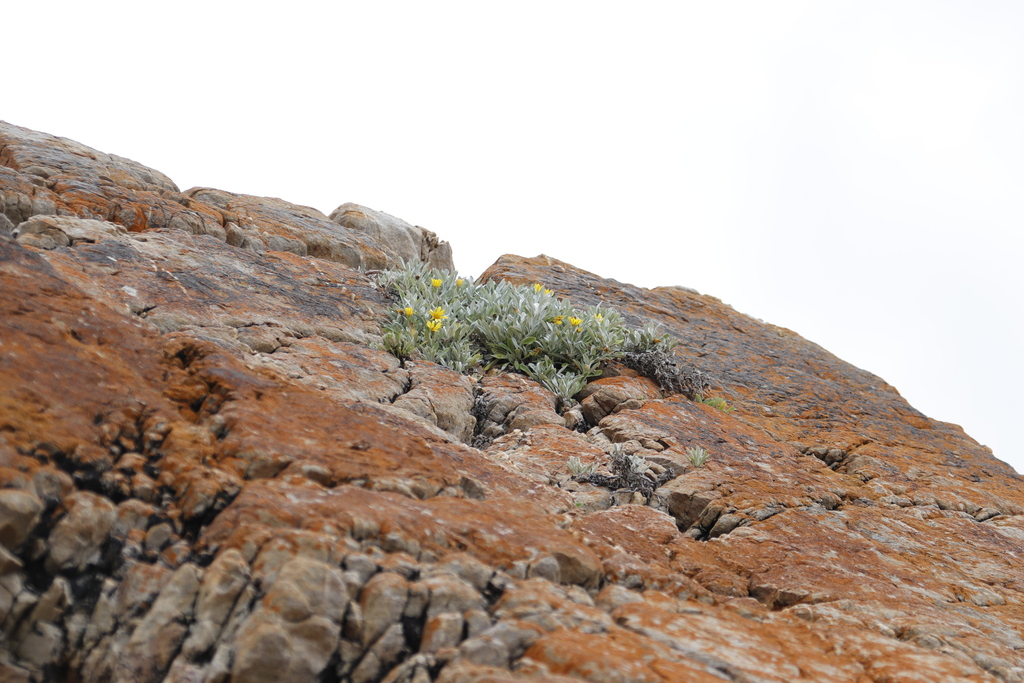
- Flores parecidas a margaritas en colores brillantes
- Follaje verde plateado con envés blanco
- Hábito de crecimiento bajo y aglutinante
- Las flores se cierran con poca luz
- Altura
- 0,15 a 0,3m
- Anchura
- 0,2 a 0,4m
- Hojas
- plata, verde, siempreverde
- Flores
- amarillo, naranja, bronce, rojo, blanco, 5 a 10cm
Problemas a vigilar
- OídioComún
- PulgonesComún
- BotritisPoco común
- Podredumbre radicularPoco común
Por síntoma
Revisa tu gazania con una foto
Pocket Botanist mira una foto de tu planta y te dice qué le pasa y qué probar primero.
Cómo cultivarla
- Propagación
- semilla, esquejes, división
- Cuándo plantar
- primavera
- Cuidados en invierno
- En climas más fríos, lleva las macetas al interior a un alféizar soleado o trátalas como anuales. Asegúrate de que la tierra se mantenga más bien seca durante los meses de invierno.
- En maceta
- Son excelentes en macetas, siempre que utilices una mezcla para macetas de drenaje rápido y una maceta con agujeros de drenaje.
Siembra de semillas
- Siembra las semillas en interior a finales de invierno.
- Cúbrelas ligeramente con tierra.
- Mantenlas cálidas y húmedas hasta la germinación.
- Trasplanta al exterior después de las heladas.
Esquejes basales
- Toma esquejes de brotes no florales a finales de verano.
- Colócalos en un medio de enraizamiento bien drenado.
- Mantenlos en un lugar luminoso y protegido hasta que enraícen.
Combina estas con otras plantas tolerantes a la sequía y amantes del sol para asegurarte de que no queden a la sombra ni se rieguen en exceso.
Buenas compañeras
- Lavanda inglesa — Comparten requisitos similares de pleno sol y suelo bien drenado.
- Festuca azul — El follaje azul de la hierba proporciona un hermoso contraste de color con las brillantes flores de gazania.
Especies parecidas
- Osteospermum ecklonis — Ambos son miembros de la familia de las margaridas que prosperan en condiciones soleadas y cálidas.
Ciencia
- Familia
- Asteraceae
- Género
- Gazania
- Orden
- Asterales
- Clase
- Magnoliopsida
- Distribución natural
- África meridional
- Conservación
- Esta especie no es motivo de preocupación para la conservación y está ampliamente naturalizada en muchas regiones cálidas.
Está adaptada a ambientes secos, soleados y costeros, donde actúa como una cubierta vegetal tolerante a la sequía.
- Valor para la fauna
- fuente de néctar
- Polinizadores
- abejas, mariposas
- Usos
- cubierta vegetal, jardinería en macetas, jardines de rocas, bordes de parterres
A lo largo del año
Indicadores ecológicos
- Reacción del suelo
- 6/9
- Luz
- 8/9
- Temperatura
- 7/9
- Humedad
- 3/9
- Nutrientes
- 3/9
- Salinidad
- 4/9
Taxonomía cotejada con GBIF.
Lo que más preguntan
- ¿Por qué están cerradas las flores de mi gazania?
- Solo se abren con luz solar brillante y se cierran durante el clima nublado o por la noche.
- ¿Puedo cultivar gazanias en maceta?
- Sí, se dan excepcionalmente bien en macetas siempre que tengan un drenaje excelente.
De dónde viene el nombre
El género lleva el nombre de Teodoro de Gaza, un erudito del siglo XV que tradujo las obras de Teofrasto. El epíteto específico rigens se refiere a la naturaleza rígida o inflexible de las hojas.
Bueno saberlo
- Las gazanias se llaman a menudo flores del tesoro por sus colores vibrantes, parecidos a joyas.
- Son nativas del sur de África y prosperan en suelos arenosos y bien drenados.
- Las flores permanecerán cerradas en días nublados, incluso a mitad del día.
También en
Que tu gazania siga creciendo
Esta página es una guía general. Guarda tu planta en Pocket Botanist y tendrás recordatorios de cuidado pensados para esta planta, además de un historial de cuidados que muestra qué ha funcionado.
Esta guía se ha generado con IA y se ha cotejado con la taxonomía de GBIF. Es información general, no asesoramiento botánico ni veterinario. Descubre cómo elaboramos estas guías.