 Pocket Botanist
Guide botanique
Gazanie.
Gazania rigens
Prononciation gah-ZAY-nee-uh RYE-jenz
Aussi appelée Gazanie, Gazanie, gazania, gazania



Les gazanies sont des plantes vivaces joyeuses qui aiment le soleil et produisent des fleurs ressemblant à des marges dans des teintes vibrantes. Elles prospèrent dans les climats chauds et secs et sont parfaites pour les jardins de rocaille ou les conteneurs. Ces plantes sont connues pour leur capacité à fermer leurs fleurs par temps couvert ou la nuit.
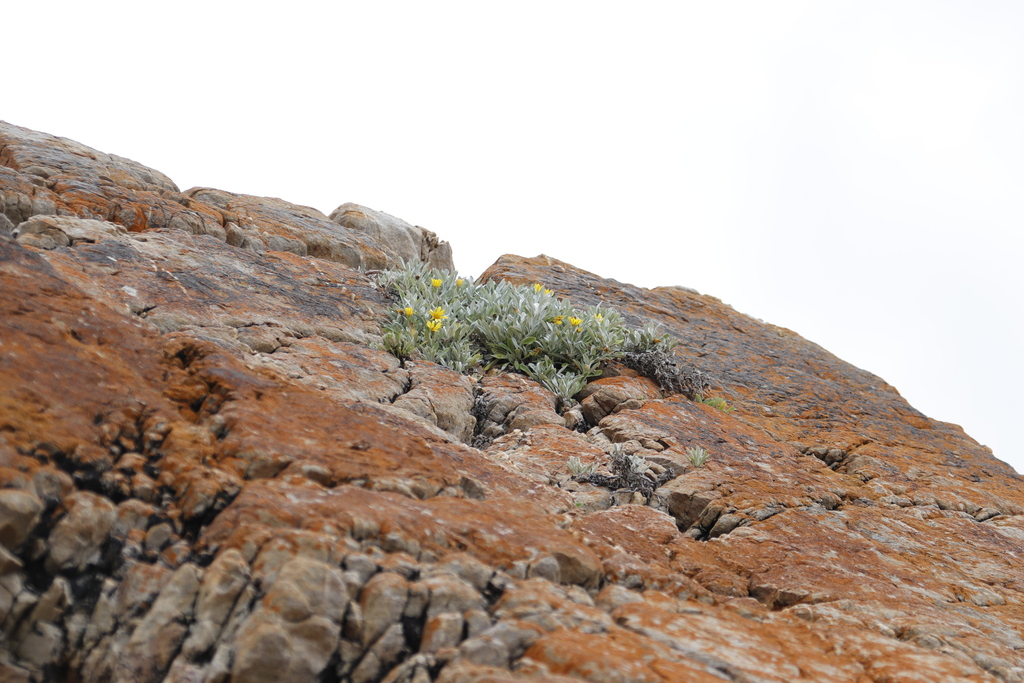
En un coup d'œil
- Niveau d'entretien
- Facile
- Type de plante
- Vivace
- Lumière
- Plein soleil
- Lumière en intérieur
- Soleil direct
- Arrosage
- Tous les 7 à 14 jours
- Taille adulte
- 30cm de hauteur, 30cm d'envergure
- Croissance
- Rapide
- Rusticité
- USDA 9 à 11
- Floraison
- Fin du printemps au début de l'automne
Entretien
Plantez-les dans un sol bien drainé pour éviter la pourriture des racines. Surveillez les pucerons ou les cochenilles pendant la saison de croissance. Enlevez les fleurs fanées pour encourager un affichage continu de couleurs tout au long de l'été.
- Arrosage
- Laissez le sol sécher de manière significative entre les arrosages.
- Engrais
- Appliquez un engrais liquide équilibré une fois par mois pendant la saison de croissance active.
- Taille
- Retirez régulièrement les fleurs fanées pour favoriser la production de nouvelles fleurs.
- Rempotage
- Rempotez lorsque la plante devient à l'étroit dans son conteneur actuel.
- Sol
- Sol sableux et bien drainé
- pH du sol
- Neutre à légèrement alcalin
- Température
- 0 à 35°C
- Humidité
- 20 à 50%
- Résistance à la sécheresse
- Élevée
- Durée de vie
- Vivace de courte durée, souvent cultivée comme annuelle.
- Résistance aux chevreuils et lapins
- Moyenne
Signes qu'il faut rempoter
- Les racines sortent des trous de drainage.
- L'eau stagne trop longtemps à la surface.
- La croissance de la plante ralentit considérablement.
Sécurité
- Humains
- Il n'y a pas de rapports significatifs de toxicité chez l'homme, mais elle n'est pas destinée à la consommation.
- Animaux
- Le gazania est généralement considéré comme non toxique pour les chats et les chiens.
- Enfants
- La plante est généralement sans danger, mais les petites graines et les parties de fleurs pourraient présenter un risque mineur d'étouffement si elles sont ingérées par de jeunes enfants.
- Allergènes de contact
- Le feuillage peut provoquer une légère irritation cutanée chez les personnes sensibles.
- Allergènes aéroportés
- Le pollen peut déclencher de légères réactions allergiques chez les personnes sensibles pendant la saison de floraison maximale.
- Comestibilité
- Cette plante n'est pas considérée comme comestible et ne doit pas être consommée.
Comment l'identifier
- Fleurs ressemblant à des marges de couleurs vives
- Feuillage vert argenté avec des dessous blancs
- Habitude de croissance rampante et touffue
- Les fleurs se ferment pendant la faible luminosité
- Hauteur
- 0,15 à 0,3m
- Envergure
- 0,2 à 0,4m
- Feuilles
- argent, vert, sempervirent
- Fleurs
- jaune, orange, bronze, rouge, blanc, 5 à 10cm
Problèmes à surveiller
- OïdiumCourant
- PuceronsCourant
- BotrytisPeu courant
- Pourriture des racinesPeu courant
- Mildiou poudreux — Une infection fongique qui apparaît sous forme de taches blanches poudreuses sur les feuilles, souvent causée par une mauvaise circulation de l'air.
Vérifie la santé de ta plante en photo
Pocket Botanist analyse une photo de ta plante et te dit ce qui ne va pas et quoi essayer en premier.
La cultiver
- Multiplication
- semis, boutures, division
- Quand planter
- printemps
- Hivernage
- Dans les climats plus froids, rentrez les conteneurs à l'intérieur près d'une fenêtre ensoleillée ou traitez-les comme des annuelles. Assurez-vous que le sol reste plutôt sec pendant les mois d'hiver.
- En pot
- Elles sont excellentes en conteneur, à condition d'utiliser un terreau à drainage rapide et un pot avec des trous de drainage.
Semis
- Semez les graines à l'intérieur à la fin de l'hiver.
- Couvrez légèrement de terre.
- Gardez au chaud et humide jusqu'à la germination.
- Transplantez à l'extérieur après le gel.
Boutures basales
- Prenez des boutures de pousses non florifères à la fin de l'été.
- Placez-les dans un substrat de bouturage bien drainant.
- Gardez dans un endroit lumineux et abrité jusqu'à l'enracinement.
Associez-les à d'autres plantes résistantes à la sécheresse et aimant le soleil pour vous assurer qu'elles ne soient pas ombragées ou trop arrosées.
Bonnes associations
- lavande anglaise — Ils partagent des besoins similaires en plein soleil et en sol bien drainé.
- Fétuque bleue — Le feuillage bleu de l'herbe contraste magnifiquement avec les fleurs vives de Gazania.
Espèces similaires
- Osteospermum ecklonis — Ils sont tous deux membres de la famille des Asteraceae et partagent des habitudes de croissance similaires.
Science
- Famille
- Asteraceae
- Genre
- Gazania
- Ordre
- Asterales
- Classe
- Magnoliopsida
- Région d'origine
- Afrique australe
- Préservation
- Cette espèce ne suscite aucune préoccupation en matière de conservation et est largement naturalisée dans de nombreuses régions chaudes.
Il est adapté aux environnements secs, ensoleillés et côtiers où il agit comme un couvre-sol résistant à la sécheresse.
- Intérêt pour la faune
- source de nectar
- Pollinisateurs
- abeilles, papillons
- Utilisations
- couvre-sol, jardinage en conteneur, jardins de rocaille, bordures
Au fil des saisons
Repères écologiques
- Réaction du sol
- 6/9
- Lumière
- 8/9
- Température
- 7/9
- Humidité
- 3/9
- Nutriments
- 3/9
- Salinité
- 4/9
Taxonomie vérifiée avec le GBIF.
Ce qu'on demande souvent
- Pourquoi mes fleurs de Gazania sont-elles fermées ?
- Elles ne s'ouvrent qu'en plein soleil et se referment par temps nuageux ou la nuit.
- Puis-je cultiver des Gazanias en pot ?
- Oui, elles se comportent exceptionnellement bien en conteneur, à condition qu'il y ait un excellent drainage.
D'où vient le nom
Le genre est nommé d'après Théodorus de Gaza, un érudit du XVe siècle qui a traduit les œuvres de Théophraste. L'épithète spécifique rigens fait référence à la nature rigide ou raide des feuilles.
Bon à savoir
- On les appelle souvent fleurs trésor en raison de leurs couleurs vives, semblables à des joyaux.
- Elles sont originaires d’Afrique australe et prospèrent dans les sols sableux et bien drainés.
- Les fleurs restent fermées les jours couverts, même en milieu de journée.
Aussi dans
Garde ta plante en pleine forme
Cette page est un guide général. Enregistre ta plante dans Pocket Botanist et tu reçois des rappels d'entretien adaptés à cette plante, ainsi qu'un historique d'entretien qui montre ce qui a marché.
Ce guide a été généré par IA et vérifié avec la taxonomie du GBIF. Il s'agit d'informations générales, et non de conseils horticoles ou vétérinaires. Découvre comment nous concevons ces guides.