 Pocket Botanist
Plant guide
Coconut Palm.
Cocos nucifera
Pronounced KOH-kohs noo-SIF-er-uh
Also known as Coconut, Coconut Palm, Coconut Tree, Cocopalm, Copra


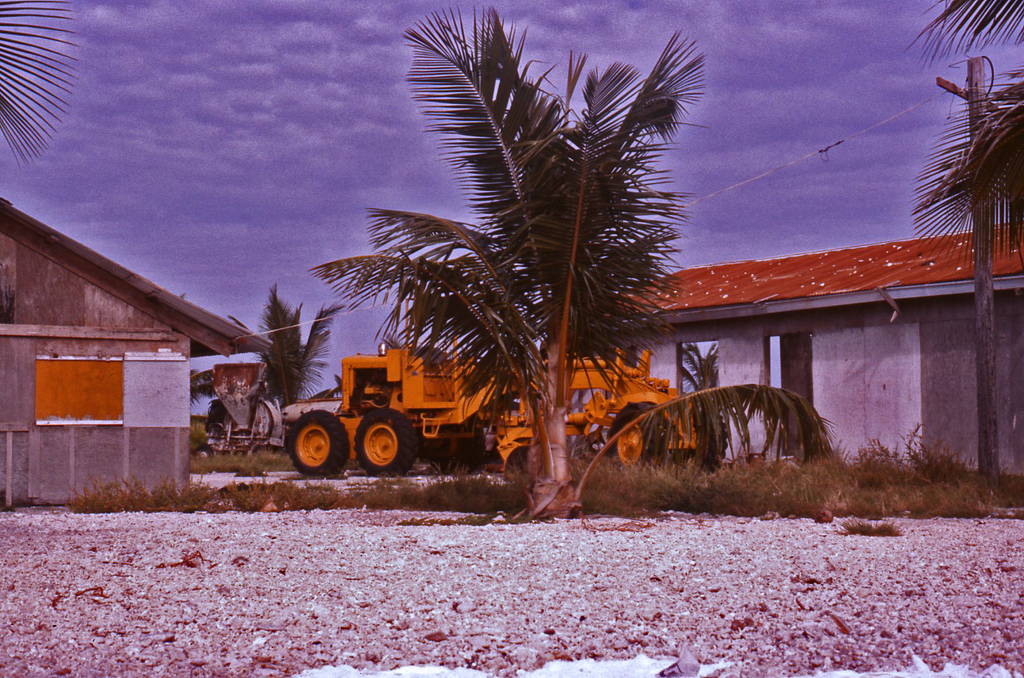
The coconut palm is an iconic tropical tree known for its tall, slender trunk and large, feathery fronds. It thrives in warm, humid coastal environments where it gets plenty of sun. While it is a challenge to keep indoors, it makes a striking statement in a bright, spacious room.

At a glance
- Care level
- Difficult
- Plant type
- Palm
- Light
- Full sun
- Indoor light
- Direct sun
- Water
- Every 3 to 7 days
- Mature size
- Up to 30 meters in habitat
- Growth rate
- Medium
- Hardiness
- USDA 10 to 12
- Bloom time
- Year round in tropical climates
Care
Provide as much direct sunlight as possible and maintain high humidity levels to keep the fronds healthy. Watch for brown, crispy leaf tips which often signal the air is too dry. Keep the soil consistently moist but never waterlogged to prevent root rot.
- Watering
- Keep the soil evenly moist, allowing only the very top layer to dry out slightly between waterings.
- Feeding
- Use a palm-specific fertilizer during the active growing season to provide essential micronutrients.
- Pruning
- Remove only dead or completely brown fronds to maintain the plant's health and appearance.
- Repotting
- Repot only when the roots have clearly filled the container, as palms prefer to be slightly root-bound.
- Soil
- Sandy, well-draining, nutrient-rich
- Soil pH
- 5.5 to 7.0
- Temperature
- 18 to 35°C
- Humidity
- 70 to 90%
- Drought tolerance
- Moderate
- Lifespan
- Perennial, typically 60 to 80 years
- Fragrance
- Light
- Deer and rabbits
- Moderate
Signs it needs repotting
- Roots circling the bottom of the pot
- Stunted growth despite fertilization
Safety
- People
- The plant is not toxic to humans.
- Pets
- This plant is non-toxic to cats and dogs.
- Children
- Falling coconuts pose a significant physical hazard to children playing underneath trees.
- Contact allergens
- The fibrous husk can cause minor skin irritation if handled roughly.
- Airborne allergens
- Pollen may cause mild reactions in sensitive individuals.
- Edibility
- The husk is fibrous and inedible, while the water and meat are safe to consume.
How to identify it
- Tall, slender, ringed gray trunk
- Large, arching pinnate fronds
- Large, fibrous, brown drupe fruit
- Symmetrical, crown-like canopy shape
- Height
- 15 to 30m
- Spread
- 4 to 8m
- Leaves
- green, evergreen
- Flowers
- yellow, cream, 1 to 2cm
- Fruit
- green, brown, Year round
Problems to watch for
- Coconut MiteCommon
- Frond BrowningCommon
- Scale InsectsCommon
- Bud RotUncommon
- Ganoderma RotUncommon
- Lethal BronzingUncommon
- Palmetto WeevilUncommon
- Red Palm WeevilUncommon
By symptom
Check your coconut palm from a photo
Pocket Botanist looks at a photo of your plant and tells you what's wrong and what to try first.
Growing it
- Propagation
- seed
- When to plant
- spring, summer
- Overwintering
- Move to a heated greenhouse if temperatures drop below 15 degrees Celsius.
- In containers
- They are unsuitable for long term container growth due to their extreme size.
Seed Germination
- 1. Place a mature, dried coconut on its side in a warm, humid spot.
- 2. Keep the husk moist but not waterlogged.
- 3. Wait several months for a sprout to emerge from one of the eyes.
Planting low growing ground covers helps maintain soil moisture around the shallow root zone.
Grows well with
- Banana — They share similar tropical moisture and light requirements.
- Sweet Potato — It acts as a living mulch to cover the ground beneath the palms.
Similar species
- Date Palm — Another iconic palm that produces edible fruit in arid climates.
Science
- Family
- Arecaceae
- Genus
- Cocos
- Order
- Arecales
- Class
- Liliopsida
- Native range
- Indo-Pacific region
- Conservation
- Not of conservation concern.
It thrives in sandy, saline soils near coastlines where it disperses seeds via ocean currents.
- Value to wildlife
- nectar source, habitat for small animals
- Pollinators
- bees, beetles
- Uses
- food, beverage, fiber, oil, ornamental
Through the year
Ecological indicators
- Soil reaction
- 7/9
- Temperature
- 9/9
- Salinity
- 8/9
- Light
- 9/9
- Nutrients
- 5/9
- Moisture
- 7/9
Taxonomy resolved against GBIF.
Questions people ask
- Can I grow a coconut tree indoors?
- It is very difficult due to their massive size and need for intense light.
- How long until a tree fruits?
- Most trees begin producing fruit in 6 to 10 years.
Where the name comes from
The scientific name Cocos nucifera comes from the Portuguese coco and the Latin nucifera, meaning nut-bearing.
Good to know
- Coconuts can float for thousands of miles to colonize new islands.
- Every part of the tree has a traditional use in tropical cultures.
- The name comes from the Portuguese word coco, meaning head or skull.
Keep your coconut palm growing
This page is a general guide. Save your plant in Pocket Botanist and you get care reminders timed for this plant, plus a care history that shows what worked.
This guide was generated with AI and checked against GBIF taxonomy. It is general information, not horticultural or veterinary advice. Read about how we build these guides.