 Pocket Botanist
Guía de plantas
Palma de coco.
Cocos nucifera
Pronunciación KOH-kohs noo-SIF-er-uh
También se conoce como Coco, Palma de coco, Árbol de coco, Cocopalm, Copra


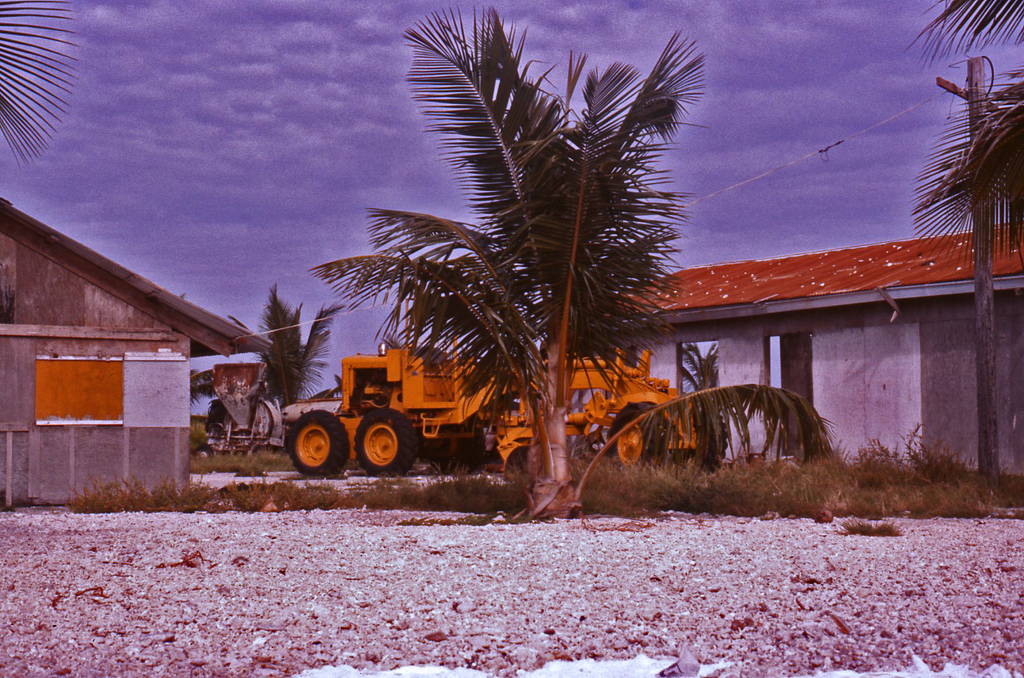
La palma de coco es un árbol tropical icónico conocido por su tronco alto y esbelto y sus grandes frondas plumosas. Prospera en ambientes costeros cálidos y húmedos donde recibe mucho sol. Si bien es un desafío mantenerla en interiores, causa una impresión llamativa en una habitación luminosa y espaciosa.

De un vistazo
- Nivel de cuidados
- Difícil
- Tipo de planta
- Palma
- Luz
- Pleno sol
- Luz en interior
- Sol directo
- Riego
- Cada 3 a 7 días
- Tamaño adulto
- Hasta 30 metros en su hábitat
- Ritmo de crecimiento
- Medio
- Rusticidad
- USDA 10 a 12
- Floración
- Todo el año en climas tropicales
Cuidados
Proporcione la mayor cantidad de luz solar directa posible y mantenga altos niveles de humedad para mantener las frondas sanas. Esté atento a las puntas de las hojas marrones y crujientes, que a menudo indican que el aire está demasiado seco. Mantenga la tierra constantemente húmeda pero nunca encharcada para prevenir la pudrición de las raíces.
- Riego
- Mantenga la tierra uniformemente húmeda, permitiendo que solo la capa superior se seque ligeramente entre riegos.
- Abonado
- Utilice un fertilizante específico para palmas durante la temporada de crecimiento activo para proporcionar micronutrientes esenciales.
- Poda
- Retire solo las frondas muertas o completamente marrones para mantener la salud y la apariencia de la planta.
- Trasplante
- Trasplante solo cuando las raíces hayan llenado claramente el contenedor, ya que las palmas prefieren estar ligeramente apretadas en sus macetas.
- Suelo
- Arenoso, bien drenado, rico en nutrientes
- pH del suelo
- 5.5 a 7.0
- Temperatura
- 18 a 35°C
- Humedad
- 70 a 90%
- Tolerancia a la sequía
- Moderada
- Longevidad
- Perenne, típicamente de 60 a 80 años
- Fragancia
- Suave
- Resistencia a ciervos y conejos
- Moderada
Señales de que necesita trasplante
- Raíces dando vueltas en el fondo de la maceta
- Crecimiento atrofiado a pesar de la fertilización
Seguridad
- Personas
- La planta no es tóxica para los humanos.
- Mascotas
- Esta planta no es tóxica para gatos y perros.
- Niños
- Los cocos que caen representan un peligro físico importante para los niños que juegan debajo de los árboles.
- Alérgenos por contacto
- La cáscara fibrosa puede causar irritación leve en la piel si se manipula bruscamente.
- Alérgenos en el aire
- El polen puede causar reacciones leves en personas sensibles.
- Comestibilidad
- La cáscara es fibrosa e incomestible, mientras que el agua y la pulpa son seguros para consumir.
Cómo identificarla
- Tronco anillado y gris, alto y esbelto
- Grandes frondas plumosas arqueadas
- Fruto drupáceo grande, fibroso y marrón
- Forma de copa simétrica, similar a una corona
- Altura
- 15 a 30m
- Anchura
- 4 a 8m
- Hojas
- verde, perenne
- Flores
- amarillo, crema, 1 a 2cm
- Frutos
- verde, marrón, Todo el año
Problemas a vigilar
- Ácaro del cocoteroComún
- CochinillasComún
- Pardeamiento de las frondasComún
- Bronceado letal de las palmerasPoco común
- Picudo de la palmera sabalPoco común
- Picudo rojoPoco común
- Podredumbre de los botones floralesPoco común
- Podredumbre por GanodermaPoco común
- Amarillamiento Letal — Una infección por fitoplasma que hace que las hojas se pongan amarillas y el árbol muera.
- Ácaro del Coco — Ácaros diminutos que se alimentan de la superficie de los cocos en desarrollo.
Por síntoma
Revisa tu palma de coco con una foto
Pocket Botanist mira una foto de tu planta y te dice qué le pasa y qué probar primero.
Cómo cultivarla
- Propagación
- semilla
- Cuándo plantar
- primavera, verano
- Cuidados en invierno
- Mover a un invernadero climatizado si las temperaturas descienden por debajo de los 15 grados Celsius.
- En maceta
- No son adecuados para el crecimiento en contenedores a largo plazo debido a su tamaño extremo.
Germinación de Semillas
- 1. Coloca un coco maduro y seco de lado en un lugar cálido y húmedo.
- 2. Mantén la cáscara húmeda pero no encharcada.
- 3. Espera varios meses hasta que emerja un brote de uno de los ojos.
Plantar cubiertas vegetales bajas ayuda a mantener la humedad del suelo alrededor de la zona de raíces poco profundas.
Buenas compañeras
- Musa — Comparten requisitos similares de humedad tropical y luz.
- Batata — Actúa como un mantillo vivo para cubrir el suelo debajo de las palmeras.
Especies parecidas
- Palmera datilera — Otra palmera icónica que produce frutos comestibles en climas áridos.
Ciencia
- Familia
- Arecaceae
- Género
- Cocos
- Orden
- Arecales
- Clase
- Liliopsida
- Distribución natural
- Región del Indo-Pacífico
- Conservación
- No es de preocupación para la conservación.
Prospera en suelos arenosos y salinos cerca de las costas, donde dispersa sus semillas a través de las corrientes oceánicas.
- Valor para la fauna
- fuente de néctar, hábitat para animales pequeños
- Polinizadores
- abejas, escarabajos
- Usos
- comida, bebida, fibra, aceite, ornamental
A lo largo del año
Indicadores ecológicos
- Reacción del suelo
- 7/9
- Temperatura
- 9/9
- Salinidad
- 8/9
- Luz
- 9/9
- Nutrientes
- 5/9
- Humedad
- 7/9
Taxonomía cotejada con GBIF.
Lo que más preguntan
- ¿Puedo cultivar un cocotero en interiores?
- Es muy difícil debido a su tamaño masivo y la necesidad de mucha luz.
- ¿Cuánto tiempo tarda un árbol en dar frutos?
- La mayoría de los árboles comienzan a producir frutos entre 6 y 10 años.
De dónde viene el nombre
El nombre científico Cocos nucifera proviene del portugués 'coco' y del latín 'nucifera', que significa portador de nueces.
Bueno saberlo
- Los cocos pueden flotar miles de kilómetros para colonizar nuevas islas.
- Cada parte del árbol tiene un uso tradicional en las culturas tropicales.
- El nombre proviene de la palabra portuguesa 'coco', que significa cabeza o calavera.
Que tu palma de coco siga creciendo
Esta página es una guía general. Guarda tu planta en Pocket Botanist y tendrás recordatorios de cuidado pensados para esta planta, además de un historial de cuidados que muestra qué ha funcionado.
Esta guía se ha generado con IA y se ha cotejado con la taxonomía de GBIF. Es información general, no asesoramiento botánico ni veterinario. Descubre cómo elaboramos estas guías.