 Pocket Botanist
Plant guide
Mandarin orange.
Citrus reticulata
Pronounced SIT-rus reh-tik-yoo-LAY-tuh
Also known as Mandarin Orange, Mandarin Oranges, Swatow orange, Tangerine, culate mandarin, mandarin, mandarine orange



Scan with your phone's camera to get the app
Or go to pocketbotanist.app/get on your phone
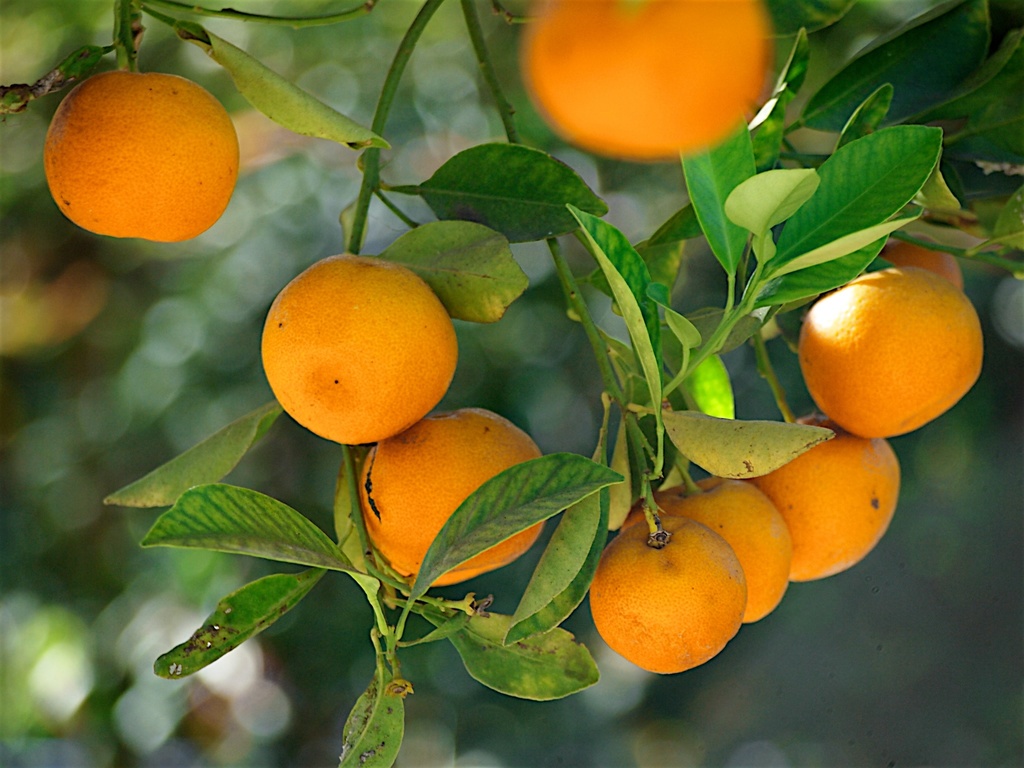
Mandarin oranges are lovely citrus trees that bring a touch of the Mediterranean to your home. They produce fragrant white blossoms followed by sweet, easy to peel fruit. You will enjoy their glossy evergreen foliage year round.
At a glance
- Care level
- Moderate
- Plant type
- Fruit tree
- Light
- Full sun
- Indoor light
- Direct sun
- Water
- Every 5 to 10 days
- Mature size
- 10 to 20 feet
- Growth rate
- Medium
- Hardiness
- USDA 9 to 11
- Bloom time
- Early to mid spring
Care
Keep your tree in a spot with plenty of sunshine and ensure the soil drains well to avoid soggy roots. Watch for yellowing leaves which often signal overwatering or a need for more nutrients. If the leaves start dropping, check that the plant is getting enough light and consistent moisture.
- Watering
- Water deeply when the top few inches of soil feel dry to the touch.
- Feeding
- Use a balanced citrus fertilizer during the active growing season.
- Pruning
- Prune lightly in late winter to shape the tree and remove dead wood.
- Repotting
- Move to a slightly larger container once the roots fill the current pot.
- Soil
- Well draining loamy soil
- Soil pH
- 6.0 to 7.0
- Temperature
- 0 to 38°C
- Humidity
- 40 to 60%
- Drought tolerance
- Moderate
- Lifespan
- Perennial, typically 20 to 40 years
- Fragrance
- Strong
- Deer and rabbits
- Moderate
Signs it needs repotting
- Roots growing out of the drainage holes.
- Water sitting on the surface for too long.
- Stunted growth during the active season.
Safety
- People
- The plant is generally safe, though essential oils in the rind can cause skin irritation in sensitive individuals.
- Pets
- The essential oils in this plant can be irritating to cats and dogs if ingested or touched.
- Children
- The fruit is safe, but be mindful of thorns on some varieties that could scratch a child.
- Contact allergens
- Contact with the essential oils in the leaves or fruit peel can cause mild dermatitis in some people.
- Airborne allergens
- The fragrant flowers may trigger mild allergic reactions in highly sensitive individuals.
- Edibility
- Always wash fruit thoroughly if you plan to use the peel, as commercial growers often apply waxes or pesticides.
How to identify it
- Glossy dark green lanceolate leaves
- Fragrant white five petaled flowers
- Small to medium flattened orange fruit
- Loose textured rind on fruit
- Thorny branches on some varieties
- Height
- 2 to 6m
- Spread
- 1.5 to 4m
- Leaves
- dark green, evergreen
- Flowers
- white, 2 to 3cm
- Fruit
- orange, Late autumn to winter
Problems to watch for
- Citrus leaf miner · Small larvae create winding tunnels inside the leaves.
- Aphids · Tiny insects that suck sap from new growth.
- Citrus canker · Bacterial infection causing lesions on leaves and fruit.
Check your mandarin orange from a photo
Pocket Botanist looks at a photo of your plant and tells you what's wrong and what to try first.
Scan with your phone's camera to get the app
Or go to pocketbotanist.app/get on your phone
Growing it
- Propagation
- cuttings, grafting
- When to plant
- spring
- Overwintering
- Move containers indoors before the first frost. Keep the plant in a bright, cool room and reduce watering significantly.
- In containers
- It grows well in containers, provided you use a pot at least 40 cm wide with excellent drainage.
Cuttings
- 1. Take a 15 cm cutting from new growth.
- 2. Remove lower leaves.
- 3. Dip in rooting hormone.
- 4. Place in moist potting mix.
- 5. Cover with plastic to maintain humidity.
Planting aromatic herbs like lavender or rosemary nearby can help mask the scent of the citrus from specific pests.
Grows well with
- Lavender · Attracts beneficial pollinators that help with fruit set.
- Nasturtium · Acts as a trap crop for aphids that might otherwise target the tree.
Similar species
- Clementine · A hybrid of the mandarin that is nearly identical in growth habit.
- Satsuma · A cold-hardier relative that looks very similar to the mandarin.
Science
- Family
- Rutaceae
- Genus
- Citrus
- Order
- Sapindales
- Class
- Magnoliopsida
- Native range
- Southeast Asia
- Conservation
- Not of conservation concern as it is widely cultivated globally.
It thrives in warm, sunny climates with well-draining soil and regular moisture.
- Value to wildlife
- nectar source
- Pollinators
- bees, butterflies
- Uses
- culinary fruit, ornamental tree, essential oil source
Through the year
Ecological indicators
- Salinity
- 2/9
- Soil reaction
- 6/9
- Light
- 8/9
- Temperature
- 8/9
- Moisture
- 6/9
- Nutrients
- 7/9
Taxonomy resolved against GBIF.
Questions people ask
- Why is my tree dropping fruit?
- This is often due to inconsistent watering or extreme temperature fluctuations.
- Can I grow this indoors?
- Yes, but it requires a very sunny window and supplemental light during winter.
Where the name comes from
The scientific name reticulata refers to the net-like pattern of the albedo layer under the peel.
Good to know
- Mandarin oranges are a symbol of good fortune in many Asian cultures.
- The name mandarin comes from the bright orange robes worn by mandarins in the imperial court.
- They are easier to peel than most other citrus fruits.
- Mandarin trees can live for over 40 years with proper care.
Also in
Keep your mandarin orange growing
This page is a general guide. Save your plant in Pocket Botanist and you get care reminders timed for this plant, plus a care history that shows what worked.
Scan with your phone's camera to get the app
Or go to pocketbotanist.app/get on your phone
This guide was generated with AI on and checked against GBIF taxonomy. It is general information, not horticultural or veterinary advice. Read about how we build these guides.