 Pocket Botanist
Plant guide
Chili pepper.
Capsicum
Pronounced KAP-sih-kum AN-yoo-um
Also known as New World peppers, Pepper, chili peppers, chilies, peppers, red hot chili peppers



Scan with your phone's camera to get the app
Or go to pocketbotanist.app/get on your phone
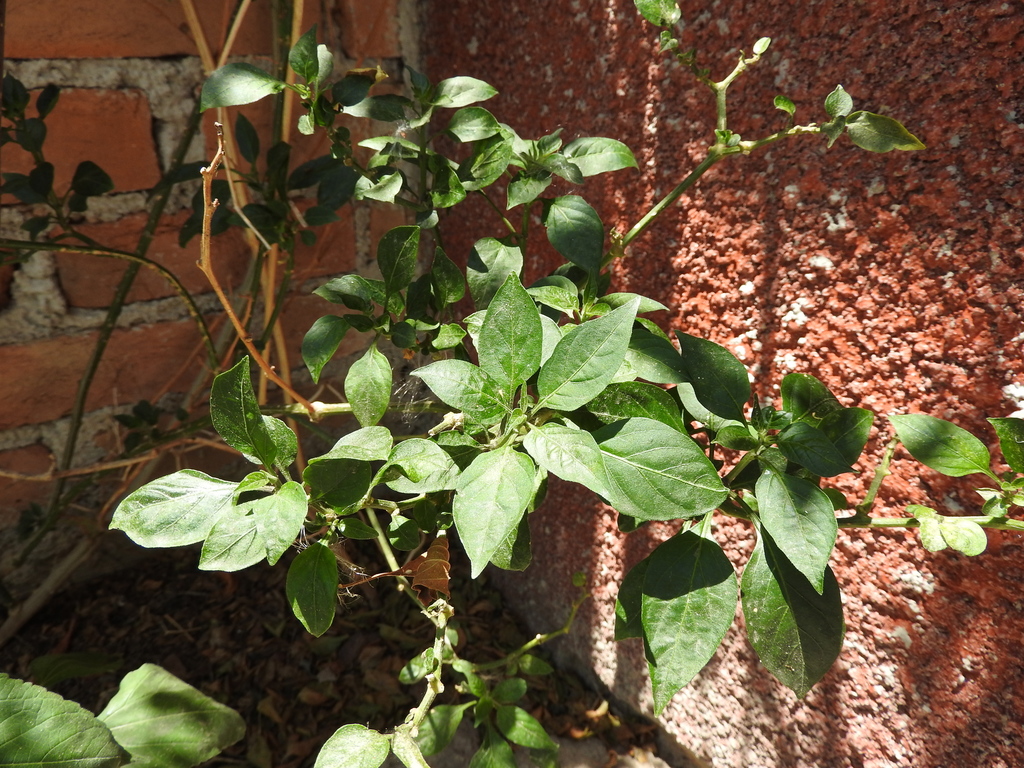
These vibrant plants bring a pop of color and spice to your home garden. They love soaking up the sun and produce tasty fruits throughout the season. You will find them quite rewarding to grow if you have a sunny spot.
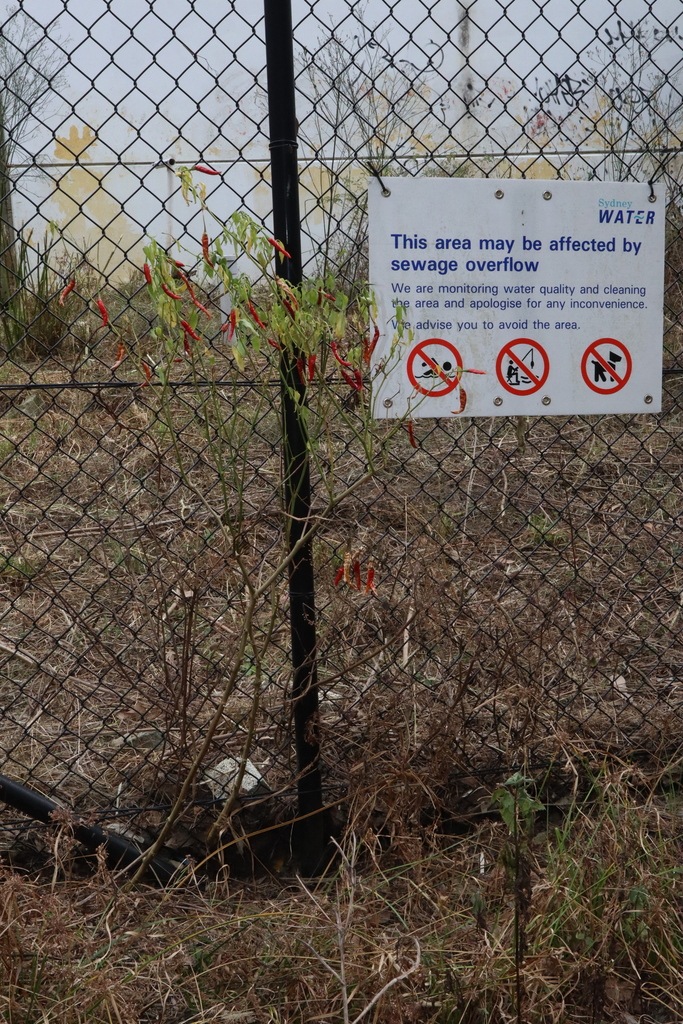
At a glance
- Care level
- Moderate
- Plant type
- Annual vegetable
- Light
- Full sun
- Indoor light
- Direct sun
- Water
- Every 2 to 4 days
- Mature size
- 2 to 4 feet
- Growth rate
- Fast
- Hardiness
- USDA 9 to 11
- Bloom time
- Early to late summer
Care
Keep the soil consistently moist but never soggy to prevent root issues. Watch for drooping leaves, which usually signal that your plant is thirsty. Ensure good airflow to keep pests away from the foliage.
- Watering
- Water when the top inch of soil feels dry to the touch.
- Feeding
- Use a balanced liquid fertilizer during the active growing season.
- Pruning
- Pinch back the tips to encourage a bushier growth habit.
- Repotting
- Repot annually if you are keeping the plant over the winter.
- Soil
- Well draining potting mix
- Soil pH
- 6.0 to 6.8
- Temperature
- 15 to 35°C
- Humidity
- 40 to 60%
- Drought tolerance
- Moderate
- Lifespan
- Tender perennial, usually grown as an annual.
- Deer and rabbits
- Moderate
Signs it needs repotting
- Roots growing out of the drainage holes
- Water running straight through the soil without soaking in
Safety
- People
- The plant is generally safe, though some people may experience skin irritation from handling very hot varieties.
- Pets
- The plant is generally considered safe, but the capsaicin in the fruit can cause irritation if ingested by pets.
- Children
- Keep children away from very hot pepper varieties as the oils can cause significant discomfort if touched or rubbed into eyes.
- Contact allergens
- Handling hot peppers can cause a burning sensation on sensitive skin due to capsaicin oils.
- Airborne allergens
- Pollen from pepper flowers is generally not a significant airborne allergen.
- Edibility
- Always wash peppers thoroughly before eating to remove any residual garden soil or agricultural treatments.
How to identify it
- Glossy green lance shaped leaves
- Small white star shaped flowers
- Brightly colored edible fruit pods
- Woody stems as plant matures
- Height
- 0.3 to 1.2m
- Spread
- 0.3 to 0.6m
- Leaves
- green, deciduous
- Flowers
- white, 1 to 2cm
- Fruit
- green, red, yellow, orange, purple, Late summer to autumn
Problems to watch for
- Aphids · Small insects that cluster on new growth and suck sap.
- Blossom end rot · A calcium deficiency often caused by inconsistent watering.
Check your chili pepper from a photo
Pocket Botanist looks at a photo of your plant and tells you what's wrong and what to try first.
Scan with your phone's camera to get the app
Or go to pocketbotanist.app/get on your phone
Growing it
- Propagation
- seed
- When to plant
- spring
- Overwintering
- In cold climates, bring containers indoors to a sunny window before the first frost. Keep the soil slightly drier during the winter months.
- In containers
- Peppers grow very well in containers, provided the pot is at least 30 centimeters deep and has excellent drainage.
Seed starting
- 1. Sow seeds in trays 8 weeks before the last frost.
- 2. Keep soil warm using a heat mat.
- 3. Transplant seedlings once true leaves appear.
Planting aromatic herbs like basil nearby can help mask the scent of peppers from potential pests.
Grows well with
Keep away from
- Fennel · Fennel can inhibit the growth of many garden vegetables.
Similar species
- Tomato · Both are members of the Solanaceae family and share similar growing requirements.
Science
- Family
- Solanaceae
- Genus
- Capsicum
- Order
- Solanales
- Class
- Magnoliopsida
- Native range
- Central and South America
- Conservation
- Not of conservation concern as it is widely cultivated globally.
Peppers have evolved to produce capsaicin to deter mammals while allowing birds to disperse their seeds.
- Value to wildlife
- nectar source
- Pollinators
- bees
- Uses
- culinary, ornamental, container gardening
Through the year
Ecological indicators
- Salinity
- 2/9
- Soil reaction
- 6/9
- Light
- 8/9
- Temperature
- 8/9
- Moisture
- 6/9
- Nutrients
- 7/9
Taxonomy resolved against GBIF.
Questions people ask
- Why are my peppers not fruiting?
- Temperatures that are too high or too low can cause flowers to drop before they set fruit.
- Can I grow peppers in pots?
- Yes, they thrive in containers as long as the pot has good drainage and at least 5 liters of soil.
Where the name comes from
The genus name Capsicum comes from the Greek word kapto, meaning to bite, referring to the pungent taste of the fruit.
Good to know
- Peppers are technically berries in botanical terms.
- The heat level of peppers is measured on the Scoville scale.
- Christopher Columbus brought peppers to Europe from the Americas.
- Peppers are members of the nightshade family.
Also in
Keep your chili pepper growing
This page is a general guide. Save your plant in Pocket Botanist and you get care reminders timed for this plant, plus a care history that shows what worked.
Scan with your phone's camera to get the app
Or go to pocketbotanist.app/get on your phone
This guide was generated with AI on and checked against GBIF taxonomy. It is general information, not horticultural or veterinary advice. Read about how we build these guides.