 Pocket Botanist
Plant guide
Boxwood.
Buxus
Pronounced BUCK-sus
Also known as Boxwood, box, boxwood, boxes, boxwoods



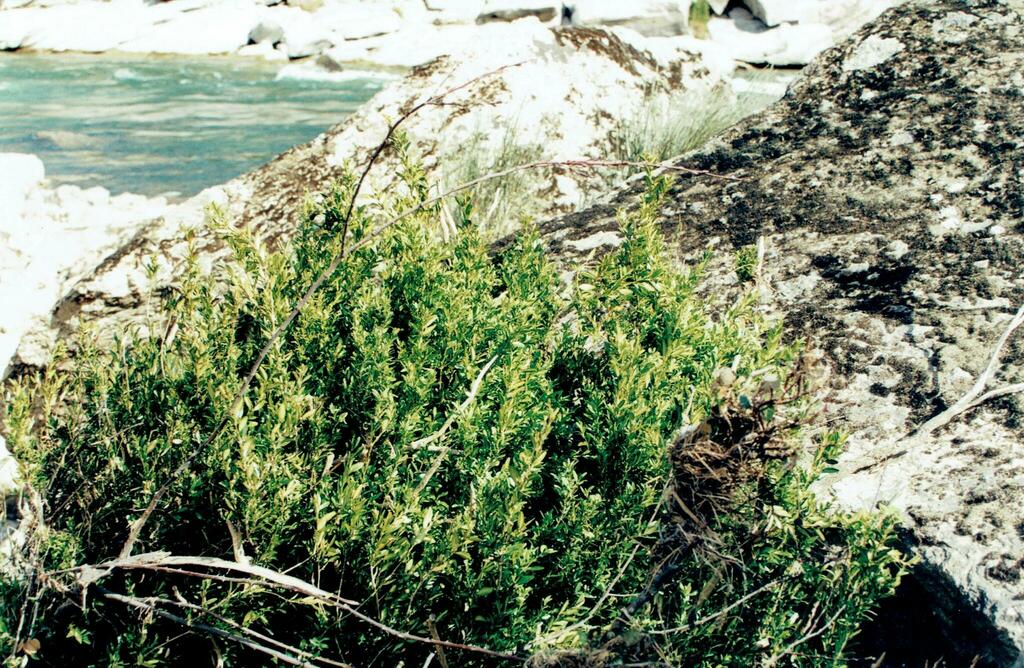
Boxwoods are classic evergreen shrubs that bring structure and elegance to any garden. They are famous for their dense foliage and ability to hold a shape through regular trimming. You will love how they provide a lush, green backdrop all year long.
At a glance
- Care level
- Easy
- Plant type
- Evergreen shrub
- Light
- Full sun to partial shade
- Indoor light
- Bright indirect
- Water
- Every 7 to 14 days
- Mature size
- 3 to 15 feet
- Growth rate
- Slow
- Hardiness
- USDA 5 to 9
- Bloom time
- Early to mid spring
Care
Keep the soil consistently moist but never soggy to prevent root issues. Watch for yellowing leaves, which often signal poor drainage or too much shade. Regular light trimming helps maintain their signature dense form.
- Watering
- Water deeply when the top inch of soil feels dry to the touch.
- Feeding
- Apply a balanced fertilizer once in early spring before new growth starts.
- Pruning
- Trim lightly in late spring or early summer to maintain shape.
- Repotting
- Repot only when the plant becomes rootbound or needs fresh soil.
- Soil
- Well-draining, fertile soil
- Soil pH
- 6.5 to 7.5
- Temperature
- -25 to 35°C
- Humidity
- 40 to 70%
- Drought tolerance
- Moderate
- Lifespan
- Perennial, can live over 100 years.
- Fragrance
- Light
- Deer and rabbits
- High
Signs it needs repotting
- Roots growing out of the drainage holes.
- Water running straight through the pot without soaking in.
- Stunted growth despite regular feeding.
Safety
- People
- All parts of the plant contain steroidal alkaloids that cause severe stomach upset if eaten.
- Pets
- This plant is toxic to cats and dogs if ingested.
- Children
- Keep this plant away from small children as the foliage is toxic if swallowed.
- Contact allergens
- The leaves and sap can cause mild skin irritation in sensitive individuals.
- Airborne allergens
- The pollen is generally not considered a major allergen.
- Edibility
- Boxwood is toxic if ingested and should never be consumed by humans or pets.
How to identify it
- Small, leathery, opposite leaves
- Dense, compact branching habit
- Evergreen foliage color
- Small, inconspicuous yellow flowers
- Height
- 0.6 to 3m
- Spread
- 0.6 to 3m
- Leaves
- dark green, glossy, evergreen
- Flowers
- yellow, green, 0.5 to 1cm
- Fruit
- brown, late summer
Problems to watch for
- Boxwood BlightCommon
- Leaf MinersCommon
- Leaf ScorchUncommon
- PhytophthoraUncommon
- Root RotUncommon
- Scale InsectsUncommon
By symptom
Check your boxwood from a photo
Pocket Botanist looks at a photo of your plant and tells you what's wrong and what to try first.
Growing it
- Propagation
- cuttings, seed
- When to plant
- spring, early autumn
- Overwintering
- Apply a layer of mulch around the base to protect roots from temperature swings. In very cold areas, wrap the plant in burlap to prevent winter burn from drying winds.
- In containers
- Boxwood grows beautifully in containers, provided the pot is at least 40 cm wide and has excellent drainage.
Semi-hardwood cuttings
- Take 10 cm cuttings in late summer.
- Remove the lower leaves.
- Dip the end in rooting hormone.
- Place in a moist, well-draining potting mix.
- Cover with plastic to maintain humidity until rooted.
Pair boxwood with shade loving perennials to create a lush, layered look in formal borders.
Grows well with
Similar species
- Japanese Holly — It has a similar look but is often used as a substitute in areas prone to boxwood blight.
Science
- Family
- Buxaceae
- Genus
- Buxus
- Order
- Buxales
- Class
- Magnoliopsida
- Native range
- Europe, northern Africa, and western Asia.
- Conservation
- Not of conservation concern.
It thrives in well drained limestone soils where it forms dense thickets in woodland understories.
- Value to wildlife
- early season nectar source
- Pollinators
- bees
- Uses
- hedging, topiary, formal garden structure, container planting
Through the year
Ecological indicators
- Salinity
- 2/9
- Soil reaction
- 7/9
- Light
- 5/9
- Temperature
- 5/9
- Moisture
- 5/9
- Nutrients
- 5/9
Taxonomy resolved against GBIF.
Questions people ask
- Why is my boxwood turning orange?
- It is often a sign of winter burn or salt damage from nearby roads.
- Can I grow boxwood in full shade?
- Yes, they tolerate shade well but may grow more slowly.
Where the name comes from
The genus name Buxus is the Latin word for the box tree, while the common name refers to the wood historically used for small boxes.
Good to know
- Boxwood wood is extremely dense and was historically used for wood engraving blocks.
- The plants can live for over a century with proper care.
- They are often called the aristocrats of the garden.
Also in
Keep your boxwood growing
This page is a general guide. Save your plant in Pocket Botanist and you get care reminders timed for this plant, plus a care history that shows what worked.
This guide was generated with AI and checked against GBIF taxonomy. It is general information, not horticultural or veterinary advice. Read about how we build these guides.