 Pocket Botanist
Guide botanique
Buis.
Buxus
Prononciation BUCK-sus
Aussi appelée Buis, buis, Buxus, buis arbustes



Les buis sont des arbustes à feuilles persistantes classiques qui apportent structure et élégance à tout jardin. Ils sont célèbres pour leur feuillage dense et leur capacité à conserver une forme grâce à une taille régulière. Vous adorerez la façon dont ils offrent une toile de fond luxuriante et verte toute l'année.
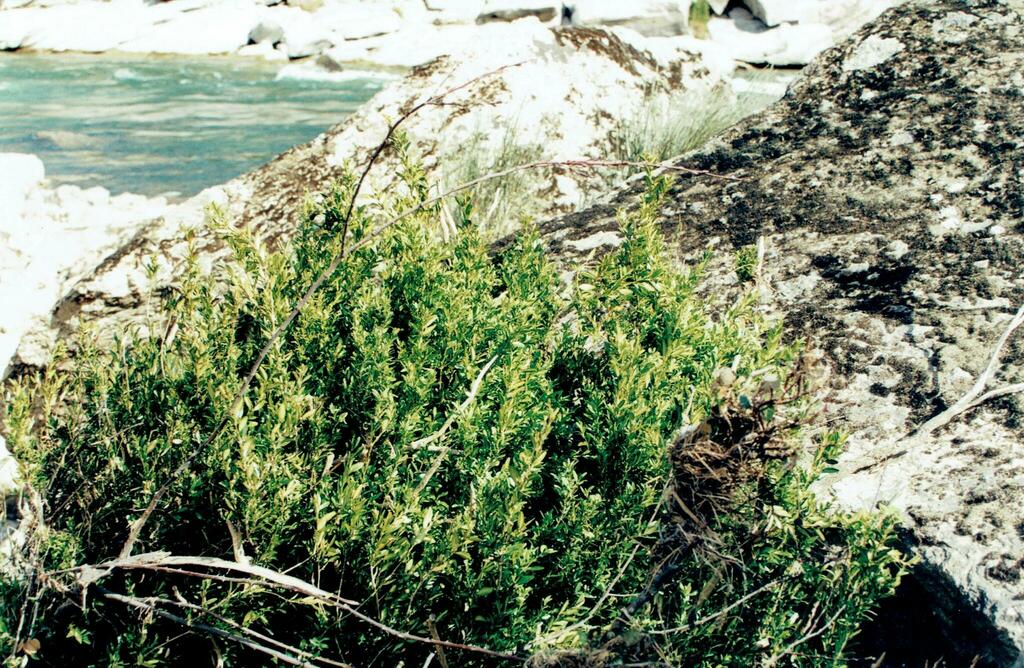
En un coup d'œil
- Niveau d'entretien
- Facile
- Type de plante
- Arbuste persistant
- Lumière
- Plein soleil à ombre partielle
- Lumière en intérieur
- Lumière vive indirecte
- Arrosage
- Tous les 7 à 14 jours
- Taille adulte
- 0,9 à 4,5 mètres
- Croissance
- Lente
- Rusticité
- USDA 5 à 9
- Floraison
- Début à mi-printemps
Entretien
Gardez le sol constamment humide mais jamais détrempé pour éviter les problèmes de racines. Surveillez le jaunissement des feuilles, qui signale souvent un mauvais drainage ou trop d'ombre. Une taille légère régulière aide à maintenir leur forme dense caractéristique.
- Arrosage
- Arrosez profondément lorsque le premier centimètre de sol est sec au toucher.
- Engrais
- Appliquez un engrais équilibré une fois au début du printemps avant le début de la nouvelle croissance.
- Taille
- Taillez légèrement à la fin du printemps ou au début de l'été pour maintenir la forme.
- Rempotage
- Rempotez uniquement lorsque la plante est à l'étroit dans son pot ou a besoin de terreau frais.
- Sol
- Sol fertile bien drainé
- pH du sol
- 6,5 à 7,5
- Température
- -25 à 35°C
- Humidité
- 40 à 70%
- Résistance à la sécheresse
- Moyenne
- Durée de vie
- Vivace, peut vivre plus de 100 ans.
- Parfum
- Léger
- Résistance aux chevreuils et lapins
- Élevée
Signes qu'il faut rempoter
- Les racines sortent des trous de drainage.
- L'eau traverse directement le pot sans s'infiltrer.
- Croissance ralentie malgré une fertilisation régulière.
Sécurité
- Humains
- Toutes les parties de la plante contiennent des alcaloïdes stéroïdiens qui provoquent de graves maux d'estomac s'ils sont mangés.
- Animaux
- Cette plante est toxique pour les chats et les chiens si ingérée.
- Enfants
- Tenez cette plante à l'écart des jeunes enfants car le feuillage est toxique s'il est avalé.
- Allergènes de contact
- Les feuilles et la sève peuvent provoquer une légère irritation cutanée chez les personnes sensibles.
- Allergènes aéroportés
- Le pollen n'est généralement pas considéré comme un allergène majeur.
- Comestibilité
- Le buis est toxique s'il est ingéré et ne doit jamais être consommé par l'homme ou les animaux de compagnie.
Comment l'identifier
- Petites feuilles coriaces opposées
- Port de ramification dense et compact
- Couleur du feuillage persistant
- Petites fleurs jaunes discrètes
- Hauteur
- 0,6 à 3m
- Envergure
- 0,6 à 3m
- Feuilles
- vert foncé, brillant, sempervirent
- Fleurs
- jaune, vert, 0,5 à 1cm
- Fruits
- brun, fin d'été
Problèmes à surveiller
- Cylindrocladiose du buisCourant
- MineusesCourant
- Brûlures du feuillagePeu courant
- CochenillesPeu courant
- PhytophthoraPeu courant
- Pourriture des racinesPeu courant
- Chancre du buis — Une infection fongique provoquant une chute rapide des feuilles et des lésions sombres sur les tiges.
- Mineuse du buis — De petites larves qui creusent à l'intérieur des feuilles, provoquant un jaunissement et des taches.
Par symptôme
Vérifie la santé de ta plante en photo
Pocket Botanist analyse une photo de ta plante et te dit ce qui ne va pas et quoi essayer en premier.
La cultiver
- Multiplication
- boutures, graines
- Quand planter
- printemps, début d'automne
- Hivernage
- Appliquez une couche de paillis autour de la base pour protéger les racines des variations de température. Dans les régions très froides, enveloppez la plante dans de la toile de jute pour éviter les brûlures hivernales dues aux vents desséchants.
- En pot
- Le buis pousse magnifiquement en conteneurs, à condition que le pot mesure au moins 40 cm de large et qu'il soit doté d'un excellent drainage.
Boutures semi-aoûtées
- Prenez des boutures de 10 cm à la fin de l'été.
- Retirez les feuilles inférieures.
- Trempez l'extrémité dans de l'hormone d'enracinement.
- Placez dans un mélange de terreau humide et bien drainant.
- Couvrez de plastique pour maintenir l'humidité jusqu'à l'enracinement.
Associez le buis à des plantes vivaces aimant l'ombre pour créer un aspect luxuriant et superposé dans les bordures formelles.
Bonnes associations
- Hosta — Ils apprécient des conditions d'éclairage similaires et offrent un beau contraste de texture.
- lavande anglaise — Ils ont un aspect classique ensemble dans les conceptions de jardins formels.
Espèces similaires
- Ilex crenata — Il a un aspect similaire mais est souvent utilisé comme substitut dans les zones sujettes au chancre du buis.
Science
- Famille
- Buxaceae
- Genre
- Buxus
- Ordre
- Buxales
- Classe
- Magnoliopsida
- Région d'origine
- Europe, Afrique du Nord et Asie occidentale.
- Préservation
- Pas une préoccupation de conservation.
Il prospère dans les sols calcaires bien drainés où il forme des fourrés denses dans les sous-bois forestiers.
- Intérêt pour la faune
- source de nectar précoce
- Pollinisateurs
- abeilles
- Utilisations
- haie, topiaire, structure de jardin formel, plantation en conteneur
Au fil des saisons
Repères écologiques
- Salinité
- 2/9
- Réaction du sol
- 7/9
- Lumière
- 5/9
- Température
- 5/9
- Humidité
- 5/9
- Nutriments
- 5/9
Taxonomie vérifiée avec le GBIF.
Ce qu'on demande souvent
- Pourquoi mon buis devient-il orange?
- C'est souvent un signe de brûlure hivernale ou de dommages causés par le sel des routes voisines.
- Puis-je cultiver du buis à l'ombre totale?
- Oui, ils tolèrent bien l'ombre mais peuvent pousser plus lentement.
D'où vient le nom
Le nom du genre Buxus est le mot latin pour l'arbre de buis, tandis que le nom commun fait référence au bois historiquement utilisé pour les petites boîtes.
Bon à savoir
- Le bois de buis est extrêmement dense et a été historiquement utilisé pour les blocs de gravure sur bois.
- Les plantes peuvent vivre plus d'un siècle avec des soins appropriés.
- On les appelle souvent les aristocrates du jardin.
Aussi dans
Garde ta plante en pleine forme
Cette page est un guide général. Enregistre ta plante dans Pocket Botanist et tu reçois des rappels d'entretien adaptés à cette plante, ainsi qu'un historique d'entretien qui montre ce qui a marché.
Ce guide a été généré par IA et vérifié avec la taxonomie du GBIF. Il s'agit d'informations générales, et non de conseils horticoles ou vétérinaires. Découvre comment nous concevons ces guides.