 Pocket Botanist
Plant guide
Butterfly Bush.
Buddleja davidii Franch.
Pronounced BUD-lee-uh da-VID-ee-eye
Also known as Buddleia, Butterfly Bush, Butterfly-Bush, Chinese Sagewood, Orange Eye


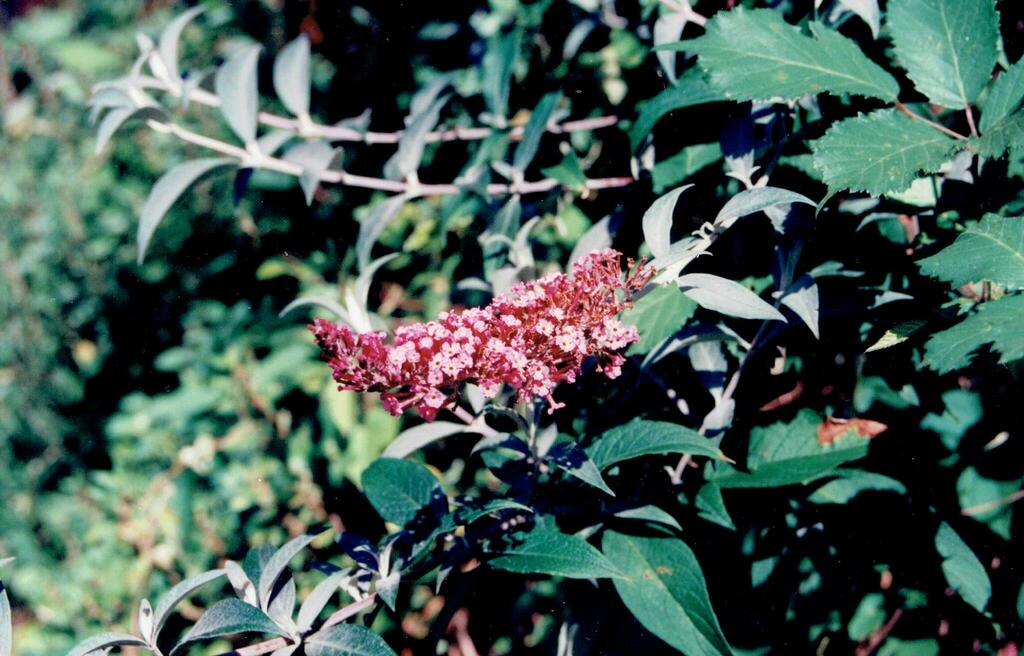
The butterfly bush is a fast growing shrub that produces long, fragrant flower spikes. It is a favorite for attracting pollinators like butterflies and bees to your garden. You will love how it brings life to your outdoor space during the summer months.

At a glance
- Care level
- Easy
- Plant type
- Deciduous shrub
- Light
- Full sun
- Indoor light
- Direct sun
- Water
- Every 7 to 14 days
- Mature size
- 6 to 12 feet
- Growth rate
- Fast
- Hardiness
- USDA 5 to 9
- Bloom time
- Mid summer to early autumn
Care
Plant this shrub in a spot with plenty of sun and well draining soil. Keep an eye out for wilting leaves which may indicate it needs more water during hot spells. Pruning back hard in late winter helps maintain a tidy shape and encourages more blooms.
- Watering
- Water deeply once the top few inches of soil feel dry to the touch.
- Feeding
- Apply a balanced fertilizer once in early spring to support vigorous growth.
- Pruning
- Cut back the branches significantly in late winter or early spring before new growth starts.
- Repotting
- If kept in a container, move to a larger pot every few years when roots become crowded.
- Soil
- Well draining, fertile soil
- Soil pH
- 6.0 to 7.5
- Temperature
- -20 to 35°C
- Humidity
- 40 to 70%
- Drought tolerance
- High
- Lifespan
- Perennial, typically 10 to 20 years
- Fragrance
- Strong
- Deer and rabbits
- High
Signs it needs repotting
- Roots growing out of the drainage holes.
- Water running straight through the pot without soaking in.
- Stunted growth during the active season.
Safety
- People
- The plant is generally considered to have low toxicity but should not be consumed.
- Pets
- This plant is generally considered non toxic to cats and dogs.
- Children
- The small seeds and dried flower parts could pose a choking hazard if ingested by small children.
- Contact allergens
- Handling the foliage may cause mild skin irritation in sensitive individuals.
- Airborne allergens
- The abundant pollen can trigger hay fever symptoms in those with allergies.
- Edibility
- This plant is not considered edible and ingestion may cause digestive upset.
How to identify it
- Long, arching panicles of tiny flowers
- Lance shaped leaves with serrated edges
- Grayish green foliage color
- Fast growing woody stems
- Height
- 1.5 to 3m
- Spread
- 1.5 to 3m
- Leaves
- green, gray-green, deciduous
- Flowers
- purple, pink, white, blue, 10 to 30cm
- Fruit
- brown, Autumn
Problems to watch for
- AphidsCommon
- Spider MitesCommon
- Japanese BeetlesUncommon
- Root RotUncommon
By symptom
Check your butterfly bush from a photo
Pocket Botanist looks at a photo of your plant and tells you what's wrong and what to try first.
Growing it
- Propagation
- cuttings, seed
- When to plant
- spring, autumn
- Overwintering
- Cut back old growth in late winter or early spring before new buds emerge. In colder areas, a layer of mulch around the base helps protect the roots from deep freezes.
- In containers
- It grows well in large containers, provided they are at least 40 liters in volume and have excellent drainage.
Softwood cuttings
- Take 10cm cuttings in early summer.
- Remove lower leaves and dip in rooting hormone.
- Place in moist potting mix until rooted.
Pair with drought tolerant perennials that enjoy full sun to create a low maintenance pollinator habitat.
Grows well with
- Lavender — They share similar sun and drainage requirements.
- Coneflower — Both plants attract butterflies and thrive in sunny borders.
Similar species
- Buddleja alternifolia — It has a similar growth habit but features weeping branches.
Science
- Family
- Scrophulariaceae
- Genus
- Buddleja
- Order
- Lamiales
- Class
- Magnoliopsida
- Native range
- Central and western China.
- Conservation
- It is considered an invasive species in many parts of the world and should be managed carefully.
It thrives in disturbed soils and open areas, often colonizing rocky slopes and riverbanks.
- Value to wildlife
- nectar source
- Pollinators
- butterflies, bees, moths
- Uses
- ornamental shrub, pollinator garden
Through the year
Ecological indicators
- Salinity
- 2/9
- Soil reaction
- 6/9
- Light
- 8/9
- Moisture
- 4/9
- Temperature
- 6/9
- Nutrients
- 5/9
Taxonomy resolved against GBIF.
Questions people ask
- Do I need to prune it?
- Yes, hard pruning in early spring encourages vigorous growth and more flowers.
- Is it invasive?
- It is highly invasive in many regions, so check your local regulations before planting.
Where the name comes from
The genus honors the English botanist Adam Buddle, while the species name commemorates the French missionary and botanist Armand David.
Good to know
- It produces a honey-like scent that attracts a wide variety of insects.
- The plant grows very quickly and can reach its full size in just a few seasons.
- It is native to central China and was introduced to Europe in the late 19th century.
Also in
Keep your butterfly bush growing
This page is a general guide. Save your plant in Pocket Botanist and you get care reminders timed for this plant, plus a care history that shows what worked.
This guide was generated with AI and checked against GBIF taxonomy. It is general information, not horticultural or veterinary advice. Read about how we build these guides.