 Pocket Botanist
Plant guide
Bougainvillea.
Bougainvillea glabra
Pronounced boo-gan-VIL-ee-uh GLAY-bruh
Also known as Bougainvillea, Paper Flower, Paperflower



Scan with your phone's camera to get the app
Or go to pocketbotanist.app/get on your phone
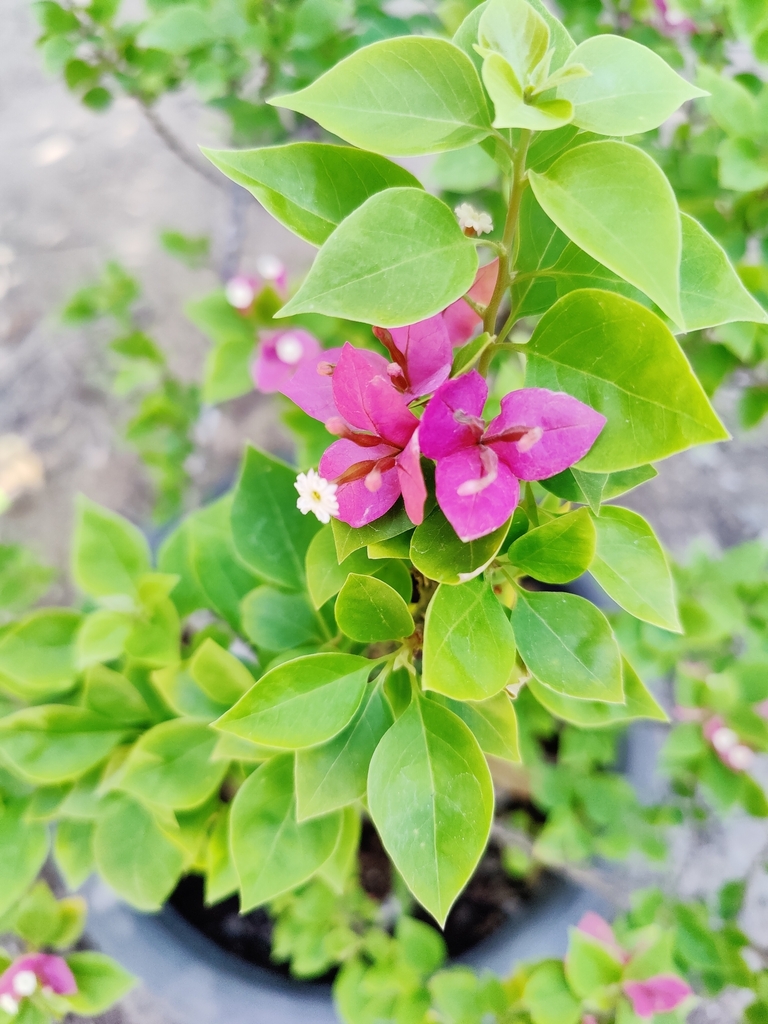
Bougainvillea is a stunning tropical vine known for its vibrant, papery bracts that surround tiny white flowers. It thrives in warm climates and loves soaking up the sun. You will find it makes a fantastic statement piece for a sunny patio or garden wall.
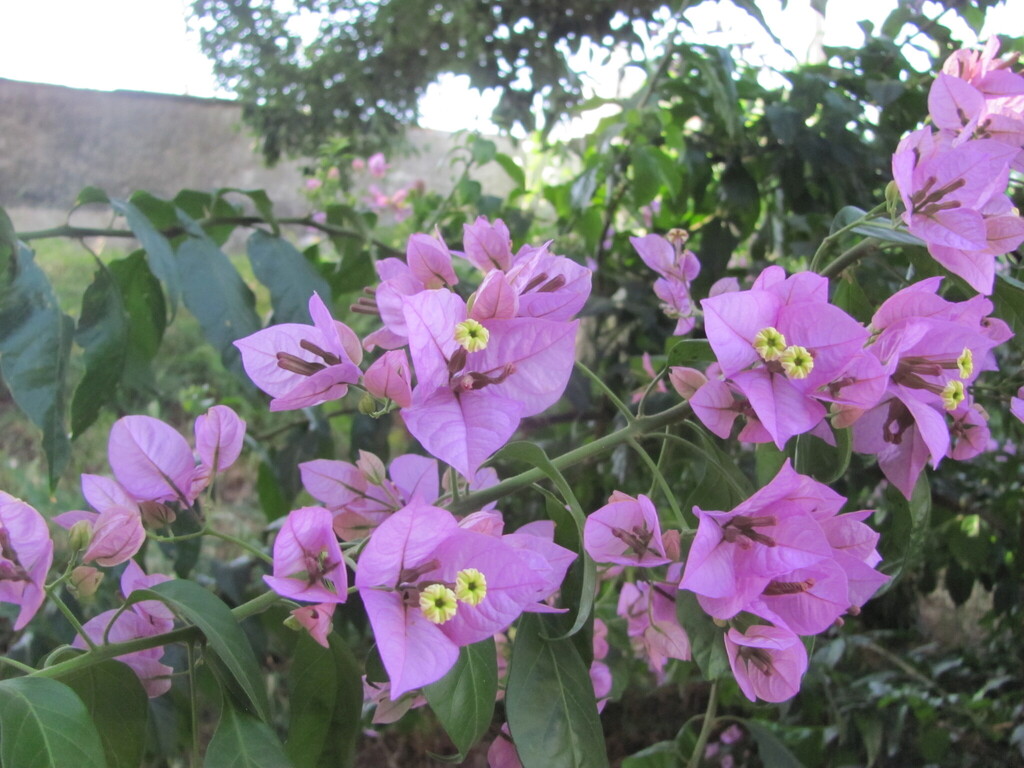
At a glance
- Care level
- Moderate
- Plant type
- Vining shrub
- Light
- Full sun
- Indoor light
- Direct sun
- Water
- Every 7 to 14 days
- Mature size
- 15 to 30 feet
- Growth rate
- Fast
- Hardiness
- USDA 9 to 11
- Bloom time
- Spring to autumn
Care
Give this plant as much direct sunlight as possible to encourage blooming. Allow the soil to dry out significantly between waterings to prevent root rot. Watch for yellowing leaves which often signal overwatering or poor drainage.
- Watering
- Water deeply only when the top few inches of soil feel dry to the touch.
- Feeding
- Apply a balanced liquid fertilizer during the active growing season to support heavy blooming.
- Pruning
- Trim back long stems after a flowering cycle to maintain shape and encourage bushier growth.
- Repotting
- Repot only when the plant becomes root bound, as they actually prefer a tighter container to bloom well.
- Soil
- Well draining sandy loam
- Soil pH
- 5.5 to 6.0
- Temperature
- 1 to 38°C
- Humidity
- 30 to 60%
- Drought tolerance
- High
- Lifespan
- Perennial, typically 10 to 20 years
- Deer and rabbits
- High
Signs it needs repotting
- Roots growing out of the drainage holes.
- Water running straight through the pot without soaking in.
- Stunted growth despite proper care.
Safety
- People
- The sap can cause skin irritation and contact dermatitis upon handling.
- Pets
- The sap can cause mild skin irritation and stomach upset if ingested by cats or dogs.
- Children
- The sharp, woody thorns pose a significant risk of puncture wounds to children.
- Contact allergens
- The sharp thorns can cause mechanical injury and the sap may irritate sensitive skin.
- Airborne allergens
- There is no significant evidence of airborne allergens from this plant.
- Edibility
- The plant is not considered edible and ingestion may cause gastrointestinal distress.
How to identify it
- Brightly colored papery bracts
- Small white tubular flowers
- Thorny woody stems
- Evergreen ovate leaves
- Height
- 3 to 6m
- Spread
- 2 to 4m
- Leaves
- green, evergreen
- Flowers
- pink, purple, white, 2 to 5cm
Problems to watch for
- AphidsCommon
- Root RotCommon
- Spider MitesCommon
- ChlorosisUncommon
- Scale InsectsUncommon
- Sooty MoldUncommon
Check your bougainvillea from a photo
Pocket Botanist looks at a photo of your plant and tells you what's wrong and what to try first.
Scan with your phone's camera to get the app
Or go to pocketbotanist.app/get on your phone
Growing it
- Propagation
- cuttings, layering
- When to plant
- spring
- Overwintering
- Move containers indoors to a bright, cool location before the first frost. Reduce watering significantly during the winter months to allow the plant to rest.
- In containers
- It thrives in containers, provided the pot has large drainage holes and is at least 30 centimeters wide.
Stem cuttings
- 1. Take a 15 centimeter cutting from semi-hardwood growth.
- 2. Remove lower leaves and dip the end in rooting hormone.
- 3. Plant in a well draining potting mix.
- 4. Keep in a warm, humid spot until roots develop.
Pair with other drought tolerant, sun loving plants to ensure they all thrive under the same watering schedule.
Grows well with
Similar species
- Bougainvillea spectabilis · It is a larger, more vigorous climber with hairy leaves.
Science
- Family
- Nyctaginaceae
- Genus
- Bougainvillea
- Order
- Caryophyllales
- Class
- Magnoliopsida
- Native range
- Coastal Brazil
- Conservation
- This species is not currently listed as endangered or threatened in its native range.
It survives in dry, rocky environments by developing deep roots and tolerating intense solar radiation.
- Value to wildlife
- nectar source
- Pollinators
- butterflies, hummingbirds
- Uses
- ornamental vine, privacy screen, container plant, topiary
Through the year
Ecological indicators
- Salinity
- 5/9
- Soil reaction
- 6/9
- Light
- 8/9
- Temperature
- 8/9
- Moisture
- 3/9
- Nutrients
- 3/9
Taxonomy resolved against GBIF.
Questions people ask
- Why is my bougainvillea not blooming?
- It likely needs more direct sunlight or is receiving too much water and fertilizer.
- Can I grow it in a pot?
- Yes, it grows well in containers if given excellent drainage and a sunny spot.
Where the name comes from
The genus honors Louis Antoine de Bougainville, while the species name glabra refers to the smooth, hairless leaves.
Good to know
- Bougainvillea is named after the French explorer Louis Antoine de Bougainville.
- It thrives in poor soil and intense heat.
- The plant is native to coastal Brazil.
- It is a popular choice for bonsai enthusiasts.
- The bracts retain their color even after they dry.
Also in
Keep your bougainvillea growing
This page is a general guide. Save your plant in Pocket Botanist and you get care reminders timed for this plant, plus a care history that shows what worked.
Scan with your phone's camera to get the app
Or go to pocketbotanist.app/get on your phone
This guide was generated with AI on and checked against GBIF taxonomy. It is general information, not horticultural or veterinary advice. Read about how we build these guides.