 Pocket Botanist
Pflanzenratgeber
Frankincense.
Boswellia sacra
Aussprache boz-WELL-ee-uh SAK-ruh
Auch bekannt als frankincense, olibanum-tree


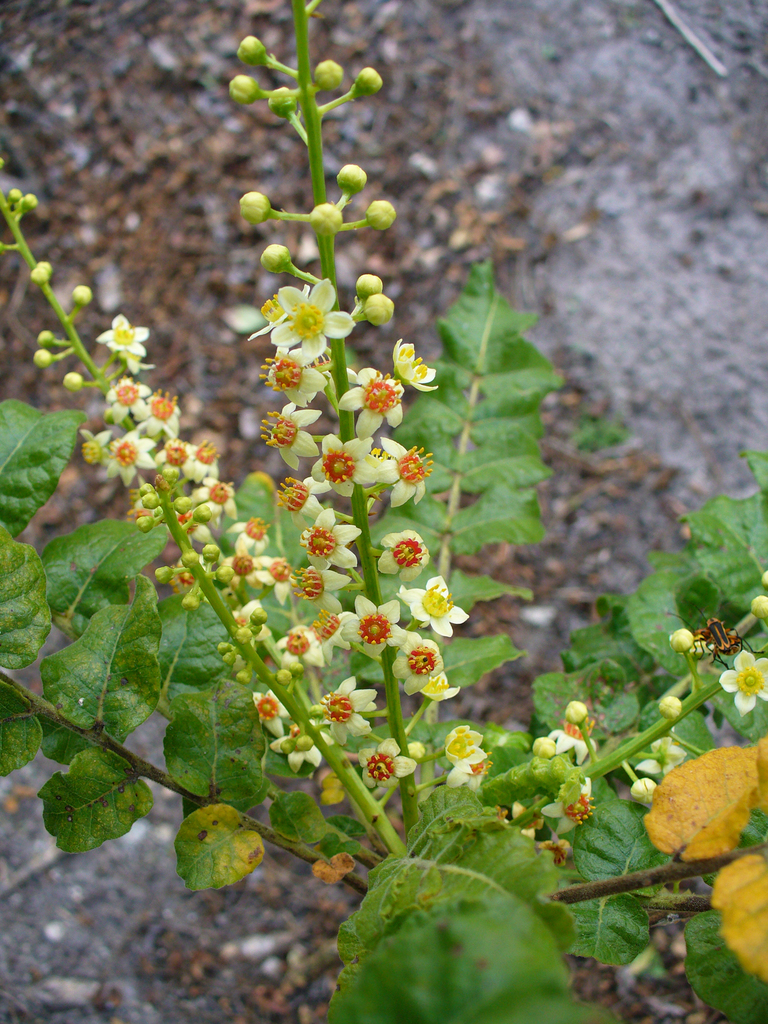
Frankincense is a beautiful, slow growing tree known for the aromatic resin it produces. It thrives in arid conditions and brings a unique, desert aesthetic to your space. You will love its papery bark and delicate, feathery leaves.

Auf einen Blick
- Pflegestufe
- Mittel
- Pflanzenart
- Deciduous tree
- Licht
- Full sun
- Licht im Innenraum
- Direkte Sonne
- Gießen
- Alle 14 bis 30 Tage
- Endgröße
- 15 to 20 feet
- Wachstum
- Langsam
- Winterhärte
- USDA 10 bis 12
- Blütezeit
- Late winter to early spring
Pflege
Keep this tree in a very sunny spot and allow the soil to dry out completely between waterings. Watch for yellowing leaves, which often signal that the plant is sitting in too much moisture. It prefers a gritty, well draining soil mix to mimic its rocky native habitat.
- Gießen
- Water sparingly, ensuring the soil dries out entirely to prevent root rot.
- Düngen
- Apply a balanced, diluted fertilizer only during the active growing season.
- Schneiden
- Prune lightly in late winter to maintain shape and remove any dead branches.
- Umtopfen
- Repot only when the tree has clearly outgrown its current container, as it prefers to be somewhat root bound.
- Boden
- Sandy or rocky, well draining
- Boden-pH
- Neutral to slightly alkaline
- Temperatur
- 10 bis 40°C
- Luftfeuchtigkeit
- 10 bis 40%
- Trockenheitstoleranz
- Hoch
- Lebensdauer
- Perennial, can live for several hundred years.
- Duft
- Stark
- Wildverbiss-Resistenz
- Hoch
Anzeichen fürs Umtopfen
- Roots growing out of the drainage holes.
- Water sitting on the surface for too long.
- The tree stops growing during the active season.
Sicherheit
- Menschen
- The plant is generally non-toxic, but the resin should be used with care as it can cause mild irritation in sensitive individuals.
- Kinder
- Keep away from children as the small, hard seeds and sharp branches pose minor physical risks.
- Kontaktallergene
- Handling the raw resin or sap may cause contact dermatitis in sensitive people.
- Allergene in der Luft
- Burning the resin releases smoke that can irritate the lungs of those with asthma or sensitivities.
- Essbarkeit
- While the resin is traditionally chewed, the plant itself is not considered a food source and should not be ingested.
So erkennst du die Pflanze
- Papery, peeling bark
- Feathery, pinnate leaves
- Small white or yellow flowers
- Produces aromatic resin
- Höhe
- 2 bis 8m
- Breite
- 1,5 bis 5m
- Blätter
- green, yellow-green, deciduous
- Blüten
- white, yellow, 0,5 bis 1cm
- Früchte
- brown, Summer
Häufige Probleme
- Root rot — Occurs when the soil remains too wet for extended periods.
- Scale insects — Small sap-sucking insects that can weaken the tree.
Standort und Pflege
- Vermehrung
- seed, cuttings
- Pflanzzeit
- spring
- Überwinterung
- Keep the plant in a bright, warm location and reduce watering to almost nothing during the cooler months to mimic its natural dormancy.
- Im Kübel
- It grows well in containers if you use a gritty, fast-draining cactus mix and a pot with large drainage holes.
Seed Sowing
- 1. Use a very sandy, well-draining seed starter mix.
- 2. Press seeds lightly into the surface.
- 3. Keep warm and barely moist until germination.
Cuttings
- 1. Take a semi-hardwood cutting in spring.
- 2. Allow the cut end to callus for several days.
- 3. Insert into dry, sandy soil and wait for roots to form.
Group with other desert succulents that require minimal water to prevent accidental overwatering.
Gute Pflanzpartner
- Echte Aloe — They share similar requirements for arid conditions and well-draining soil.
- Wüstenrose — This companion thrives in the same high-heat, low-water environment.
Ähnliche Arten
- Boswellia serrata — A related species also used for resin production.
Botanisches
- Familie
- Burseraceae
- Gattung
- Boswellia
- Ordnung
- Sapindales
- Klasse
- Magnoliopsida
- Ursprüngliche Heimat
- Oman, Yemen, and parts of Somalia.
- Artenschutz
- The species is considered near threatened due to over-harvesting and habitat loss in its native range.
It thrives in arid, rocky environments where its roots can penetrate limestone crevices to access deep moisture.
- Nutzen für Wildtiere
- nectar source
- Bestäuber
- Bienen
- Verwendung
- incense production, ornamental specimen, traditional medicine
Im Jahresverlauf
Ökologische Zeigerwerte
- Salzgehalt
- 4/9
- Bodenreaktion
- 8/9
- Licht
- 9/9
- Temperatur
- 8/9
- Feuchtigkeit
- 1/9
- Nährstoffe
- 2/9
Taxonomie abgeglichen mit GBIF.
Häufige Fragen
- Can I grow this indoors?
- It is difficult but possible if you provide intense light and very well-draining soil.
- How often should I water it?
- Water sparingly, allowing the soil to dry out completely between sessions.
Woher der Name kommt
The genus name Boswellia honors the Scottish botanist John Boswell, while sacra refers to its sacred status in ancient religious rituals.
Gut zu wissen
- The trees often grow directly out of limestone cliffs.
- Frankincense has been traded for over 5,000 years.
- The bark peels in papery layers.
- It is a slow-growing tree that can live for centuries.
Auch in
Probleme mit Frankincense?
Diese Seite bietet allgemeine Infos. Pocket Botanist erkennt Probleme anhand eines Fotos deiner echten Pflanze, passt das Gießen an dein Licht und deinen Standort an und erinnert dich an die Pflege.
Dieser Ratgeber wurde mit KI erstellt und mit der GBIF-Taxonomie abgeglichen. Er dient zur allgemeinen Information und ersetzt keine gärtnerische oder tierärztliche Beratung. Hier erfährst du, wie wir diese Ratgeber erstellen.