 Pocket Botanist
Plant guide
Tarragon.
Artemisia dracunculus
Pronounced ar-te-MIZ-ee-uh drak-UN-kew-lus
Also known as French tarragon, Russian tarragon, Tarragon, dragon sagewort, dragon wormwood, false tarragon, french-tarragon, green sagewort



Scan with your phone's camera to get the app
Or go to pocketbotanist.app/get on your phone
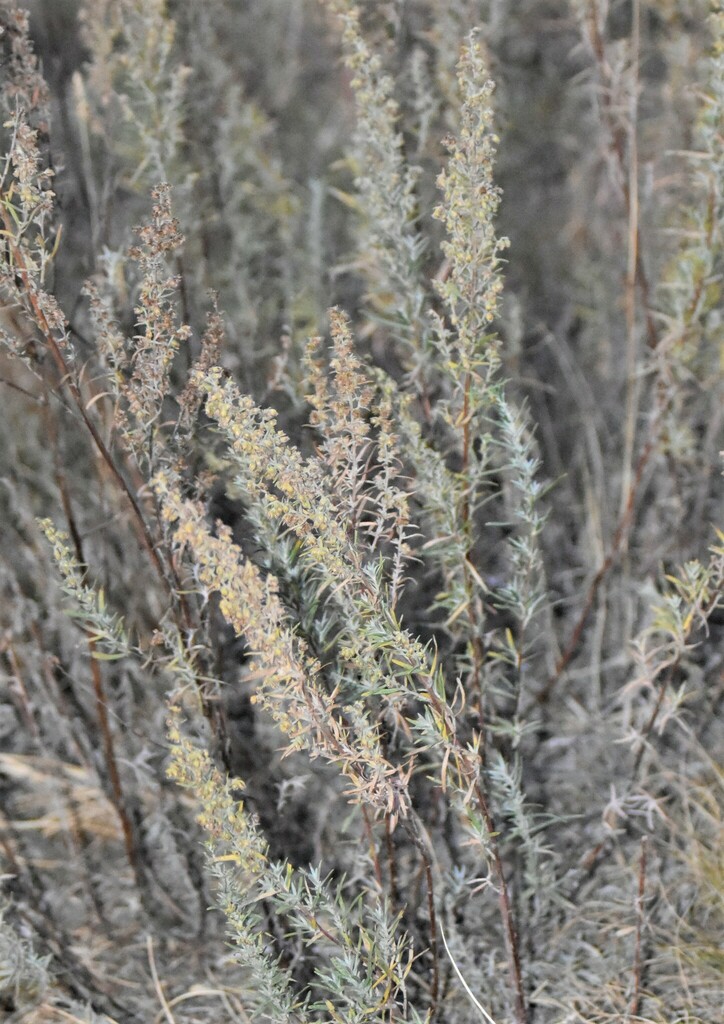
Tarragon is a lovely perennial herb known for its distinct anise flavor. It thrives in sunny spots and adds a wonderful touch to any kitchen garden. You will find it is quite hardy if you keep its roots well drained.
At a glance
- Care level
- Moderate
- Plant type
- Perennial herb
- Light
- Full sun
- Indoor light
- Direct sun
- Water
- Every 5 to 10 days
- Mature size
- 2 to 3 feet
- Growth rate
- Medium
- Hardiness
- USDA 4 to 8
- Bloom time
- Mid to late summer
Care
Plant in well draining soil to prevent root rot. Watch for yellowing leaves which often signal too much moisture. Keep the area around the base clear of weeds to ensure good airflow.
- Watering
- Water when the top inch of soil feels dry to the touch.
- Feeding
- Apply a balanced liquid fertilizer sparingly during the active growing season.
- Pruning
- Trim back stems regularly to encourage bushier growth and prevent flowering.
- Repotting
- Repot when the plant becomes root bound or the soil loses its structure.
- Soil
- Sandy or loamy well draining soil
- Soil pH
- 6.5 to 7.5
- Temperature
- -20 to 35°C
- Humidity
- 30 to 50%
- Drought tolerance
- Moderate
- Lifespan
- Perennial, typically 3 to 5 years.
- Fragrance
- Strong
- Deer and rabbits
- High
Signs it needs repotting
- Roots growing out of drainage holes
- Water running straight through the pot
- Stunted growth during the active season
Safety
- People
- This plant is generally considered safe for culinary use in moderate amounts.
- Children
- No specific risks for children, though always supervise when they are in the garden.
- Contact allergens
- Some individuals may experience mild skin irritation from handling the foliage.
- Airborne allergens
- The pollen can trigger mild allergic reactions in sensitive individuals during late summer.
- Edibility
- Ensure you have true French tarragon, as Russian tarragon is often sold as a substitute but lacks the signature flavor.
How to identify it
- Narrow lance shaped green leaves
- Smooth hairless stems
- Small greenish yellow flower clusters
- Strong aromatic anise scent
- Height
- 0.6 to 1.2m
- Spread
- 0.3 to 0.6m
- Leaves
- green, deciduous
- Flowers
- yellow, green, 0.2 to 0.3cm
Problems to watch for
- Root rot · Occurs when soil is too heavy or poorly drained.
- Powdery mildew · Appears as a white dusty coating on leaves during humid weather.
Check your tarragon from a photo
Pocket Botanist looks at a photo of your plant and tells you what's wrong and what to try first.
Scan with your phone's camera to get the app
Or go to pocketbotanist.app/get on your phone
Growing it
- Propagation
- division, cuttings
- When to plant
- spring, fall
- Overwintering
- Cut the stems back to the ground after the first frost. Apply a light layer of mulch to protect the roots from extreme temperature swings.
- In containers
- It grows well in containers at least 30 cm deep with excellent drainage.
Division
- 1. Dig up the plant in early spring.
- 2. Use a sharp spade to divide the root clump.
- 3. Replant sections immediately in well draining soil.
Plant in a dedicated herb patch with good drainage to prevent root competition.
Grows well with
Similar species
- Russian Tarragon · It looks similar but has a much coarser texture and lacks the distinct anise flavor.
Science
- Family
- Asteraceae
- Genus
- Artemisia
- Order
- Asterales
- Class
- Magnoliopsida
- Native range
- Central Asia and parts of Europe.
- Conservation
- Not of conservation concern.
It grows in well drained, rocky soils where it can establish a deep root system to survive dry periods.
- Value to wildlife
- nectar source
- Pollinators
- bees, butterflies
- Uses
- culinary herb, herb garden, flavoring vinegars
Through the year
Ecological indicators
- Salinity
- 2/9
- Soil reaction
- 6/9
- Light
- 7/9
- Temperature
- 5/9
- Moisture
- 4/9
- Nutrients
- 5/9
Taxonomy resolved against GBIF.
Questions people ask
- Does it need full sun?
- Yes, it thrives best in full sun with at least six hours of direct light.
- How often should I water it?
- Water when the top inch of soil feels dry, but avoid letting it sit in soggy ground.
Where the name comes from
The genus name Artemisia honors the Greek goddess Artemis, while dracunculus refers to the dragon like shape of the roots.
Good to know
- The name tarragon comes from the French word estragon, meaning little dragon.
- It is a key ingredient in the classic French herb blend fines herbes.
- Ancient Greeks chewed the leaves to numb toothaches.
Also in
Keep your tarragon growing
This page is a general guide. Save your plant in Pocket Botanist and you get care reminders timed for this plant, plus a care history that shows what worked.
Scan with your phone's camera to get the app
Or go to pocketbotanist.app/get on your phone
This guide was generated with AI on and checked against GBIF taxonomy. It is general information, not horticultural or veterinary advice. Read about how we build these guides.