 Pocket Botanist
Plant guide
Horned Violet.
Viola cornuta
Pronounced vy-OH-lah kor-NOO-tah
Also known as Horned Pansy, bedding pansy, horned violet, tufted pansy, viola


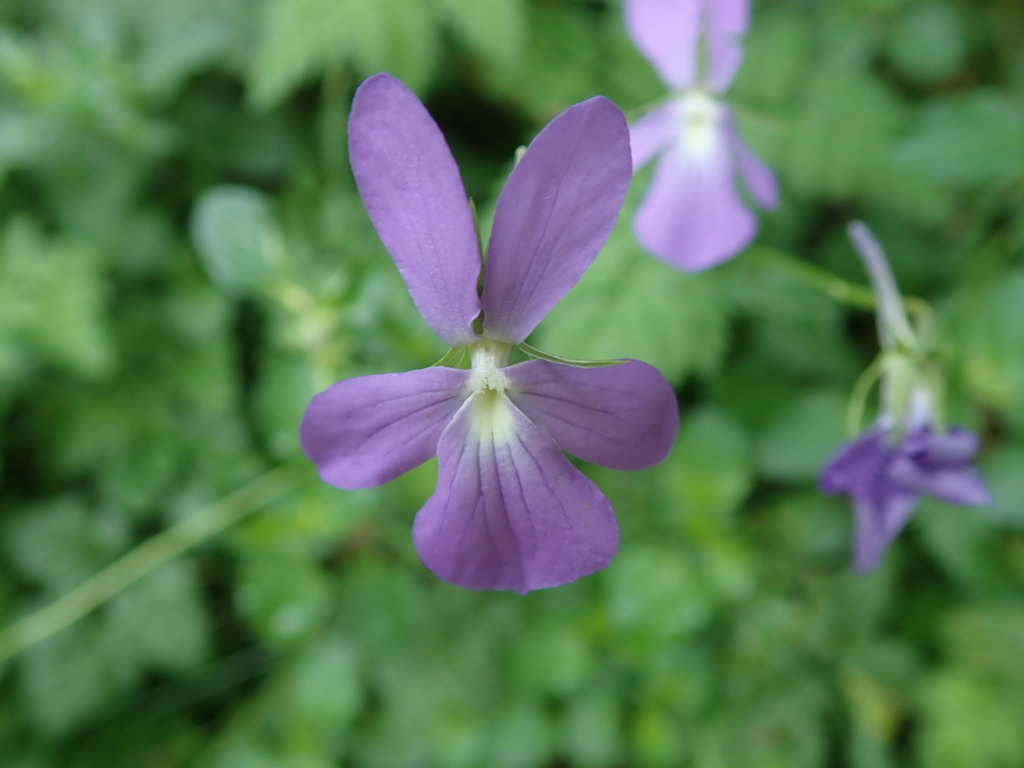
Horned violets are charming, low growing perennials that bring a splash of color to cool season gardens. They are known for their sweet, slightly fragrant flowers that feature a small spur at the back. These plants thrive in temperate climates and are perfect for borders or containers.
At a glance
- Care level
- Easy
- Plant type
- Herbaceous perennial
- Light
- Full sun to partial shade
- Indoor light
- bright-indirect
- Water
- Every 3 to 7 days
- Mature size
- 20 to 30 cm
- Growth rate
- medium
- Hardiness
- USDA 6 to 9
- Bloom time
- Spring to early summer
Care
Keep the soil consistently moist but not waterlogged to encourage steady blooming. Deadhead spent flowers regularly to extend the flowering season. Watch for aphids or slugs that might enjoy the tender foliage.
- Watering
- Water when the top inch of soil feels dry to the touch.
- Feeding
- Apply a balanced liquid fertilizer once a month during the active growing season.
- Pruning
- Trim back leggy stems and remove faded blooms to promote new growth.
- Repotting
- Repot in fresh soil every spring if the plant becomes root bound.
- Soil
- Well draining, humus rich soil
- Soil pH
- 6.0 to 7.5
- Temperature
- -10 to 25°C
- Humidity
- 40 to 60%
- Drought tolerance
- low
- Lifespan
- Perennial, typically 2 to 3 years.
- Fragrance
- light
- Deer and rabbits
- low
Signs it needs repotting
- Roots growing out of the drainage holes.
- Water running straight through the pot without soaking in.
- The plant looks stunted despite regular care.
Safety
- People
- This plant is generally considered non toxic to humans.
- Pets
- This plant is generally considered non-toxic to cats and dogs.
- Children
- The plant is safe for children, though small parts could pose a minor choking hazard if ingested.
- Contact allergens
- There are no notable skin irritants associated with this plant.
- Airborne allergens
- Some individuals may experience mild hay fever symptoms if they are sensitive to violet pollen.
- Edibility
- While the flowers are technically edible, you should only consume them if they were grown without synthetic pesticides or fertilizers.
How to identify it
- Small, spurred, five petaled flowers
- Oval to heart shaped leaves
- Low growing, clumping habit
- Delicate, often bicolored petals
- Height
- 0.15 to 0.25m
- Spread
- 0.2 to 0.3m
- Leaves
- green, semi-evergreen
- Flowers
- purple, blue, yellow, white, 2 to 4cm
Common problems
- Aphids — Small insects that cluster on new growth and suck plant juices.
- Powdery mildew — A fungal condition causing white dusty spots on leaves.
- Slugs — Gastropods that chew irregular holes in the foliage.
Growing it
- Propagation
- seed, division, cuttings
- When to plant
- spring, autumn
- Overwintering
- In mild climates, they stay green all winter. In colder areas, apply a light layer of mulch to protect the roots from deep freezes.
- In containers
- They are excellent for containers and hanging baskets, requiring at least a 6 inch pot for a single plant.
Seed Sowing
- Sow seeds indoors 8 to 10 weeks before the last frost.
- Cover seeds lightly as they need some darkness to germinate.
- Keep the soil moist and maintain a temperature near 65 degrees Fahrenheit.
- Transplant seedlings into the garden once the danger of frost has passed.
Plant them in the foreground of your beds to ensure they get enough light and aren't shaded out by taller perennials.
Grows well with
- Tulip — They provide a beautiful carpet of color beneath taller spring bulbs.
- English Daisy — Both plants enjoy similar cool weather and moisture levels.
- Forget Me Not — They create a lovely, cottage style display when planted together.
Similar species
- Garden Pansy — It has much larger flowers but a similar growth habit.
- Sweet Violet — It is a low growing relative known for its intense fragrance.
Science
- Family
- Violaceae
- Genus
- Viola
- Order
- Malpighiales
- Class
- Magnoliopsida
- Native range
- Pyrenees mountains and northern Spain.
- Conservation
- This species is common and not of conservation concern.
It thrives in cool, moist mountain meadows where it spreads through low growing stolons.
- Value to wildlife
- early season nectar source
- Pollinators
- bees, butterflies
- Uses
- edible garnish, spring bedding, container filler, rock gardens
Through the year
Ecological indicators
- Salinity
- 2/9
- Soil reaction
- 6/9
- Light
- 6/9
- Temperature
- 4/9
- Moisture
- 6/9
- Nutrients
- 5/9
Taxonomy resolved against GBIF.
Questions people ask
- Do I need to deadhead them?
- Yes, removing spent blooms encourages the plant to produce more flowers throughout the season.
- Can they handle full sun?
- They prefer full sun in cooler weather but appreciate some afternoon shade when temperatures climb.
Where the name comes from
The genus name Viola is the classical Latin name for these flowers, while cornuta describes the horn like spur on the back of the petal.
Good to know
- Viola cornuta is a perennial that acts like an annual in very hot climates.
- The name cornuta refers to the small spur on the back of the flower.
- They are closely related to pansies but have smaller, more numerous blooms.
- These plants often self seed and will return to your garden year after year.
Is your horned violet looking unwell?
This page is a general guide. Pocket Botanist diagnoses problems from a photo of your actual plant, works out watering for your light and conditions, and reminds you when care is due.
This guide was generated with AI and checked against GBIF taxonomy. It is general information, not horticultural or veterinary advice. Read about how we build these guides.