 Pocket Botanist
Plant guide
Primrose.
Primula vulgaris
Pronounced PRIM-yoo-luh vul-GAIR-iss
Also known as English primrose, Primrose



Scan with your phone's camera to get the app
Or go to pocketbotanist.app/get on your phone
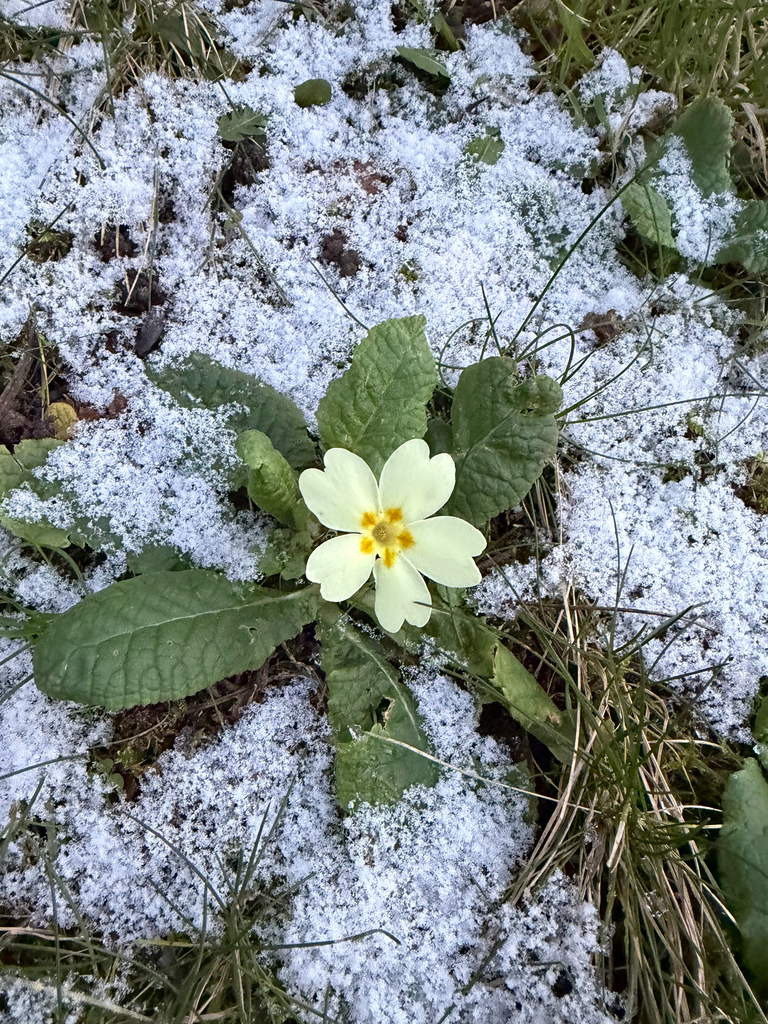
The common primrose is a lovely spring bloomer that brings a cheerful touch to gardens and containers. These plants prefer cooler temperatures and thrive when kept consistently moist. They are perfect for adding color to shaded spots during the early season.

At a glance
- Care level
- Moderate
- Plant type
- Herbaceous perennial
- Light
- Partial shade to full shade
- Indoor light
- Bright indirect
- Water
- Every 3 to 7 days
- Mature size
- 6 to 8 inches
- Growth rate
- Medium
- Hardiness
- USDA 4 to 8
- Bloom time
- Early to mid spring
Care
Keep the soil evenly moist but never soggy to prevent root rot. Watch for wilting leaves, which often signal that the plant is too dry or getting too much heat. Deadhead spent flowers to encourage the plant to keep blooming for longer.
- Watering
- Water whenever the top inch of soil feels dry to the touch.
- Feeding
- Use a balanced liquid fertilizer diluted to half strength during the active growing season.
- Pruning
- Remove faded flowers and yellowing leaves to keep the plant tidy and healthy.
- Repotting
- Repot in early spring if the plant becomes root bound in its container.
- Soil
- Rich, well draining, humus rich soil
- Soil pH
- 6.0 to 7.0
- Temperature
- -30 to 25°C
- Humidity
- 50 to 70%
- Drought tolerance
- Low
- Lifespan
- Perennial, typically 3 to 5 years.
- Fragrance
- Light
- Deer and rabbits
- Moderate
Signs it needs repotting
- Roots growing out of the drainage holes
- Stunted growth during the spring
- Soil drying out too quickly
Safety
- People
- The plant contains primin, which can cause contact dermatitis in sensitive individuals.
- Pets
- This plant is listed by the ASPCA as toxic to cats and dogs. Eating it usually causes mild vomiting.
- Children
- The plant is not considered dangerous, but it is best to keep children from handling the foliage due to potential skin irritation.
- Contact allergens
- The glandular hairs on the leaves and stems can cause skin irritation or rashes upon contact.
- Airborne allergens
- The pollen is generally not considered a significant airborne allergen.
- Edibility
- While flowers are sometimes used as a garnish, ensure they are grown without pesticides and avoid consumption if you have known plant allergies.
How to identify it
- Crinkled, pale green basal leaves
- Single flowers with five petals
- Yellow centers on soft petals
- Low growing, rosette habit
- Height
- 0.1 to 0.2m
- Spread
- 0.15 to 0.3m
- Leaves
- bright green, semi-evergreen
- Flowers
- pale yellow, 2 to 4cm
Problems to watch for
- Slugs and SnailsCommon
- Vine WeevilCommon
- AphidsUncommon
- Gray MoldUncommon
- Leaf SpotUncommon
- Root RotUncommon
Check your primrose from a photo
Pocket Botanist looks at a photo of your plant and tells you what's wrong and what to try first.
Scan with your phone's camera to get the app
Or go to pocketbotanist.app/get on your phone
Growing it
- Propagation
- division, seed
- When to plant
- early spring, autumn
- Overwintering
- Keep the soil slightly moist but not waterlogged during the winter months. A light mulch can help protect the crown in colder regions.
- In containers
- They grow well in pots, provided the container has good drainage and the soil is kept consistently moist.
Division
- 1. Dig up a mature clump after flowering.
- 2. Gently pull the root mass apart into smaller sections.
- 3. Ensure each section has healthy roots and foliage.
- 4. Replant immediately in moist soil.
Plant them in groups under deciduous trees to enjoy the light before the canopy fills in.
Grows well with
- Hellebore · They share similar shade and moisture requirements.
- Wood Anemone · These woodland companions bloom at the same time.
Similar species
- Cowslip · It is a related species with similar growth habits but different flower clusters.
Science
- Family
- Primulaceae
- Genus
- Primula
- Order
- Ericales
- Class
- Magnoliopsida
- Native range
- Western and southern Europe.
- Conservation
- It is common in the wild, but avoid collecting plants from protected natural habitats.
It grows in damp, shaded woodland clearings where it can access moisture throughout the growing season.
- Value to wildlife
- early nectar source
- Pollinators
- bees, butterflies
- Uses
- woodland gardens, rock gardens, container planting, border edging
Through the year
Ecological indicators
- Salinity
- 1/9
- Soil reaction
- 6/9
- Light
- 3/9
- Temperature
- 4/9
- Moisture
- 6/9
- Nutrients
- 5/9
Taxonomy resolved against GBIF.
Questions people ask
- Do primroses need full sun?
- No, they prefer partial shade, especially in warmer climates.
- Can I grow them in pots?
- Yes, they make excellent container plants for spring displays.
Where the name comes from
The name Primula comes from the Latin primus, meaning first, referring to its early spring bloom. The species name vulgaris means common.
Good to know
- Primroses are often associated with youth and new beginnings.
- The flowers are heterostylous, meaning they have two different forms to encourage cross pollination.
- They thrive in cool, moist, shaded spots that mimic their native woodland home.
Also in
Keep your primrose growing
This page is a general guide. Save your plant in Pocket Botanist and you get care reminders timed for this plant, plus a care history that shows what worked.
Scan with your phone's camera to get the app
Or go to pocketbotanist.app/get on your phone
This guide was generated with AI on and checked against GBIF taxonomy. It is general information, not horticultural or veterinary advice. Read about how we build these guides.