 Pocket Botanist
Plant guide
Wood anemone.
Anemone nemorosa
Pronounced uh-NEM-oh-nee nem-oh-ROH-suh
Also known as European thimbleweed, European wood anemone



Scan with your phone's camera to get the app
Or go to pocketbotanist.app/get on your phone
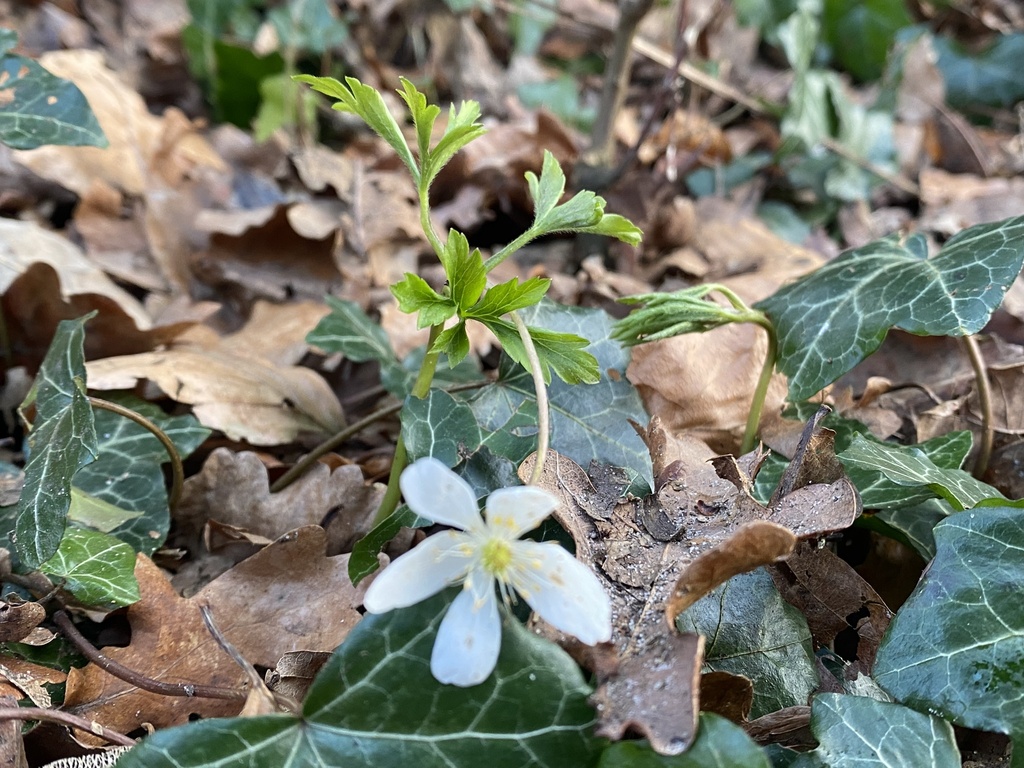
The wood anemone is a charming spring ephemeral that carpets woodland floors with delicate white flowers. It thrives in cool, shaded spots and goes dormant once the summer heat arrives. You will love how it spreads to create a natural, woodland look in your garden.
At a glance
- Care level
- Easy
- Plant type
- Herbaceous perennial
- Light
- Partial shade to full shade
- Indoor light
- Medium light
- Water
- Every 3 to 7 days
- Mature size
- 6 to 12 inches
- Growth rate
- Medium
- Hardiness
- USDA 4 to 8
- Bloom time
- Early to mid spring
Care
Plant these in moist, humus rich soil where they can enjoy dappled shade. Keep an eye out for wilting if the soil dries out too much during their growing season. Once the foliage yellows in late spring, you can let it die back naturally.
- Watering
- Keep the soil consistently moist but never waterlogged during the active growing season.
- Feeding
- Apply a light layer of organic compost or leaf mold in the autumn to support growth.
- Pruning
- Simply remove any dead or yellowed foliage once the plant has finished its spring cycle.
- Repotting
- These plants prefer to stay in the ground, but you can divide the rhizomes every few years to manage spread.
- Soil
- Moist, well draining, humus rich soil
- Soil pH
- Neutral to slightly acidic
- Temperature
- -30 to 25°C
- Humidity
- 40 to 70%
Safety
- People
- The plant contains protoanemonin which causes skin irritation and internal distress if eaten.
- Pets
- This plant is considered toxic to cats and dogs if ingested.
- Children
- Keep this plant away from children as the sap is highly irritating and ingestion is dangerous.
- Contact allergens
- Handling the fresh plant can cause skin blistering or dermatitis in sensitive individuals.
- Airborne allergens
- There is no significant risk of respiratory allergy from this plant.
- Edibility
- All parts of the plant are toxic if ingested and can cause severe irritation.
How to identify it
- Star shaped white flowers
- Deeply lobed palmately divided leaves
- Low growing herbaceous perennial
- Spreads via underground rhizomes
- Height
- 0.1 to 0.2m
- Spread
- 0.15 to 0.3m
- Leaves
- green, deciduous
- Flowers
- white, pale pink, 2 to 4cm
Problems to watch for
- Powdery MildewCommon
- Slugs and SnailsCommon
- Leaf SpotUncommon
- Root RotUncommon
Check your wood anemone from a photo
Pocket Botanist looks at a photo of your plant and tells you what's wrong and what to try first.
Scan with your phone's camera to get the app
Or go to pocketbotanist.app/get on your phone
Growing it
- Propagation
- division, seed
- When to plant
- autumn, early spring
Plant them under deciduous trees where they can enjoy spring sun before the leaves shade them out.
Grows well with
Similar species
- Yellow anemone · It is a similar woodland plant but features yellow flowers.
Science
- Family
- Ranunculaceae
- Genus
- Anemone
- Order
- Ranunculales
- Class
- Magnoliopsida
- Native range
- Europe and western Asia.
- Conservation
- It is common in its native range and not currently of conservation concern.
It thrives in the dappled light of deciduous forests before the tree canopy fully leafs out.
- Value to wildlife
- early season nectar source
- Pollinators
- bees, butterflies
- Uses
- woodland garden, ground cover, spring border
Through the year
Ecological indicators
- Salinity
- 1/9
- Soil reaction
- 6/9
- Light
- 3/9
- Temperature
- 4/9
- Moisture
- 6/9
- Nutrients
- 5/9
Taxonomy resolved against GBIF.
Questions people ask
- Does it stay green all summer?
- No, the foliage typically dies back to the ground by early summer.
- Can I grow it in full sun?
- It prefers partial shade and will struggle in hot, direct sun.
Where the name comes from
The name Anemone comes from the Greek word for wind, while nemorosa means of the woods.
Good to know
- The flowers close up during rain to protect their pollen.
- It spreads slowly via underground rhizomes.
- It is often called the windflower because it sways in the breeze.
Also in
Keep your wood anemone growing
This page is a general guide. Save your plant in Pocket Botanist and you get care reminders timed for this plant, plus a care history that shows what worked.
Scan with your phone's camera to get the app
Or go to pocketbotanist.app/get on your phone
This guide was generated with AI on and checked against GBIF taxonomy. It is general information, not horticultural or veterinary advice. Read about how we build these guides.