 Pocket Botanist
Plant guide
Sweet violet.
Viola odorata
Pronounced vy-OH-luh oh-dor-AY-tuh
Also known as English violet, March violet, Sweet Violet



Scan with your phone's camera to get the app
Or go to pocketbotanist.app/get on your phone
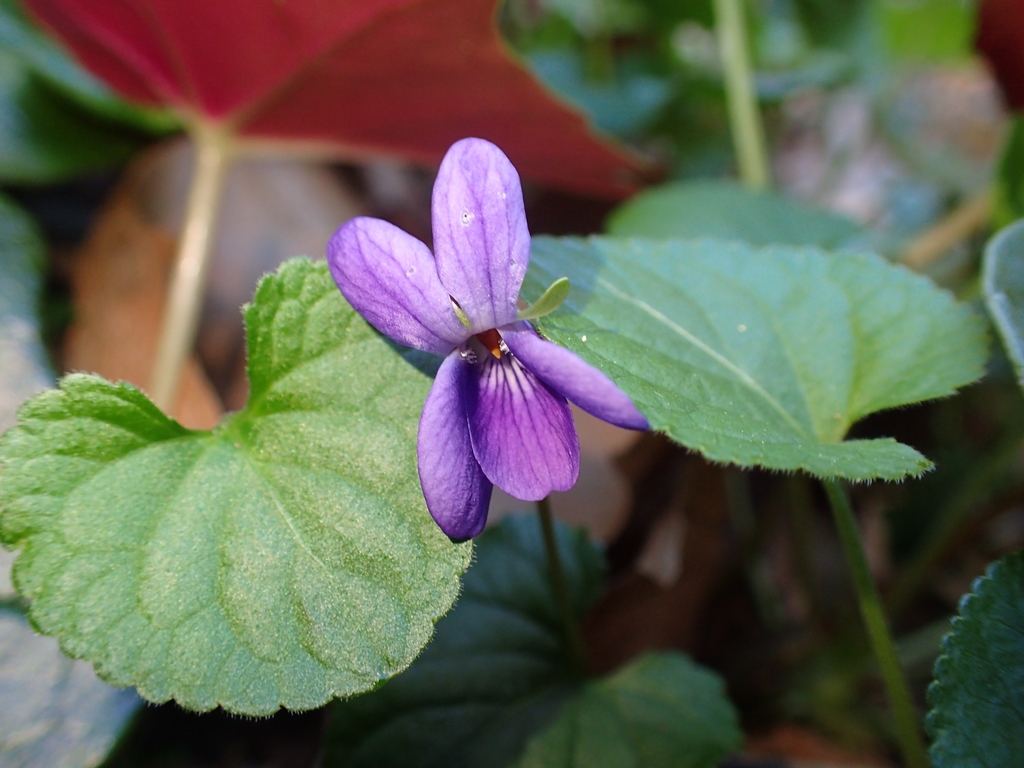
The sweet violet is a charming, low growing perennial known for its fragrant, heart shaped leaves and delicate purple flowers. It thrives in cool, shaded spots and often spreads to form a lovely ground cover. You will love the sweet scent it brings to your garden in early spring.
At a glance
- Care level
- Easy
- Plant type
- Perennial
- Light
- Partial shade to full shade
- Indoor light
- Medium light
- Water
- Every 3 to 7 days
- Mature size
- 6 to 8 inches
- Growth rate
- Medium
- Hardiness
- USDA 5 to 9
- Bloom time
- Late winter to mid spring
Care
Keep the soil consistently moist but not waterlogged to encourage healthy blooms. Watch for wilting leaves as a sign of underwatering or excessive heat. Remove spent flowers to keep the plant tidy and encourage a longer blooming season.
- Watering
- Water whenever the top inch of soil feels dry to the touch.
- Feeding
- Apply a balanced liquid fertilizer once a month during the active growing season.
- Pruning
- Deadhead spent blooms regularly to promote continuous flowering.
- Repotting
- Repot in early spring if the plant becomes root bound or crowded.
- Soil
- Rich, moist, well draining soil
- Soil pH
- 6.0 to 7.5
- Temperature
- -29 to 25°C
- Humidity
- 40 to 70%
- Drought tolerance
- Low
- Lifespan
- Perennial, typically 3 to 5 years.
- Fragrance
- Strong
- Deer and rabbits
- Moderate
Signs it needs repotting
- Roots growing out of the drainage holes.
- Water running straight through the pot without soaking in.
- The plant looks crowded and stops spreading.
Safety
- People
- The plant is generally considered non-toxic, though ingestion of large quantities may cause mild stomach upset.
- Pets
- This plant is generally considered non toxic to cats and dogs.
- Children
- The plant is safe for children, but always supervise them to prevent ingestion of soil or plant debris.
- Contact allergens
- Some individuals may experience mild skin irritation from handling the foliage.
- Airborne allergens
- The pollen is not typically a significant trigger for seasonal allergies.
- Edibility
- While the flowers and leaves are edible, avoid eating plants treated with pesticides or those growing near roadsides.
How to identify it
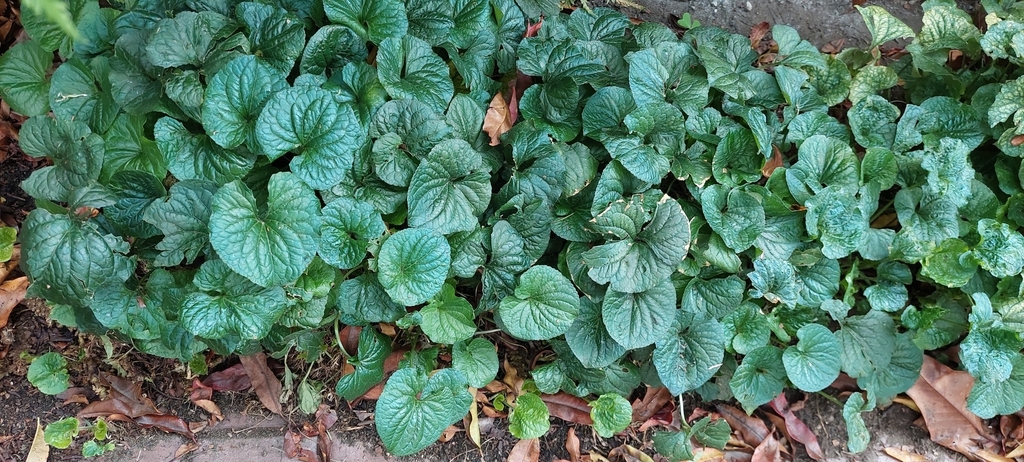
- Heart shaped green leaves
- Fragrant purple or white flowers
- Low growing clumping habit
- Spreads via creeping stolons
- Height
- 0.1 to 0.15m
- Spread
- 0.2 to 0.4m
- Leaves
- dark green, semi-evergreen
- Flowers
- violet, white, 1 to 2cm
Problems to watch for
- Slugs and snails · These pests often chew holes in the leaves during damp weather.
- Powdery mildew · A fungal issue that creates a white dusty coating on leaves in poor air circulation.
Check your sweet violet from a photo
Pocket Botanist looks at a photo of your plant and tells you what's wrong and what to try first.
Scan with your phone's camera to get the app
Or go to pocketbotanist.app/get on your phone
Growing it
- Propagation
- division, seed, runners
- When to plant
- spring, autumn
- Overwintering
- In colder regions, apply a light layer of mulch to protect the roots from extreme freezing. The foliage may die back slightly but will return in early spring.
- In containers
- They grow well in shallow pots or window boxes, provided they have consistent moisture.
Division
- 1. Dig up a mature clump in early autumn.
- 2. Gently pull the root system apart into smaller sections.
- 3. Replant the divisions immediately in moist, rich soil.
Plant these under deciduous trees to provide ground cover before the tree canopy fully leafs out.
Grows well with
Similar species
- Common Blue Violet · A very common relative that is often found in similar garden settings.
Science
- Family
- Violaceae
- Genus
- Viola
- Order
- Malpighiales
- Class
- Magnoliopsida
- Native range
- Europe and parts of Asia and North Africa.
- Conservation
- This species is common and not of conservation concern.
It thrives in the dappled shade of deciduous woodlands, where it can spread via runners to form a lush carpet.
- Value to wildlife
- early season nectar source
- Pollinators
- bees, butterflies
- Uses
- ground cover, edible flowers, woodland gardens, fragrant borders
Through the year
Ecological indicators
- Salinity
- 1/9
- Soil reaction
- 6/9
- Light
- 4/9
- Temperature
- 4/9
- Moisture
- 6/9
- Nutrients
- 5/9
Taxonomy resolved against GBIF.
Questions people ask
- Why do my violets stop blooming?
- They often stop blooming when the weather becomes too hot or if they lack sufficient light.
- Can I grow them in full sun?
- They prefer partial shade, especially in warmer climates where intense sun can scorch the leaves.
Where the name comes from
The name Viola is the Latin word for the flower, while odorata refers to its delightful, sweet scent.
Good to know
- Sweet violets were once used to make syrup for flavoring desserts.
- The flowers have been used in perfumery for centuries.
- They spread naturally through underground runners called stolons.
Also in
Keep your sweet violet growing
This page is a general guide. Save your plant in Pocket Botanist and you get care reminders timed for this plant, plus a care history that shows what worked.
Scan with your phone's camera to get the app
Or go to pocketbotanist.app/get on your phone
This guide was generated with AI on and checked against GBIF taxonomy. It is general information, not horticultural or veterinary advice. Read about how we build these guides.