 Pocket Botanist
Plant guide
Yellow Bells.
Tecoma stans
Pronounced teh-KOH-muh STANZ
Also known as Ginger Thomas, Ginger-Thomas, Golden Seal, Trumpetbush, Yellow Bells, Yellow Blossom, Yellow trumpetbush


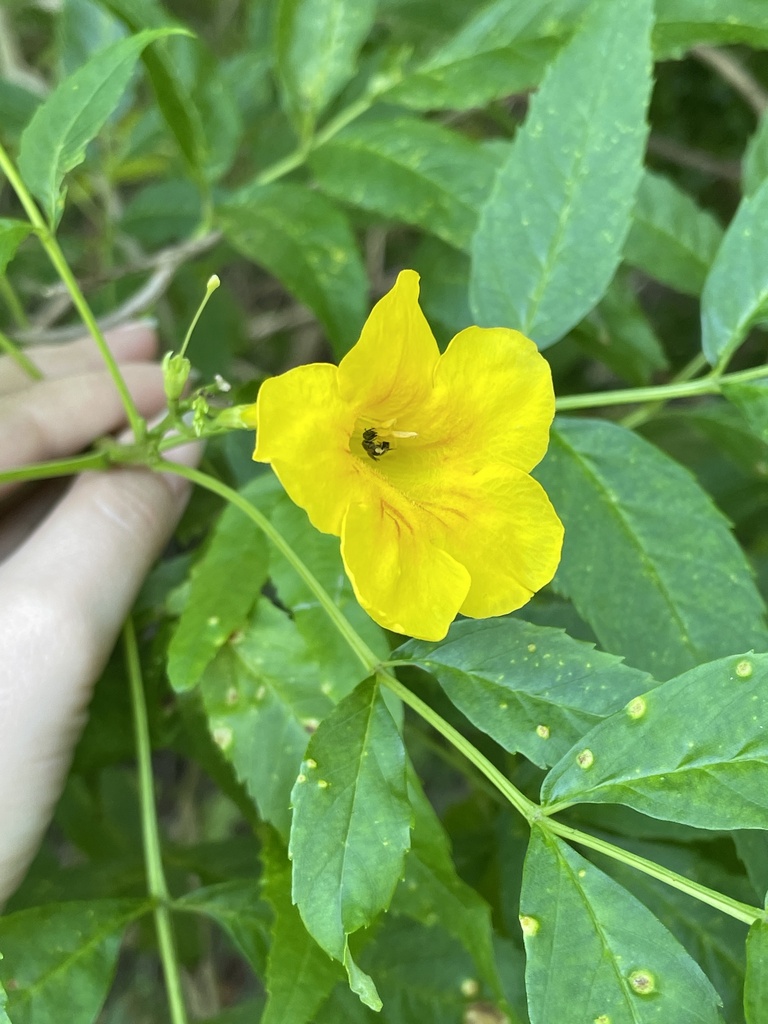
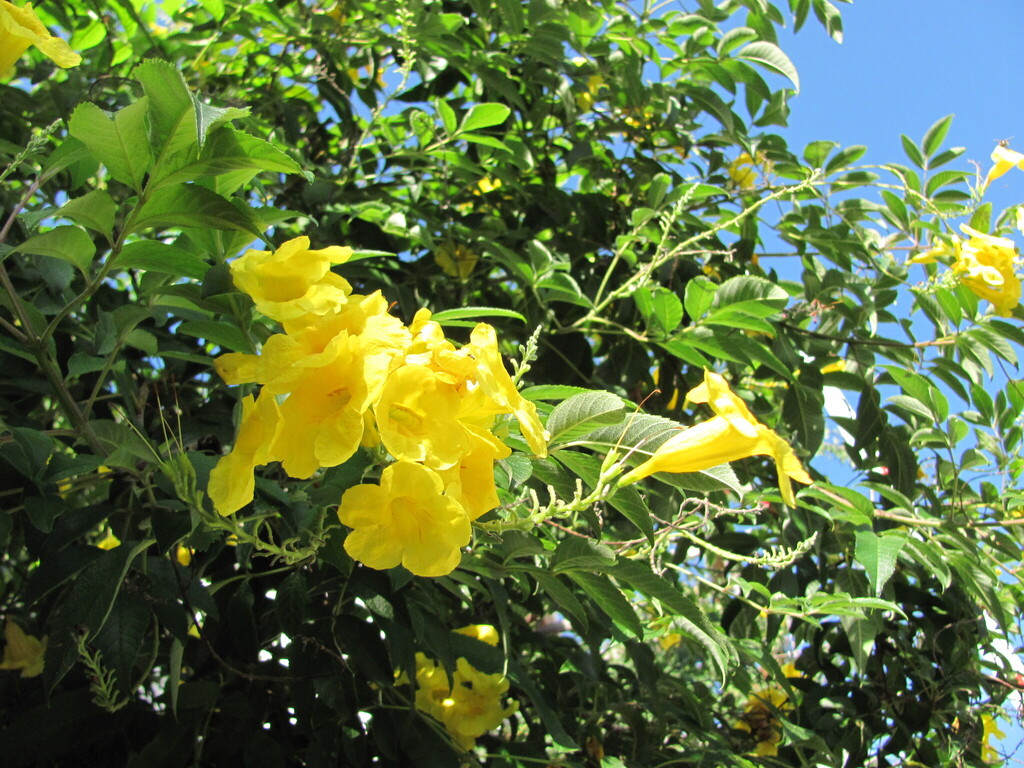
Yellow bells is a stunning shrub that produces vibrant, trumpet shaped flowers throughout the warmer months. It thrives in sunny spots and attracts plenty of pollinators like hummingbirds and butterflies to your garden. You will love how quickly it grows to create a beautiful, flowering hedge or focal point.
At a glance
- Care level
- Easy
- Plant type
- Shrub
- Light
- Full sun
- Indoor light
- Direct sun
- Water
- Every 7 to 14 days
- Mature size
- 10 to 25 feet
- Growth rate
- Fast
- Hardiness
- USDA 9 to 11
- Bloom time
- Spring to fall
Care
Plant this shrub in a spot with plenty of sun to ensure the best bloom production. Keep an eye out for yellowing leaves, which often signal that the plant needs a bit more iron or better drainage. Regular trimming helps keep the shape tidy and encourages even more flowers.
- Watering
- Water deeply once the top few inches of soil feel dry to the touch.
- Feeding
- Apply a balanced liquid fertilizer during the active growing season to support heavy blooming.
- Pruning
- Trim back after the main flowering flush to maintain a compact shape and promote new growth.
- Repotting
- Move to a larger container once the roots begin to circle the bottom of the current pot.
- Soil
- Well draining sandy or loamy soil
- Soil pH
- 6.0 to 8.0
- Temperature
- -4 to 40°C
- Humidity
- 30 to 70%
- Drought tolerance
- High
- Lifespan
- Perennial, typically 10 to 20 years
- Fragrance
- Light
- Deer and rabbits
- Moderate
Signs it needs repotting
- Roots growing out of drainage holes
- Water running straight through the pot
- Stunted growth during the active season
Safety
- People
- The plant is generally considered non-toxic, but ingestion of any plant material should be avoided.
- Children
- The seed pods can be a choking hazard for small children if ingested.
- Contact allergens
- No specific skin irritants are known.
- Airborne allergens
- Pollen may cause mild reactions in sensitive individuals during peak bloom.
- Edibility
- This plant is not intended for human consumption and may cause digestive upset.
How to identify it
- Bright yellow trumpet shaped flowers
- Pinnately compound serrated green leaves
- Long slender seed pods
- Woody shrub or small tree habit
- Height
- 1.5 to 6m
- Spread
- 1.2 to 3m
- Leaves
- green, evergreen
- Flowers
- yellow, 3 to 5cm
- Fruit
- brown, Late summer to winter
Problems to watch for
- AphidsCommon
- WhiteflyCommon
- Root RotUncommon
- Sooty MoldUncommon
Check your yellow bells from a photo
Pocket Botanist looks at a photo of your plant and tells you what's wrong and what to try first.
Growing it
- Propagation
- seed, cuttings
- When to plant
- spring, early summer
- Overwintering
- In cooler climates, bring containers indoors or provide heavy mulch to protect roots from frost.
- In containers
- It grows well in large containers, at least 40 liters, provided they have excellent drainage.
Cuttings
- Take a 15 cm cutting from non flowering growth.
- Remove lower leaves and dip the end in rooting hormone.
- Place in moist potting mix until roots establish.
Group with other heat loving plants that enjoy full sun and well draining soil.
Grows well with
Similar species
- Cape Honeysuckle — It is a close relative with similar growth habits but different flower colors.
Science
- Family
- Bignoniaceae
- Genus
- Tecoma
- Order
- Lamiales
- Class
- Magnoliopsida
- Native range
- Americas from the southern United States to Argentina.
- Conservation
- It is considered invasive in some tropical regions outside its native range.
It thrives in disturbed areas and open woodlands where it can access full sunlight.
- Value to wildlife
- nectar source
- Pollinators
- bees, butterflies, hummingbirds
- Uses
- ornamental shrub, pollinator garden, privacy screen
Through the year
Ecological indicators
- Salinity
- 2/9
- Soil reaction
- 6/9
- Light
- 8/9
- Temperature
- 8/9
- Moisture
- 4/9
- Nutrients
- 5/9
Taxonomy resolved against GBIF.
Questions people ask
- How often should I prune it?
- Prune lightly after flowering to maintain shape and encourage more blooms.
- Does it need a lot of water?
- Once established, it is fairly drought tolerant but appreciates regular water during dry spells.
Where the name comes from
Tecoma comes from the Nahuatl word tecomaxochitl, meaning vessel flower, while stans refers to its upright growth habit.
Good to know
- It is the official floral emblem of the United States Virgin Islands.
- The plant is extremely heat tolerant and thrives in full sun.
- It is often called yellow bells due to its trumpet shaped flowers.
- It can grow quite rapidly in ideal conditions.
Also in
Keep your yellow bells growing
This page is a general guide. Save your plant in Pocket Botanist and you get care reminders timed for this plant, plus a care history that shows what worked.
This guide was generated with AI and checked against GBIF taxonomy. It is general information, not horticultural or veterinary advice. Read about how we build these guides.