 Pocket Botanist
Plant guide
Silver Philodendron.
Scindapsus pictus
Pronounced sin-DAP-sus PIK-tus
Also known as satin pothos, silver pothos


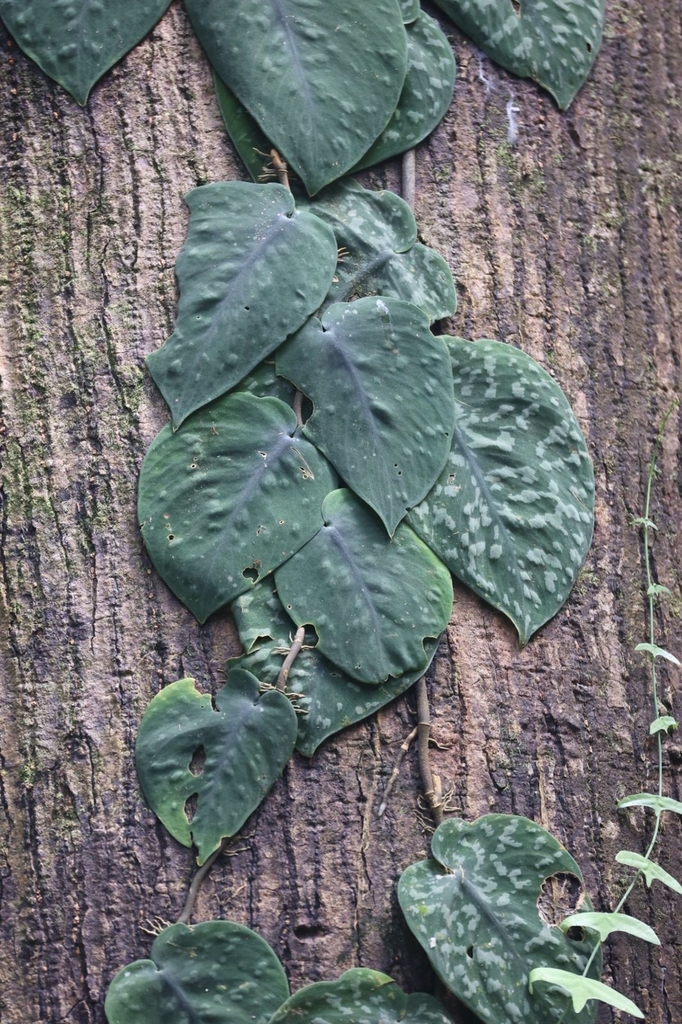
This lovely vining plant is famous for its heart shaped leaves splashed with shimmering silver spots. It is a fantastic choice for hanging baskets or trailing off a shelf. You will find it is quite forgiving if you miss a watering now and then.
At a glance
- Care level
- Easy
- Plant type
- Evergreen vine
- Light
- Bright indirect light
- Indoor light
- bright-indirect
- Water
- Every 7 to 14 days
- Mature size
- Up to 3 meters long
- Growth rate
- medium
- Hardiness
- USDA 10 to 12
- Bloom time
- Rarely flowers indoors
Care
Let the top half of the soil dry out completely before you water again. Watch for curling leaves, as this is a clear sign the plant is thirsty. Keep it in a spot with bright, indirect light to maintain that beautiful silver variegation.
- Watering
- Allow the top 50 percent of soil to dry out before watering.
- Feeding
- Use a balanced liquid fertilizer diluted to half strength during the growing season.
- Pruning
- Trim back long vines to encourage a bushier appearance.
- Repotting
- Repot when the roots begin to circle the bottom of the container.
- Soil
- Well draining aroid potting mix
- Soil pH
- 5.5 to 6.5
- Temperature
- 15 to 27°C
- Humidity
- 40 to 60%
- Drought tolerance
- moderate
- Lifespan
- Perennial, typically 5 to 10 years with proper care.
- Deer and rabbits
- moderate
Signs it needs repotting
- Roots growing out of the drainage holes.
- Water running straight through the pot without soaking in.
- Noticeable slowing of growth during the active season.
Safety
- People
- The plant contains insoluble calcium oxalate crystals that cause irritation and swelling if chewed or swallowed.
- Pets
- This plant is toxic to cats and dogs if ingested.
- Children
- Keep this plant out of reach of children as the leaves are a choking hazard and cause mouth pain if bitten.
- Contact allergens
- The sap can cause skin irritation or rashes in sensitive individuals.
- Airborne allergens
- There are no notable respiratory allergens associated with this plant.
- Edibility
- This plant is toxic if ingested and should never be consumed by humans or pets.
How to identify it
- Heart shaped matte green leaves
- Irregular silvery grey leaf variegation
- Trailing vine growth habit
- Thick and slightly succulent leaf texture
- Height
- 0.3 to 3m
- Spread
- 0.3 to 0.6m
- Leaves
- green, silver, evergreen
- Flowers
- white, pale green, 2 to 5cm
Common problems
- Root rot — This occurs when the soil stays too wet for too long, causing the roots to decay.
- Spider mites — These tiny pests create fine webbing and cause yellowing or stippling on the leaves.
Growing it
- Propagation
- stem cuttings
- When to plant
- spring, summer
- Overwintering
- Keep the plant away from cold drafts and reduce watering slightly during the winter months when growth slows down.
- In containers
- It grows very well in pots and prefers a container with drainage holes, at least 6 inches in diameter.
Stem cuttings
- 1. Cut a stem section with at least two leaves and a node.
- 2. Place the cutting in a glass of water or moist potting mix.
- 3. Keep it in bright, indirect light until roots appear.
- 4. Transplant into a small pot once roots are 2 inches long.
Group plants with similar water needs together to make your care routine easier.
Grows well with
- Peace Lily — They share similar light and humidity requirements.
- Philodendron — Both plants thrive in similar indoor environments and look great together.
Similar species
- Epipremnum aureum — Often confused for this plant, though it has thinner leaves and faster growth.
Science
- Family
- Araceae
- Genus
- Scindapsus
- Order
- Alismatales
- Class
- Liliopsida
- Native range
- Southeast Asia, specifically Indonesia and the Philippines.
- Conservation
- This species is not currently listed as endangered or threatened in the wild.
In the wild, it grows as an understory vine that climbs trees to reach better light.
- Uses
- Indoor ornamental, Hanging basket plant, Air purifying houseplant
Through the year
Ecological indicators
- Salinity
- 1/9
- Soil reaction
- 6/9
- Light
- 4/9
- Temperature
- 7/9
- Moisture
- 4/9
- Nutrients
- 3/9
Taxonomy resolved against GBIF.
Questions people ask
- Why are the leaves curling?
- Curling leaves usually mean the plant is thirsty and needs a good watering.
- Does it need bright light?
- It prefers bright, indirect light but can tolerate lower light conditions.
Where the name comes from
The genus name Scindapsus comes from the Greek word skindapsos, which refers to a type of ivy, while pictus means painted, referring to the silver variegation.
Good to know
- It is often called the satin pothos, though it is not a true pothos.
- The leaves feel like velvet to the touch.
- It is a slow grower compared to other common trailing houseplants.
- It can climb if given a moss pole to attach to.
Is your silver philodendron looking unwell?
This page is a general guide. Pocket Botanist diagnoses problems from a photo of your actual plant, works out watering for your light and conditions, and reminds you when care is due.
This guide was generated with AI and checked against GBIF taxonomy. It is general information, not horticultural or veterinary advice. Read about how we build these guides.