 Pocket Botanist
Pflanzenratgeber
Silber-Philodendron.
Scindapsus pictus
Aussprache sin-DAP-sus PIK-tus
Auch bekannt als Satin-Epipremnum, Silber-Epipremnum


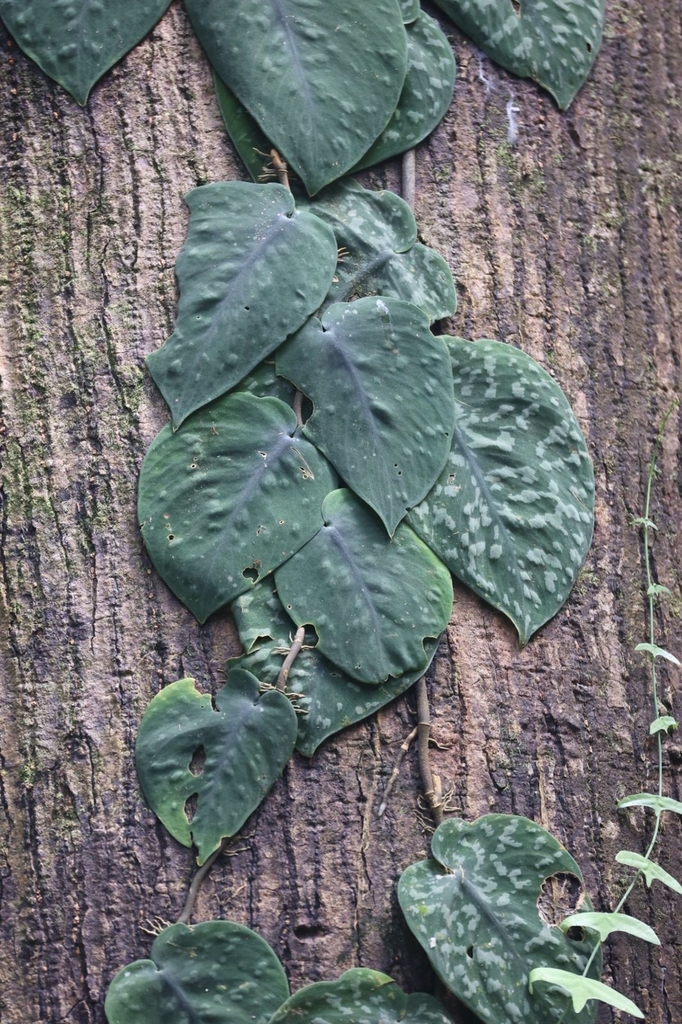
Diese hübsche Rankenpflanze ist berühmt für ihre herzförmigen Blätter mit schimmernden Silberflecken. Sie ist eine fantastische Wahl für Hängekörbe oder zum Herabhängen von einem Regal. Sie werden feststellen, dass sie ziemlich nachsichtig ist, wenn Sie mal eine Wassergabe verpassen.
Auf einen Blick
- Care level
- Easy
- Plant type
- Immergrüne Ranke
- Light
- Helles indirektes Licht
- Indoor light
- bright-indirect
- Water
- Every 7 to 14 days
- Mature size
- Bis zu 3 Meter lang
- Growth rate
- medium
- Hardiness
- USDA 10 to 12
- Bloom time
- Blüht drinnen selten
Pflege
Lassen Sie die obere Hälfte der Erde vollständig austrocknen, bevor Sie erneut gießen. Achten Sie auf eingerollte Blätter, denn dies ist ein klares Zeichen dafür, dass die Pflanze durstig ist. Halten Sie sie an einem Ort mit hellem, indirektem Licht, um diese schöne silberne Maserung zu erhalten.
- Watering
- Allow the top 50 percent of soil to dry out before watering.
- Feeding
- Verwenden Sie während der Wachstumsperiode einen ausgewogenen Flüssigdünger, der auf halbe Stärke verdünnt ist.
- Pruning
- Schneiden Sie lange Ranken zurück, um ein buschigeres Aussehen zu fördern.
- Repotting
- Topfen Sie um, wenn die Wurzeln beginnen, den Boden des Behälters zu umschlingen.
- Soil
- Gut durchlässige Aronstab-Topfmischung
- Soil pH
- 5.5 bis 6.5
- Temperature
- 15 to 27°C
- Humidity
- 40 to 60%
- Drought tolerance
- moderate
- Lifespan
- Perennial, typically 5 to 10 years with proper care.
- Deer and rabbits
- moderate
Anzeichen fürs Umtopfen
- Roots growing out of the drainage holes.
- Water running straight through the pot without soaking in.
- Noticeable slowing of growth during the active season.
Sicherheit
- People
- The plant contains insoluble calcium oxalate crystals that cause irritation and swelling if chewed or swallowed.
- Pets
- Diese Pflanze ist giftig für Katzen und Hunde, wenn sie eingenommen wird.
- Children
- Keep this plant out of reach of children as the leaves are a choking hazard and cause mouth pain if bitten.
- Contact allergens
- The sap can cause skin irritation or rashes in sensitive individuals.
- Airborne allergens
- There are no notable respiratory allergens associated with this plant.
- Edibility
- This plant is toxic if ingested and should never be consumed by humans or pets.
So erkennst du die Pflanze
- Herzförmige, mattgrüne Blätter
- Unregelmäßige silbergraue Blattfärbung
- Rankender Wuchs
- Dicke und leicht sukkulente Blatttextur
- Height
- 0.3 to 3m
- Spread
- 0.3 to 0.6m
- Leaves
- grün, silber, Immergrün
- Flowers
- weiß, blassgrün, 2 to 5cm
Häufige Probleme
- Root rot — This occurs when the soil stays too wet for too long, causing the roots to decay.
- Spider mites — These tiny pests create fine webbing and cause yellowing or stippling on the leaves.
Standort und Pflege
- Propagation
- Stecklinge
- When to plant
- frühling, sommer
- Overwintering
- Keep the plant away from cold drafts and reduce watering slightly during the winter months when growth slows down.
- In containers
- It grows very well in pots and prefers a container with drainage holes, at least 6 inches in diameter.
Stem cuttings
- 1. Cut a stem section with at least two leaves and a node.
- 2. Place the cutting in a glass of water or moist potting mix.
- 3. Keep it in bright, indirect light until roots appear.
- 4. Transplant into a small pot once roots are 2 inches long.
Group plants with similar water needs together to make your care routine easier.
Gute Pflanzpartner
- Peace Lily — They share similar light and humidity requirements.
- Philodendron — Both plants thrive in similar indoor environments and look great together.
Ähnliche Arten
- Epipremnum aureum — Often confused for this plant, though it has thinner leaves and faster growth.
Botanisches
- Family
- Araceae
- Genus
- Scindapsus
- Order
- Alismatales
- Class
- Liliopsida
- Native range
- Southeast Asia, specifically Indonesia and the Philippines.
- Conservation
- This species is not currently listed as endangered or threatened in the wild.
In the wild, it grows as an understory vine that climbs trees to reach better light.
- Uses
- Indoor ornamental, Hanging basket plant, Air purifying houseplant
Im Jahresverlauf
Ökologische Zeigerwerte
- Salinity
- 1/9
- Soil reaction
- 6/9
- Light
- 4/9
- Temperature
- 7/9
- Moisture
- 4/9
- Nutrients
- 3/9
Taxonomie abgeglichen mit GBIF.
Häufige Fragen
- Why are the leaves curling?
- Curling leaves usually mean the plant is thirsty and needs a good watering.
- Does it need bright light?
- It prefers bright, indirect light but can tolerate lower light conditions.
Woher der Name kommt
The genus name Scindapsus comes from the Greek word skindapsos, which refers to a type of ivy, while pictus means painted, referring to the silver variegation.
Gut zu wissen
- It is often called the satin pothos, though it is not a true pothos.
- The leaves feel like velvet to the touch.
- It is a slow grower compared to other common trailing houseplants.
- It can climb if given a moss pole to attach to.
Auch in
Geht es deiner silber-philodendron nicht gut?
Diese Seite bietet allgemeine Infos. Pocket Botanist erkennt Probleme anhand eines Fotos deiner echten Pflanze, passt das Gießen an dein Licht und deinen Standort an und erinnert dich an die Pflege.
Dieser Ratgeber wurde mit KI erstellt und mit der GBIF-Taxonomie abgeglichen. Er dient zur allgemeinen Information und ersetzt keine gärtnerische oder tierärztliche Beratung. Hier erfährst du, wie wir diese Ratgeber erstellen.