 Pocket Botanist
Plant guide
Christmas cactus.
Schlumbergera buckleyi
Pronounced shlum-BER-ger-uh buck-LEE-eye
Also known as Christmas cactus


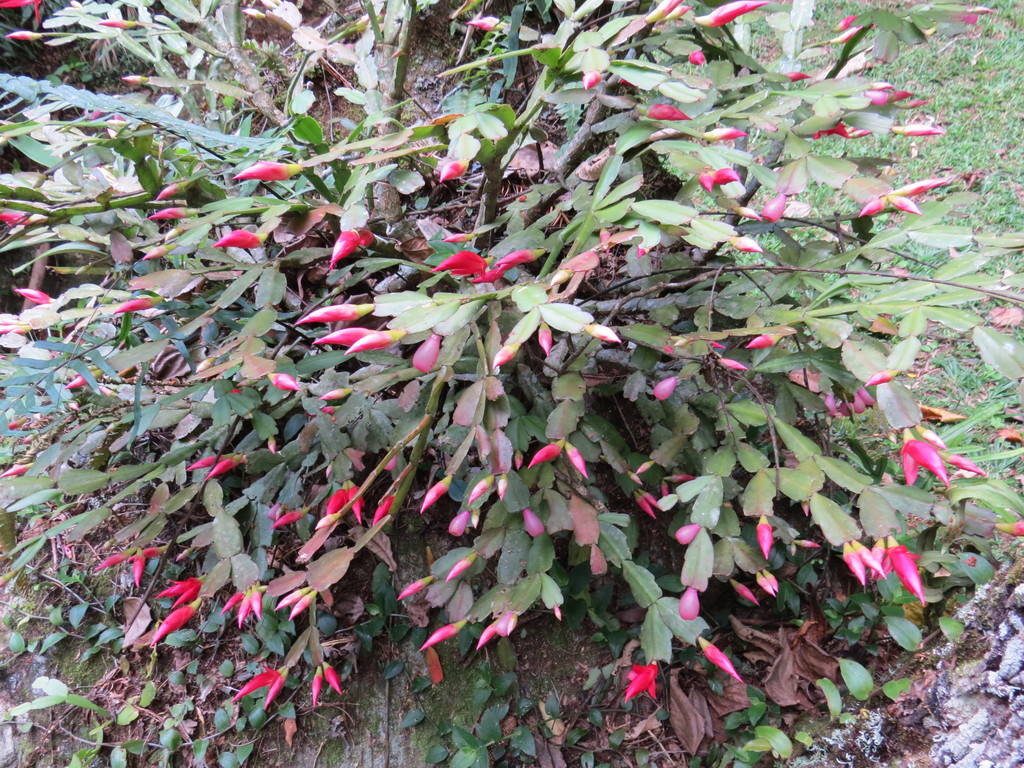
The Christmas cactus is a lovely succulent that produces vibrant, tubular flowers during the winter months. It's a forest dweller that prefers different conditions than your typical desert cactus. You'll find it makes a fantastic hanging plant for a bright spot in your home.
At a glance
- Care level
- Easy
- Plant type
- Epiphytic succulent
- Light
- Bright, indirect light is best to avoid scorching the stems.
- Indoor light
- Bright indirect
- Water
- Every 7 to 14 days
- Mature size
- 1 to 2 feet tall and wide
- Growth rate
- Medium
- Hardiness
- USDA 10 to 12
- Bloom time
- Late autumn to early winter
Care
Keep the soil lightly moist while it's blooming, but let the top layer dry out between waterings. Watch for shriveled stems which indicate it needs more water, or mushy stems which suggest root rot from overwatering. It prefers cooler temperatures to set its flower buds in the fall.
- Watering
- Water when the top inch of soil feels dry to the touch.
- Feeding
- Use a balanced liquid fertilizer during the active growing season.
- Pruning
- Trim back stems after flowering to encourage a bushier shape.
- Repotting
- Repot only when the plant becomes root-bound in its container.
- Soil
- Well-draining, peat-based potting mix
- Soil pH
- 5.5 to 6.2
- Temperature
- 10 to 24°C
- Humidity
- 50 to 70%
- Drought tolerance
- Moderate
- Lifespan
- Perennial, typically 20 to 30 years
- Deer and rabbits
- Moderate
Signs it needs repotting
- Roots growing out of the drainage holes.
- Water running straight through the pot without soaking in.
- Stunted growth despite proper care.
Safety
- People
- The plant is generally considered non-toxic, but ingestion can still lead to mild stomach irritation.
- Pets
- This plant is non-toxic to cats and dogs.
- Children
- The stems can be brittle and break easily, so keep it out of reach of curious toddlers.
- Edibility
- This plant is not considered edible and ingestion may cause gastrointestinal upset.
How to identify it
- Segmented, flattened green stems
- Smooth, rounded stem edges
- Tubular, multi-layered flowers
- Flowers appear at stem tips
- Height
- 0.3 to 0.6m
- Spread
- 0.3 to 0.6m
- Leaves
- green, evergreen
- Flowers
- pink, red, magenta, 5 to 8cm
Problems to watch for
- Bud DropCommon
- MealybugsCommon
- Root RotCommon
- Fungus GnatsUncommon
- Leaf ScorchUncommon
- Spider MitesUncommon
Check your christmas cactus from a photo
Pocket Botanist looks at a photo of your plant and tells you what's wrong and what to try first.
Growing it
- Propagation
- cuttings
- When to plant
- spring
- Overwintering
- Keep the plant in a cool, bright spot away from drafts and heaters. Reduce watering significantly during the winter months.
- In containers
- It grows beautifully in hanging baskets or pots with excellent drainage, requiring at least a 15 cm container.
Stem Cuttings
- Twist off a Y shaped segment from the end of a stem.
- Let the cut end dry for a day or two until it callouses.
- Insert the calloused end into moist, well draining potting mix.
- Keep the soil lightly moist until new growth appears.
Group plants with similar water needs together to maintain a consistent microclimate.
Grows well with
- Peace Lily — They share similar requirements for indirect light and consistent moisture.
- Pothos — Both plants thrive in similar indoor environments and humidity levels.
Similar species
- Thanksgiving Cactus — It has more pointed stem segments compared to the rounded edges of the Christmas cactus.
- Easter Cactus — It blooms in spring and has star shaped flowers rather than tubular ones.
Science
- Family
- Cactaceae
- Genus
- Schlumbergera
- Order
- Caryophyllales
- Class
- Magnoliopsida
- Native range
- Coastal mountains of southeastern Brazil.
- Conservation
- This hybrid is widely cultivated and not of conservation concern in the wild.
It grows as an epiphyte in humid, shaded forest canopies where it captures moisture from the air.
- Value to wildlife
- nectar source
- Pollinators
- hummingbirds
- Uses
- houseplant, hanging basket specimen
Through the year
Ecological indicators
- Moisture
- 5/9
- Salinity
- 1/9
- Soil reaction
- 5/9
- Light
- 4/9
- Nutrients
- 3/9
- Temperature
- 7/9
Taxonomy resolved against GBIF.
Questions people ask
- Why are the leaves shriveling?
- It is likely thirsty or suffering from root damage due to poor drainage.
- How do I get it to bloom?
- Provide 12 to 14 hours of total darkness each night for 6 weeks in autumn.
Where the name comes from
The genus honors French collector Frédéric Schlumberger, while the species name commemorates William Buckley who created the hybrid.
Good to know
- It is commonly known as the Christmas cactus.
- It requires shorter days and cooler nights to trigger flower bud formation.
- The stems are actually modified branches called cladodes.
- It is an epiphyte that grows on trees in its native habitat.
- It can live for several decades with proper care.
Keep your christmas cactus growing
This page is a general guide. Save your plant in Pocket Botanist and you get care reminders timed for this plant, plus a care history that shows what worked.
This guide was generated with AI and checked against GBIF taxonomy. It is general information, not horticultural or veterinary advice. Read about how we build these guides.