 Pocket Botanist
Plant guide
Fairy Fan-flower.
Scaevola aemula
Pronounced see-VOH-luh ee-MYOO-luh
Also known as Fairy Fan-flower, common fanflower


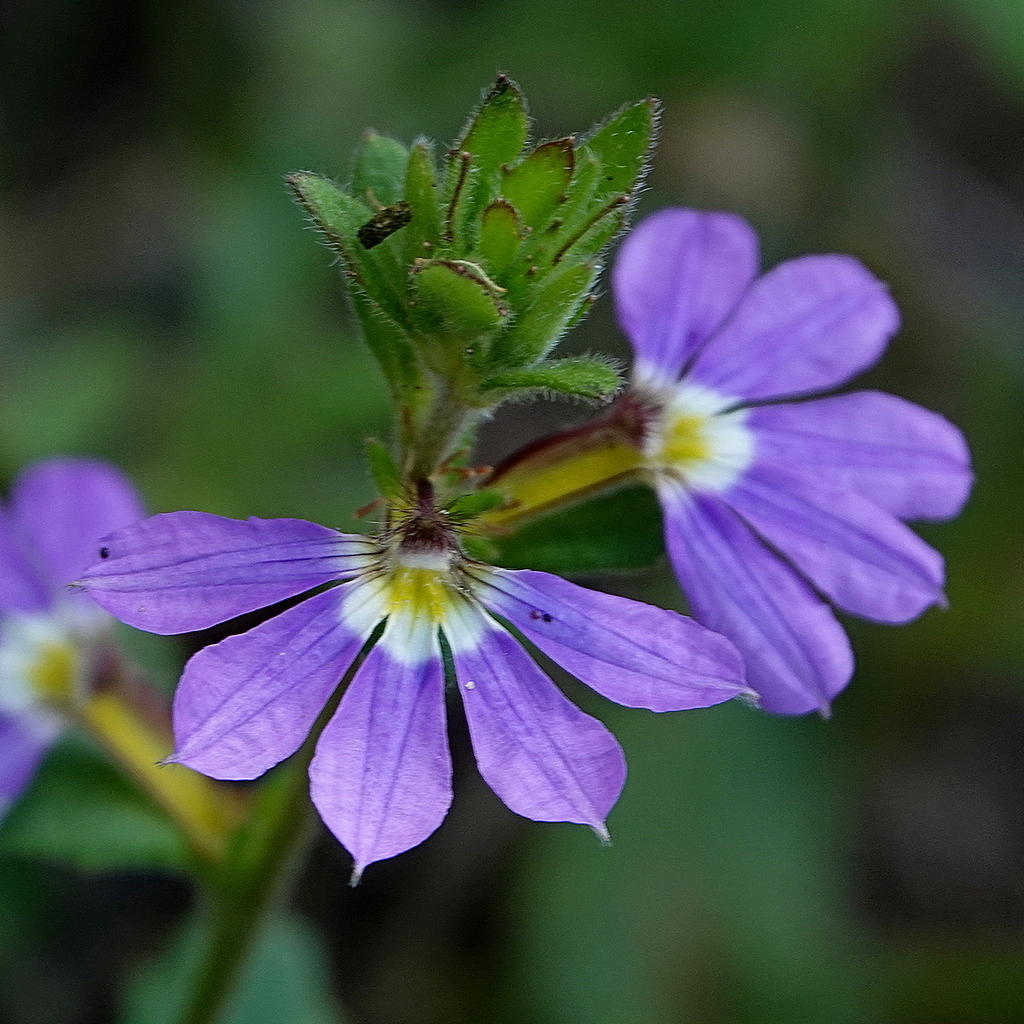
The fairy fan-flower is a charming Australian native known for its unique, fan-shaped blossoms. It's a fantastic choice for hanging baskets or as a ground cover in sunny spots. You'll love how it blooms continuously throughout the warmer months.

At a glance
- Care level
- Easy
- Plant type
- Perennial herb
- Light
- Full sun to light shade
- Indoor light
- Direct sun
- Water
- Every 3 to 7 days
- Mature size
- 1 to 2 feet tall
- Growth rate
- Fast
- Hardiness
- USDA 9 to 11
- Bloom time
- Late spring to early autumn
Care
Keep the soil consistently moist but never soggy to ensure healthy growth. Watch for wilting, which is a clear sign the plant needs a drink. Deadhead spent flowers to encourage a fresh flush of blooms.
- Watering
- Water when the top inch of soil feels dry to the touch.
- Feeding
- Apply a balanced liquid fertilizer once a month during the active growing season.
- Pruning
- Trim back the stems occasionally to maintain a bushy shape and promote more flowers.
- Repotting
- Repot only if the plant becomes root-bound or needs fresh soil.
- Soil
- Well-draining sandy or loamy soil
- Soil pH
- 6.0 to 7.5
- Temperature
- 5 to 35°C
- Humidity
- 40 to 70%
- Drought tolerance
- Moderate
- Lifespan
- Short lived perennial, often grown as an annual.
- Deer and rabbits
- Moderate
Signs it needs repotting
- roots growing out of drainage holes
- water running straight through the pot
- stunted growth
Safety
- People
- There are no significant reports of human toxicity, but it is best kept away from curious mouths.
- Pets
- This plant is generally considered non-toxic to cats and dogs.
- Children
- Keep out of reach of small children to prevent accidental ingestion of plant parts.
- Contact allergens
- No specific skin irritants are known.
- Airborne allergens
- Pollen may cause mild reactions in sensitive individuals during peak bloom.
- Edibility
- This plant is not intended for consumption and may cause digestive upset.
How to identify it
- Fan-shaped blue or purple flowers
- Serrated, bright green foliage
- Spreading, semi-trailing growth habit
- Small, fleshy stems
- Height
- 0.15 to 0.3m
- Spread
- 0.45 to 0.9m
- Leaves
- green, evergreen
- Flowers
- blue, purple, white, 2 to 3cm
Problems to watch for
- AphidsCommon
- Root RotCommon
- Botrytis BlightUncommon
- ThripsUncommon
By symptom
Check your fairy fan-flower from a photo
Pocket Botanist looks at a photo of your plant and tells you what's wrong and what to try first.
Growing it
- Propagation
- cuttings
- When to plant
- spring
- Overwintering
- Bring containers indoors before the first frost in cooler climates. Keep it in a bright, cool spot and water sparingly until spring.
- In containers
- It is excellent for containers and hanging baskets, needing at least a 25 cm pot for healthy growth.
Stem cuttings
- Take a 10 cm cutting from a healthy, non flowering stem.
- Remove the lower leaves to expose the nodes.
- Dip the end in rooting hormone and place in moist potting mix.
- Keep the cutting in bright, indirect light until roots form.
Pair with plants that have similar drought tolerance to ensure they thrive together in containers.
Grows well with
- Petunia — They share similar sun and water needs for a colorful display.
- Sweet Alyssum — It provides a fragrant, low growing contrast to the fan flower.
Similar species
- Blue Wonder — It is a very similar low growing relative with comparable habits.
Science
- Family
- Goodeniaceae
- Genus
- Scaevola
- Order
- Asterales
- Class
- Magnoliopsida
- Native range
- Australia
- Conservation
- This species is common in its native range and not currently of conservation concern.
It thrives in well drained, sandy soils in coastal or open woodland areas.
- Value to wildlife
- nectar source
- Pollinators
- bees, butterflies
- Uses
- hanging baskets, ground cover, container gardens
Through the year
Ecological indicators
- Light
- 8/9
- Temperature
- 7/9
- Nutrients
- 4/9
- Salinity
- 3/9
- Soil reaction
- 5/9
- Moisture
- 4/9
Taxonomy resolved against GBIF.
Questions people ask
- Does it need deadheading?
- No, it is self cleaning and will continue to bloom without help.
- Can I grow it in shade?
- It prefers full sun for the best flower production.
Where the name comes from
The name Scaevola comes from the Latin word for left-handed, referring to the asymmetrical flower shape.
Good to know
- The flowers look like half a bloom, which is quite distinctive.
- It is a fantastic choice for hot, sunny spots where other plants might wilt.
- It requires very little maintenance once established.
Keep your fairy fan-flower growing
This page is a general guide. Save your plant in Pocket Botanist and you get care reminders timed for this plant, plus a care history that shows what worked.
This guide was generated with AI and checked against GBIF taxonomy. It is general information, not horticultural or veterinary advice. Read about how we build these guides.