 Pocket Botanist
Guide botanique
Scaevola à petites fleurs.
Scaevola aemula
Prononciation see-VOH-luh ee-MYOO-luh
Aussi appelée Scaevola à petites fleurs, Scaevola bleu


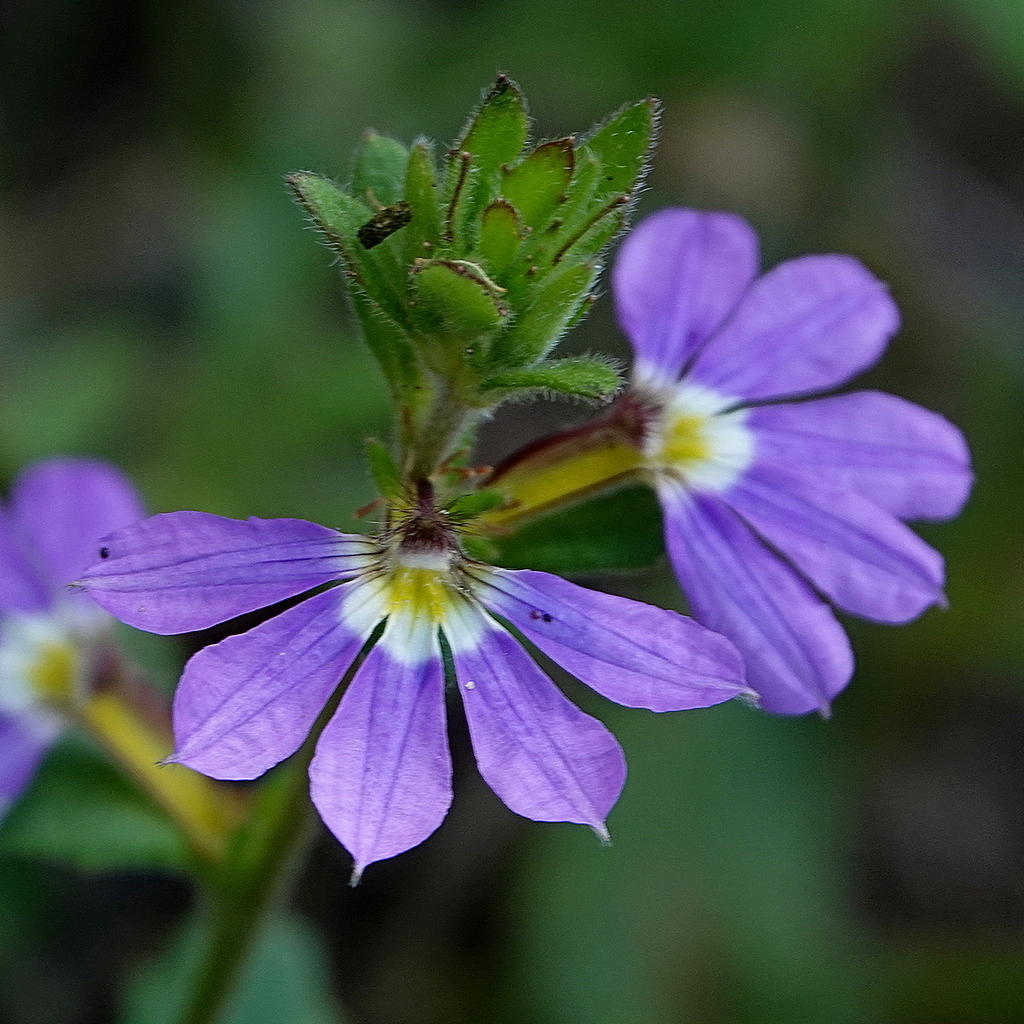
La Scaevola à petites fleurs est une charmante plante indigène d'Australie, réputée pour ses fleurs uniques en forme d'éventail. C'est un excellent choix pour les paniers suspendus ou comme couvre-sol dans les endroits ensoleillés. Vous adorerez sa floraison continue pendant les mois les plus chauds.

En un coup d'œil
- Niveau d'entretien
- Facile
- Type de plante
- Herbe vivace
- Lumière
- Plein soleil à mi-ombre légère
- Lumière en intérieur
- Soleil direct
- Arrosage
- Tous les 3 à 7 jours
- Taille adulte
- 30 à 60 cm de haut
- Croissance
- Rapide
- Rusticité
- USDA 9 à 11
- Floraison
- Fin du printemps au début de l'automne
Entretien
Gardez le sol constamment humide, mais jamais détrempé, pour assurer une croissance saine. Surveillez le flétrissement, signe évident que la plante a besoin d'un arrosage. Coupez les fleurs fanées pour encourager une nouvelle vague de floraison.
- Arrosage
- Arrosez lorsque le pouce supérieur de terre est sec au toucher.
- Engrais
- Appliquez un engrais liquide équilibré une fois par mois pendant la saison de croissance active.
- Taille
- Taille occasionnellement les tiges pour maintenir une forme touffue et encourager plus de fleurs.
- Rempotage
- Rempotez uniquement si la plante est à l'étroit dans son pot ou si elle a besoin de terreau frais.
- Sol
- Sol sableux ou limoneux bien drainé
- pH du sol
- 6.0 à 7.5
- Température
- 5 à 35°C
- Humidité
- 40 à 70%
- Résistance à la sécheresse
- Moyenne
- Durée de vie
- Vivace de courte durée, souvent cultivée comme annuelle.
- Résistance aux chevreuils et lapins
- Moyenne
Signes qu'il faut rempoter
- les racines poussent hors des trous de drainage
- l'eau traverse directement le pot
- croissance ralentie
Sécurité
- Humains
- Il n'y a pas de rapports significatifs de toxicité humaine, mais il est préférable de la tenir à l'écart des petites bouches curieuses.
- Animaux
- Cette plante est généralement considérée comme non toxique pour les chats et les chiens.
- Enfants
- Tenir hors de portée des jeunes enfants pour éviter l'ingestion accidentelle de parties de la plante.
- Allergènes de contact
- Aucun irritant cutané spécifique n'est connu.
- Allergènes aéroportés
- Le pollen peut provoquer des réactions légères chez les personnes sensibles pendant la période de floraison maximale.
- Comestibilité
- Cette plante n'est pas destinée à la consommation et peut causer des troubles digestifs.
Comment l'identifier
- Fleurs bleues ou violettes en forme d'éventail
- Feuillage vert vif dentelé
- Habitude de croissance étalée, semi-retombante
- Petites tiges charnues
- Hauteur
- 0,15 à 0,3m
- Envergure
- 0,45 à 0,9m
- Feuilles
- vert, evergreen
- Fleurs
- bleu, violet, blanc, 2 à 3cm
Problèmes à surveiller
- Pourriture des racinesCourant
- PuceronsCourant
- BotrytisPeu courant
- ThripsPeu courant
Vérifie la santé de ta plante en photo
Pocket Botanist analyse une photo de ta plante et te dit ce qui ne va pas et quoi essayer en premier.
La cultiver
- Multiplication
- boutures
- Quand planter
- printemps
- Hivernage
- Rentrez les conteneurs à l'intérieur avant le premier gel dans les climats plus froids. Gardez-la dans un endroit lumineux et frais et arrosez avec parcimonie jusqu'au printemps.
- En pot
- Elle est excellente pour les conteneurs et les paniers suspendus, nécessitant un pot d'au moins 25 cm pour une croissance saine.
Boutures de tige
- Prenez une bouture de 10 cm d'une tige saine, non florifère.
- Retirez les feuilles inférieures pour exposer les nœuds.
- Trempez l'extrémité dans de l'hormone de bouturage et placez-la dans un terreau humide.
- Gardez la bouture à la lumière vive et indirecte jusqu'à ce que les racines se forment.
Associez-la à des plantes ayant une tolérance similaire à la sécheresse pour vous assurer qu'elles prospèrent ensemble dans des conteneurs.
Bonnes associations
- Petunia des jardins — Ils partagent des besoins similaires en soleil et en eau pour un affichage coloré.
- Allysse odorant — Il offre un contraste parfumé et bas à la fleur éventail.
Espèces similaires
- Scaevola humilis — C'est un parent très similaire à croissance lente avec des habitudes comparables.
Science
- Famille
- Goodeniaceae
- Genre
- Scaevola
- Ordre
- Asterales
- Classe
- Magnoliopsida
- Région d'origine
- Australie
- Préservation
- Cette espèce est courante dans son aire de répartition native et n'est actuellement pas préoccupante en matière de conservation.
Elle prospère dans les sols sableux bien drainés dans les zones côtières ou les bois ouverts.
- Intérêt pour la faune
- source de nectar
- Pollinisateurs
- abeilles, papillons
- Utilisations
- paniers suspendus, couvre-sol, jardinières
Au fil des saisons
Repères écologiques
- Lumière
- 8/9
- Température
- 7/9
- Nutriments
- 4/9
- Salinité
- 3/9
- Réaction du sol
- 5/9
- Humidité
- 4/9
Taxonomie vérifiée avec le GBIF.
Ce qu'on demande souvent
- Faut-il enlever les fleurs fanées?
- Non, elle s'auto-nettoie et continuera à fleurir sans aide.
- Puis-je la cultiver à l'ombre?
- Elle préfère le plein soleil pour une meilleure production de fleurs.
D'où vient le nom
Le nom Scaevola vient du mot latin pour gaucher, faisant référence à la forme asymétrique de la fleur.
Bon à savoir
- Les fleurs ressemblent à une demi-floraison, ce qui est assez distinctif.
- C'est un excellent choix pour les endroits chauds et ensoleillés où d'autres plantes pourraient se flétrir.
- Il demande très peu d'entretien une fois établi.
Garde ta plante en pleine forme
Cette page est un guide général. Enregistre ta plante dans Pocket Botanist et tu reçois des rappels d'entretien adaptés à cette plante, ainsi qu'un historique d'entretien qui montre ce qui a marché.
Ce guide a été généré par IA et vérifié avec la taxonomie du GBIF. Il s'agit d'informations générales, et non de conseils horticoles ou vétérinaires. Découvre comment nous concevons ces guides.