 Pocket Botanist
Guide botanique
Allysse odorant.
Lobularia maritima (L.) Desv.
Prononciation lob-yoo-LAIR-ee-uh muh-RIT-ih-muh
Aussi appelée Mignonette odorant, Allysse odorant, Sweet-alice



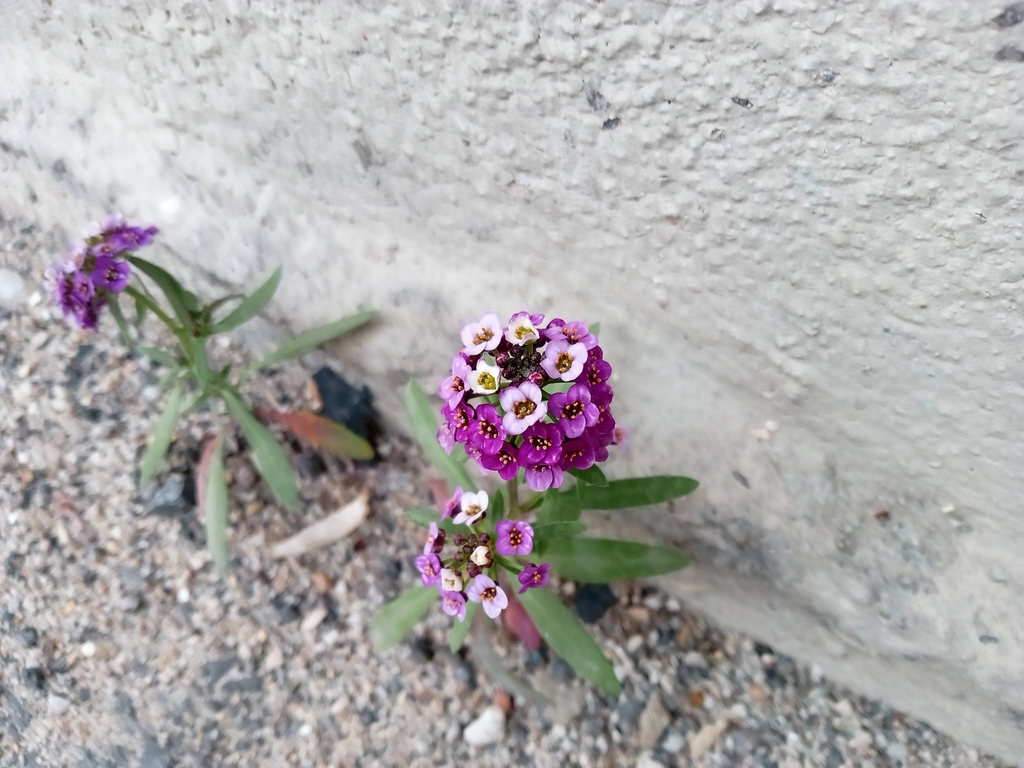
L'Allysse odorant est une plante charmante, à faible croissance, qui produit une profusion de minuscules fleurs au parfum miellé. C'est une plante favorite pour les bordures et les contenants car elle fleurit si abondamment. Vous adorerez la façon dont elle comble les espaces vides avec sa croissance délicate, semblable à un tapis.
En un coup d'œil
- Niveau d'entretien
- Facile
- Type de plante
- Annuelle
- Lumière
- Plein soleil à ombre partielle
- Lumière en intérieur
- Soleil direct
- Arrosage
- Tous les 2 à 4 jours
- Taille adulte
- 6 à 12 pouces de hauteur
- Croissance
- Rapide
- Rusticité
- USDA 9 à 11
- Floraison
- Fin du printemps jusqu'au gel
Entretien
Gardez le sol uniformément humide mais jamais détrempé pour encourager une floraison continue. Si la plante devient un peu longue au milieu de l'été, taillez-la pour stimuler une nouvelle vague de fleurs. Surveillez le flétrissement, signe que la plante a immédiatement besoin d'un arrosage.
- Arrosage
- Arrosez dès que le pouce supérieur de terre semble sec au toucher.
- Engrais
- Appliquez un engrais liquide équilibré une fois par mois pour soutenir une floraison abondante.
- Taille
- Taillez la plante d'un tiers si elle devient longue ou arrête de fleurir.
- Rempotage
- Comme cette plante est généralement cultivée comme annuelle, le rempotage n'est généralement pas nécessaire.
- Sol
- Sol bien drainé et fertile
- pH du sol
- 6,0 à 7,5
- Température
- 5 à 30°C
- Humidité
- 40 à 70%
- Résistance à la sécheresse
- Moyenne
- Durée de vie
- Annuelle, ou vivace de courte durée dans les climats sans gel.
- Parfum
- Fort
- Résistance aux chevreuils et lapins
- Moyenne
Signes qu'il faut rempoter
- Les racines sortent des trous de drainage.
- L'eau traverse le pot sans l'humidifier.
- Croissance ralentie malgré un apport régulier de nourriture.
Sécurité
- Humains
- Cette plante n'est pas considérée comme toxique pour l'homme.
- Animaux
- Cette plante est généralement considérée comme non toxique pour les chats et les chiens.
- Enfants
- Les petites fleurs pourraient présenter un risque d'étouffement si elles sont ingérées par de très jeunes enfants.
- Allergènes de contact
- Certaines personnes peuvent éprouver une légère irritation cutanée au contact du feuillage.
- Allergènes aéroportés
- Le pollen peut déclencher de légers symptômes de rhume des foins chez les personnes sensibles pendant la période de floraison maximale.
- Comestibilité
- Bien que les fleurs soient comestibles, elles sont souvent cultivées pour un usage ornemental et peuvent avoir été traitées avec des pesticides.
Comment l'identifier
- Minuscules fleurs à quatre pétales
- Fort parfum miellé
- Feuilles étroites en forme de lance
- Habitude de croissance rampante formant un tapis
- Hauteur
- 0,1 à 0,3m
- Envergure
- 0,2 à 0,4m
- Feuilles
- vert-gris, semi-persistant
- Fleurs
- blanc, violet, rose, 0,5 à 1cm
Problèmes à surveiller
- MildiouCourant
- PuceronsCourant
- Limaces et escargotsPeu courant
- Pourriture des racinesPeu courant
- Mildiou downy — Apparaît sous forme de taches jaunes sur les feuilles pendant les périodes de forte humidité.
Par symptôme
Vérifie la santé de ta plante en photo
Pocket Botanist analyse une photo de ta plante et te dit ce qui ne va pas et quoi essayer en premier.
La cultiver
- Multiplication
- semis, bouturage
- Quand planter
- printemps, début de l'automne
- Hivernage
- Dans les climats froids, il est traité comme une annuelle et jeté après le gel. Dans les zones douces, taillez-le pour maintenir une forme nette.
- En pot
- Il est excellent pour les contenants et les paniers suspendus, nécessitant un pot d'au moins 15 cm de large.
Semis
- Semez les graines directement à la surface du sol au printemps.
- Appuyez légèrement sur les graines sans les recouvrir, car elles ont besoin de lumière pour germer.
- Gardez le sol constamment humide jusqu'à l'apparition des semis.
Plantez de l'alysse odorant près des cultures de brassicacées pour attirer les syrphes, qui se nourrissent de pucerons.
Bonnes associations
- Viola tricolor — Elles partagent des préférences similaires pour les saisons fraîches et sont très jolies ensemble dans les contenants.
- Petunia des jardins — L'habitude de former des touffes de l'alysse complète la nature retombante des pétunias.
Espèces similaires
- Aurinia saxatilis — C'est un autre membre de la famille de la moutarde, à croissance lente et à fleurs jaunes.
Science
- Famille
- Brassicaceae
- Genre
- Lobularia
- Ordre
- Brassicales
- Classe
- Magnoliopsida
- Région d'origine
- Région méditerranéenne
- Préservation
- Cette plante n'est pas une préoccupation de conservation et est largement naturalisée dans de nombreuses régions.
C'est une plante résiliente qui colonise souvent les sols côtiers rocheux ou sableux où d'autres plantes peinent.
- Intérêt pour la faune
- source de nectar, attire les insectes prédateurs bénéfiques
- Pollinisateurs
- abeilles, papillons
- Utilisations
- couvre-sol, remplissage de pots, bordure, jardin pour pollinisateurs
Au fil des saisons
Repères écologiques
- Lumière
- 7/9
- Réaction du sol
- 6/9
- Nutriments
- 4/9
- Salinité
- 4/9
- Température
- 6/9
- Humidité
- 5/9
Taxonomie vérifiée avec le GBIF.
Ce qu'on demande souvent
- Faut-il le tailler ?
- Le raccourcir après la première floraison encourage une nouvelle vague de fleurs.
- Puis-je le cultiver à l'ombre ?
- Il préfère le plein soleil mais tolère l'ombre légère, bien qu'il puisse fleurir moins abondamment.
D'où vient le nom
Lobularia fait référence aux petits fruits en forme de gousse, tandis que maritima reflète son habitat naturel le long des zones côtières.
Bon à savoir
- Le nom Lobularia vient du mot latin pour une petite gousse.
- Il appartient à la famille de la moutarde, les Brassicaceae.
- Il prospère par temps frais et ralentit souvent pendant la chaleur intense de l'été.
- C'est un excellent compagnon pour les jardins potagers pour attirer les pollinisateurs.
Garde ta plante en pleine forme
Cette page est un guide général. Enregistre ta plante dans Pocket Botanist et tu reçois des rappels d'entretien adaptés à cette plante, ainsi qu'un historique d'entretien qui montre ce qui a marché.
Ce guide a été généré par IA et vérifié avec la taxonomie du GBIF. Il s'agit d'informations générales, et non de conseils horticoles ou vétérinaires. Découvre comment nous concevons ces guides.