 Pocket Botanist
Plant guide
Bloodroot.
Sanguinaria canadensis
Pronounced sang-gwin-AIR-ee-uh kan-uh-DEN-sis
Also known as Puccoon, bloodroot, bloodwort, puccoon-root, red puccoon, redroot, tetterwort



Scan with your phone's camera to get the app
Or go to pocketbotanist.app/get on your phone
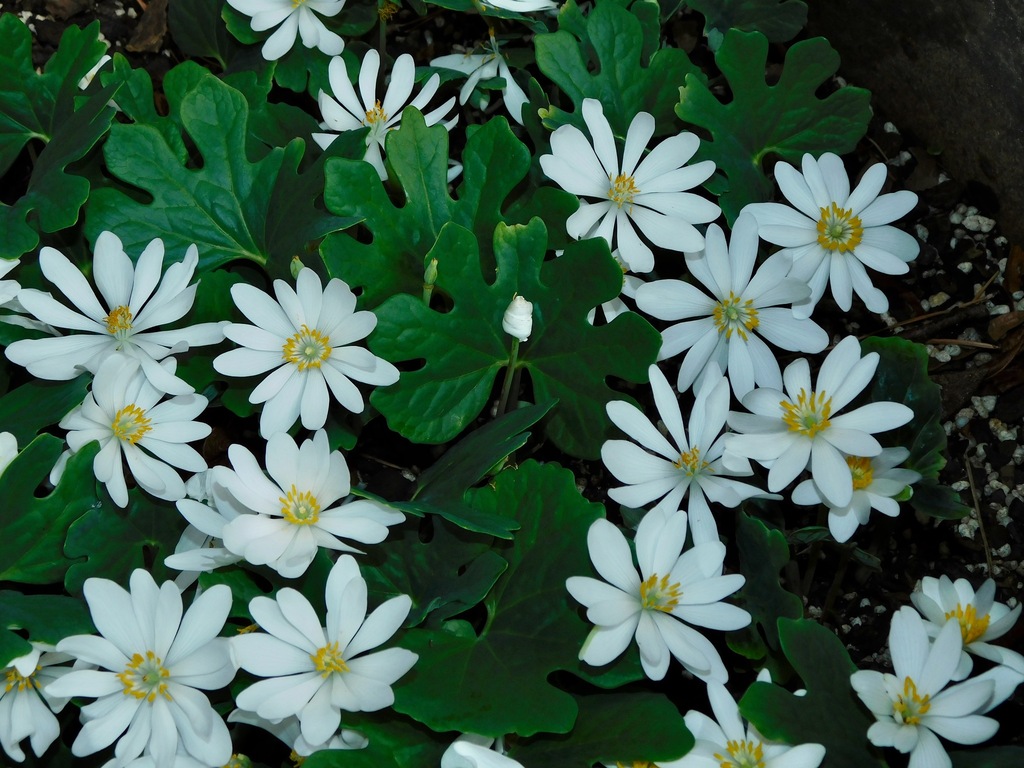
Bloodroot is a charming woodland wildflower that pops up early in the spring. It gets its name from the bright red sap found in its roots and stems. These plants are perfect for adding a touch of native beauty to a shady garden spot.
At a glance
- Care level
- Easy
- Plant type
- Perennial
- Light
- Partial shade to full shade
- Indoor light
- Medium light
- Water
- Every 3 to 7 days
- Mature size
- 12 inches
- Growth rate
- Medium
- Hardiness
- USDA 3 to 8
- Bloom time
- Early to mid spring
Care
Plant these in rich, moist soil that mimics a forest floor. Watch for wilting if the soil dries out too much during the summer. They prefer to be left undisturbed once they are settled in.
- Watering
- Keep the soil consistently moist but never soggy.
- Feeding
- A light layer of compost in early spring is plenty.
- Pruning
- Simply clear away dead foliage once the plant goes dormant in late summer.
- Repotting
- Only repot or divide if the clump becomes too crowded.
- Soil
- Humus-rich, moist, well-draining soil
- Soil pH
- 6.0 to 7.0
- Temperature
- -35 to 30°C
- Humidity
- 40 to 70%
- Drought tolerance
- Low
- Lifespan
- Perennial, long lived in ideal conditions.
- Deer and rabbits
- High
Safety
- People
- All parts of the plant are poisonous and can cause severe irritation or illness if swallowed.
- Pets
- This plant is toxic to cats and dogs if ingested.
- Children
- Keep this plant away from children as the toxic sap and plant tissues pose a serious ingestion risk.
- Contact allergens
- The red sap can cause skin irritation or contact dermatitis in sensitive individuals.
- Airborne allergens
- There are no significant reports of respiratory allergies associated with this plant.
- Edibility
- The entire plant is toxic if ingested and should never be consumed.
How to identify it
- Single white flowers with yellow centers
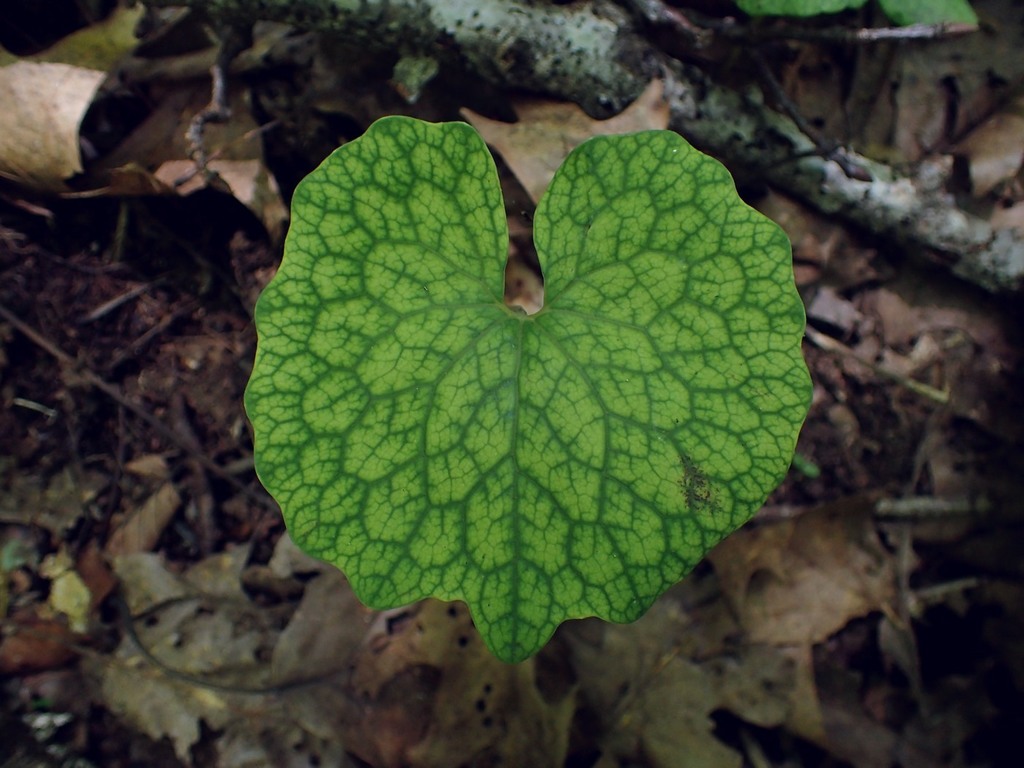
- Large, lobed, blue-green leaves
- Bright red sap in roots
- Flowers emerge before the leaves
- Height
- 0.15 to 0.3m
- Spread
- 0.2 to 0.45m
- Leaves
- blue-green, gray-green, deciduous
- Flowers
- white, 3 to 6cm
- Fruit
- green, Late spring
Problems to watch for
- Slugs and SnailsCommon
- Leaf SpotUncommon
- Root RotUncommon
- Botrytis BlightRare
Check your bloodroot from a photo
Pocket Botanist looks at a photo of your plant and tells you what's wrong and what to try first.
Scan with your phone's camera to get the app
Or go to pocketbotanist.app/get on your phone
Growing it
- Propagation
- division, seed
- When to plant
- spring, autumn
- Overwintering
- The rhizomes are hardy and do not require special protection in winter. Simply leave the area undisturbed as the plant emerges naturally in spring.
- In containers
- It is not well suited for containers due to its specific woodland soil and dormancy requirements.
Division
- 1. Wait until the plant goes dormant in summer.
- 2. Carefully dig up the rhizome mass.
- 3. Cut the rhizomes into sections with at least one bud.
- 4. Replant immediately in moist, organic soil.
Plant in groups with other spring ephemerals to create a lush woodland floor that transitions gracefully into summer dormancy.
Grows well with
- Trillium · They share similar woodland habitat requirements and bloom times.
- Wild Ginger · It makes an excellent ground cover companion for the bloodroot.
- Virginia Bluebells · They provide a beautiful color contrast in the spring woodland garden.
Similar species
- Double Bloodroot · It is a popular cultivar with showy, double white flowers.
Science
- Family
- Papaveraceae
- Genus
- Sanguinaria
- Order
- Ranunculales
- Class
- Magnoliopsida
- Native range
- Eastern North America
- Conservation
- While not endangered, wild collection of this plant is discouraged to protect local populations.
It thrives in rich, moist woodland soils where it can complete its life cycle before the forest canopy fully leafs out.
- Value to wildlife
- early season nectar source
- Pollinators
- bees
- Uses
- woodland garden, shade border, native plant garden
Through the year
Ecological indicators
- Salinity
- 1/9
- Soil reaction
- 5/9
- Light
- 3/9
- Temperature
- 4/9
- Moisture
- 6/9
- Nutrients
- 6/9
Taxonomy resolved against GBIF.
Questions people ask
- Why did my plant disappear in summer?
- It is a spring ephemeral and naturally goes dormant as temperatures rise.
- Can I grow this in full sun?
- No, it prefers the dappled shade of a woodland environment.
Where the name comes from
The genus name Sanguinaria comes from the Latin word for blood, referring to the red sap, while canadensis indicates its native range.
Good to know
- The flowers are ephemeral and often last only a few days.
- The leaves continue to grow and expand significantly after the flowers fade.
- Seeds are spread by ants, a process known as myrmecochory.
Also in
Keep your bloodroot growing
This page is a general guide. Save your plant in Pocket Botanist and you get care reminders timed for this plant, plus a care history that shows what worked.
Scan with your phone's camera to get the app
Or go to pocketbotanist.app/get on your phone
This guide was generated with AI on and checked against GBIF taxonomy. It is general information, not horticultural or veterinary advice. Read about how we build these guides.