 Pocket Botanist
Plant guide
Dog rose.
Rosa canina L.
Pronounced RO-zuh kuh-NYE-nuh
Also known as Common-briar, Dog Rose, Dog-rose, Dogbrier


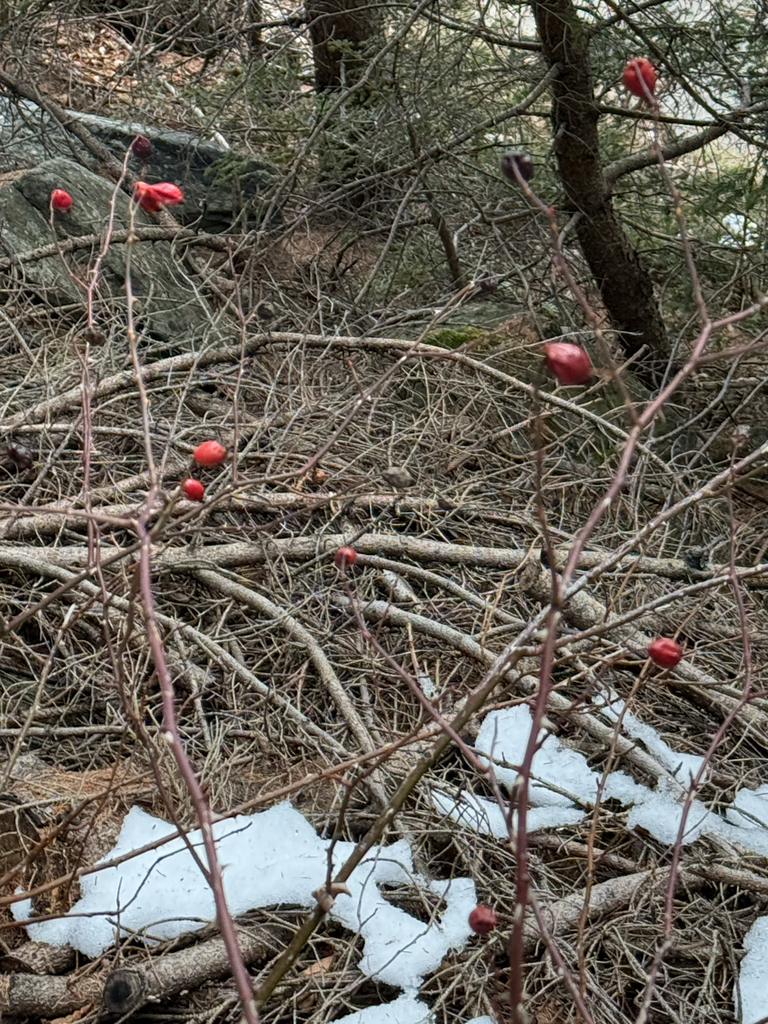
The dog rose is a charming, hardy shrub known for its arching stems and delicate flowers. It produces bright red hips in the autumn that are quite popular with local wildlife. You will love how it brings a classic, wild look to any garden space.
At a glance
- Care level
- Easy
- Plant type
- Deciduous shrub
- Light
- Full sun
- Indoor light
- Direct sun
- Water
- Every 7 to 14 days
- Mature size
- 3 meters
- Growth rate
- Fast
- Hardiness
- USDA 3 to 8
- Bloom time
- Late spring to early summer
Care
Plant this rose in a spot that gets plenty of sun to encourage the best blooms. Keep an eye out for aphids or black spot on the leaves during humid weather. Pruning helps keep the shrub from getting too unruly and promotes healthy new growth.
- Watering
- Water deeply once the top inch of soil feels dry to the touch.
- Feeding
- Apply a balanced fertilizer during the active growing season in spring and summer.
- Pruning
- Prune in late winter or early spring to remove dead wood and shape the plant.
- Repotting
- Repot only if the plant has outgrown its container or needs fresh soil nutrients.
- Soil
- Well-draining loamy soil
- Soil pH
- 6.0 to 7.0
- Temperature
- -30 to 35°C
- Humidity
- 40 to 70%
- Drought tolerance
- Moderate
- Lifespan
- Perennial, typically 20 to 50 years.
- Fragrance
- Light
- Deer and rabbits
- Moderate
Signs it needs repotting
- Roots growing out of drainage holes
- Stunted growth during the active season
Safety
- People
- The plant is not toxic, but the sharp thorns can cause significant skin injury.
- Pets
- This plant is generally considered non-toxic to cats and dogs, though the thorns can cause physical injury.
- Children
- Keep children away from the dense, thorny stems to prevent painful scratches.
- Contact allergens
- The sharp prickles can cause mechanical skin irritation or scratches.
- Airborne allergens
- Pollen may trigger mild allergic reactions in sensitive individuals during the flowering season.
- Edibility
- Remove the irritating hairs from inside the rose hips before consuming them.
How to identify it
- Arching thorny stems
- Five petaled pale pink flowers
- Oval serrated green leaves
- Bright red oval rose hips
- Height
- 1 to 3m
- Spread
- 1 to 2.5m
- Leaves
- green, deciduous
- Flowers
- white, pink, 4 to 6cm
- Fruit
- red, Autumn
Problems to watch for
- AphidsCommon
- Black SpotCommon
- Powdery MildewCommon
- Rose RustUncommon
- SawflyUncommon
- Rose Rosette DiseaseRare
By symptom
Check your dog rose from a photo
Pocket Botanist looks at a photo of your plant and tells you what's wrong and what to try first.
Growing it
- Propagation
- seed, cuttings, layering
- When to plant
- spring, autumn
- Overwintering
- It is fully hardy and requires no special protection. Simply clear away fallen leaves to reduce fungal issues in spring.
- In containers
- It is generally too large and vigorous for containers unless you have a very large tub.
Seed
- 1. Collect ripe hips in autumn.
- 2. Clean seeds and sow immediately in pots.
- 3. Place in a cold frame to experience winter chilling.
Planting aromatic herbs nearby can help mask the scent of the rose from certain pests.
Grows well with
- Lavender — It provides a contrasting texture and attracts beneficial pollinators.
- Catmint — The sprawling habit of catmint covers the base of the rose, keeping roots cool.
Similar species
- Sweet briar — It has similar growth habits but features apple scented foliage.
Science
- Family
- Rosaceae
- Genus
- Rosa
- Order
- Rosales
- Class
- Magnoliopsida
- Native range
- Europe, northwest Africa, and western Asia.
- Conservation
- This species is widespread and not of conservation concern.
It thrives in hedgerows and scrubland, utilizing its thorns to climb and protect itself from herbivores.
- Value to wildlife
- nectar source, provides nesting sites, winter food for birds
- Pollinators
- bees, butterflies, beetles
- Uses
- hedgerows, wildlife gardens, culinary syrups, medicinal teas
Through the year
Ecological indicators
- Salinity
- 2/9
- Soil reaction
- 6/9
- Light
- 7/9
- Nutrients
- 5/9
- Temperature
- 5/9
- Moisture
- 5/9
Taxonomy resolved against GBIF.
Questions people ask
- Can I eat the rose hips raw?
- You should avoid eating them raw because the tiny, hairy seeds inside can irritate your throat.
- Does it need pruning?
- It benefits from light pruning in late winter to remove dead wood and maintain shape.
Where the name comes from
The scientific name Rosa canina comes from the Latin for rose and dog, while the common name dog rose likely stems from its historical use as a remedy for rabies.
Good to know
- The hips remain on the bush well into winter, providing a vital food source for birds.
- It is often used as a rootstock for grafting cultivated roses.
- The name dog rose likely refers to its historical use in treating dog bites.
Keep your dog rose growing
This page is a general guide. Save your plant in Pocket Botanist and you get care reminders timed for this plant, plus a care history that shows what worked.
This guide was generated with AI and checked against GBIF taxonomy. It is general information, not horticultural or veterinary advice. Read about how we build these guides.